
中枢神经系统的液体和屏障:历史观点。
Fluids and barriers of the CNS: a historical viewpoint.
机构信息
Department of Pharmacology, University of Melbourne, Australia.
出版信息
Fluids Barriers CNS. 2011 Jan 18;8(1):2. doi: 10.1186/2045-8118-8-2.
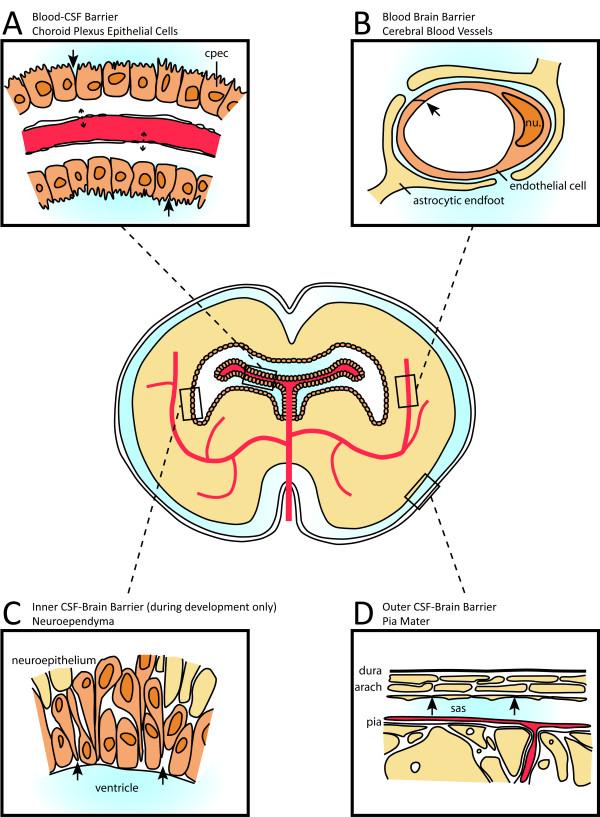
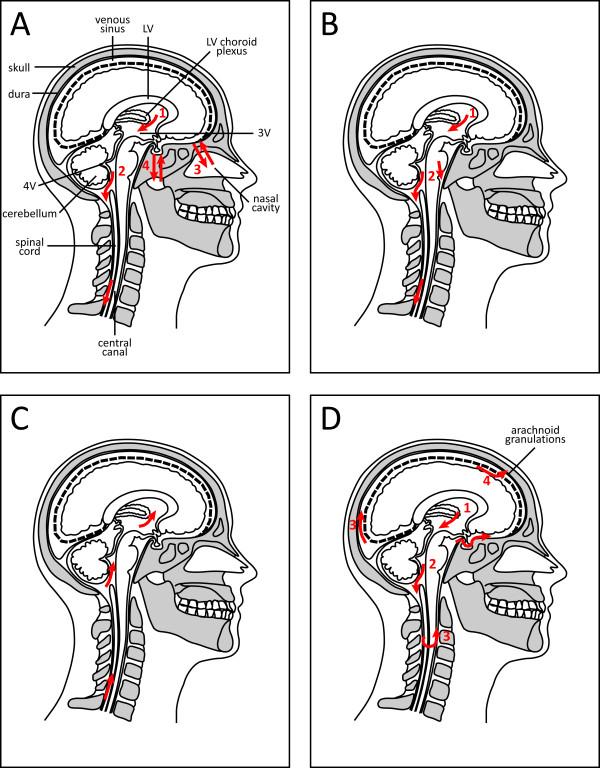
Tracing the exact origins of modern science can be a difficult but rewarding pursuit. It is possible for the astute reader to follow the background of any subject through the many important surviving texts from the classical and ancient world. While empirical investigations have been described by many since the time of Aristotle and scientific methods have been employed since the Middle Ages, the beginnings of modern science are generally accepted to have originated during the 'scientific revolution' of the 16th and 17th centuries in Europe. The scientific method is so fundamental to modern science that some philosophers consider earlier investigations as 'pre-science'. Notwithstanding this, the insight that can be gained from the study of the beginnings of a subject can prove important in the understanding of work more recently completed. As this journal undergoes an expansion in focus and nomenclature from cerebrospinal fluid (CSF) into all barriers of the central nervous system (CNS), this review traces the history of both the blood-CSF and blood-brain barriers from as early as it was possible to find references, to the time when modern concepts were established at the beginning of the 20th century.
追踪现代科学的确切起源可能是一项困难但有益的追求。对于眼光敏锐的读者来说,通过古典和古代世界中许多重要的现存文本,就可以追踪任何学科的背景。虽然自亚里士多德时代以来就已经有人描述了经验调查,而且从中世纪以来就已经采用了科学方法,但现代科学的起源通常被认为始于 16 世纪和 17 世纪欧洲的“科学革命”。科学方法对现代科学如此重要,以至于一些哲学家认为早期的研究是“前科学”。尽管如此,从一个学科的起源研究中获得的洞察力对于理解最近完成的工作可能是重要的。随着本刊在重点和命名上从脑脊液(CSF)扩展到中枢神经系统(CNS)的所有屏障,本综述追溯了血脑屏障和血脑脊液屏障的历史,尽可能早地追溯到 20 世纪初现代概念建立的时候。



 Zotero 插件