
绘制调控 93 个乳腺癌相关 miRNA 基因的调控序列图谱,可鉴定出 Hsa-mir-200b 簇的两个功能性启动子,其甲基化与晚期乳腺癌的转移或激素受体状态相关。
Mapping the regulatory sequences controlling 93 breast cancer-associated miRNA genes leads to the identification of two functional promoters of the Hsa-mir-200b cluster, methylation of which is associated with metastasis or hormone receptor status in advanced breast cancer.
机构信息
School of Chemistry and Molecular Biosciences, The University of Queensland, St Lucia, Queensland, Australia.
出版信息
Oncogene. 2012 Sep 20;31(38):4182-95. doi: 10.1038/onc.2011.584. Epub 2012 Jan 9.
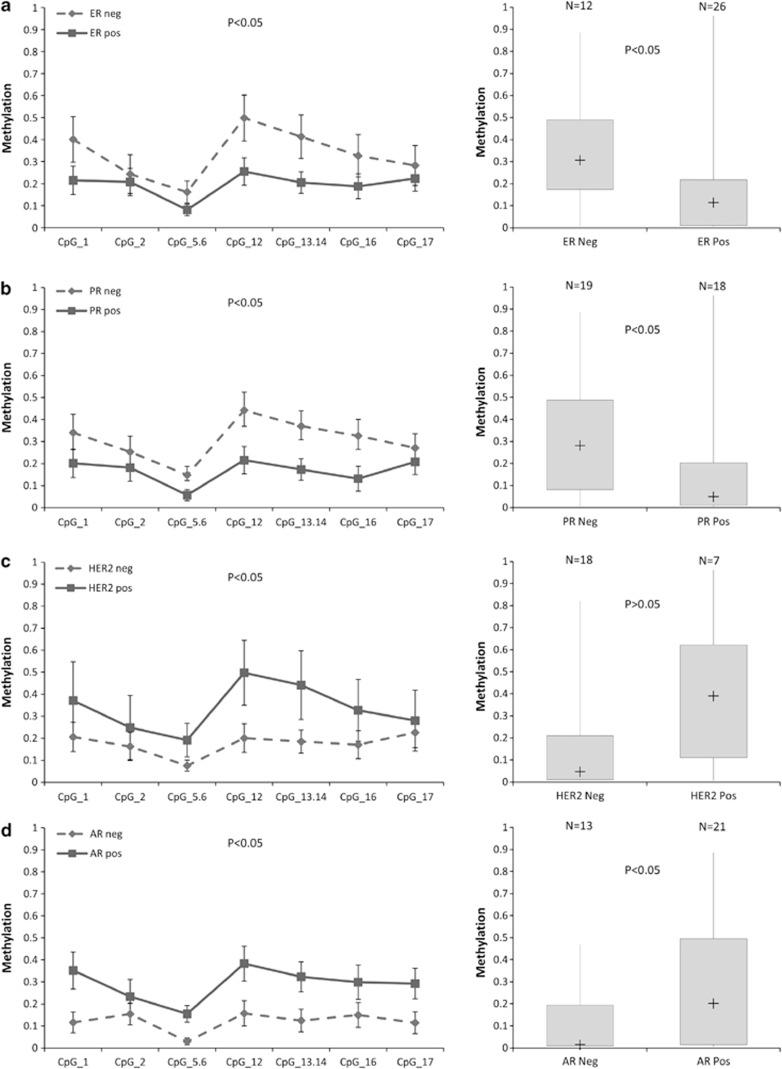
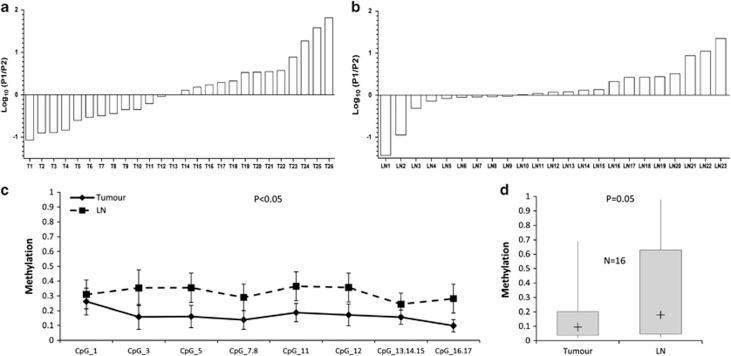
MicroRNAs (miRNAs) are small non-coding RNAs of ∼20 nt in length that are capable of modulating gene expression post-transcriptionally. Although miRNAs have been implicated in cancer, including breast cancer, the regulation of miRNA transcription and the role of defects in this process in cancer is not well understood. In this study we have mapped the promoters of 93 breast cancer-associated miRNAs, and then looked for associations between DNA methylation of 15 of these promoters and miRNA expression in breast cancer cells. The miRNA promoters with clearest association between DNA methylation and expression included a previously described and a novel promoter of the Hsa-mir-200b cluster. The novel promoter of the Hsa-mir-200b cluster, denoted P2, is located ∼2 kb upstream of the 5' stemloop and maps within a CpG island. P2 has comparable promoter activity to the previously reported promoter (P1), and is able to drive the expression of miR-200b in its endogenous genomic context. DNA methylation of both P1 and P2 was inversely associated with miR-200b expression in eight out of nine breast cancer cell lines, and in vitro methylation of both promoters repressed their activity in reporter assays. In clinical samples, P1 and P2 were differentially methylated with methylation inversely associated with miR-200b expression. P1 was hypermethylated in metastatic lymph nodes compared with matched primary breast tumours whereas P2 hypermethylation was associated with loss of either oestrogen receptor or progesterone receptor. Hypomethylation of P2 was associated with gain of HER2 and androgen receptor expression. These data suggest an association between miR-200b regulation and breast cancer subtype and a potential use of DNA methylation of miRNA promoters as a component of a suite of breast cancer biomarkers.
微小 RNA(miRNAs)是长度约为 20 个核苷酸的小非编码 RNA,能够在后转录水平调节基因表达。虽然 miRNAs 已被牵涉到癌症中,包括乳腺癌,但 miRNA 转录的调节以及该过程缺陷在癌症中的作用还不太清楚。在这项研究中,我们绘制了 93 个乳腺癌相关 miRNAs 的启动子图谱,然后寻找其中 15 个启动子的 DNA 甲基化与乳腺癌细胞中 miRNA 表达之间的关联。DNA 甲基化与表达之间关联最明显的 miRNA 启动子包括先前描述的和 Hsa-mir-200b 簇的新启动子。Hsa-mir-200b 簇的新启动子 P2 位于 5'茎环上游约 2kb 处,位于 CpG 岛内。P2 具有与先前报道的启动子(P1)相当的启动子活性,并且能够在其内源基因组环境中驱动 miR-200b 的表达。在八种乳腺癌细胞系中的八种中,P1 和 P2 的 DNA 甲基化与 miR-200b 表达呈负相关,并且在报告基因检测中体外甲基化这两个启动子均抑制了它们的活性。在临床样本中,P1 和 P2 甲基化程度不同,与 miR-200b 表达呈负相关。与匹配的原发性乳腺癌肿瘤相比,P1 在转移性淋巴结中呈高甲基化,而 P2 高甲基化与雌激素受体或孕激素受体的丢失相关。P2 的低甲基化与 HER2 和雄激素受体表达的获得相关。这些数据表明 miR-200b 调节与乳腺癌亚型之间存在关联,并且 miRNA 启动子的 DNA 甲基化可能作为乳腺癌生物标志物的一个组成部分得到应用。


 Zotero 插件