
独立成分分析确实为脑 fMRI 选择了最大的独立性。
Independent component analysis for brain FMRI does indeed select for maximal independence.
机构信息
Medical Image Analysis Lab, The Mind Research Network, Albuquerque, New Mexico, USA.
出版信息
PLoS One. 2013 Aug 29;8(8):e73309. doi: 10.1371/journal.pone.0073309. eCollection 2013.
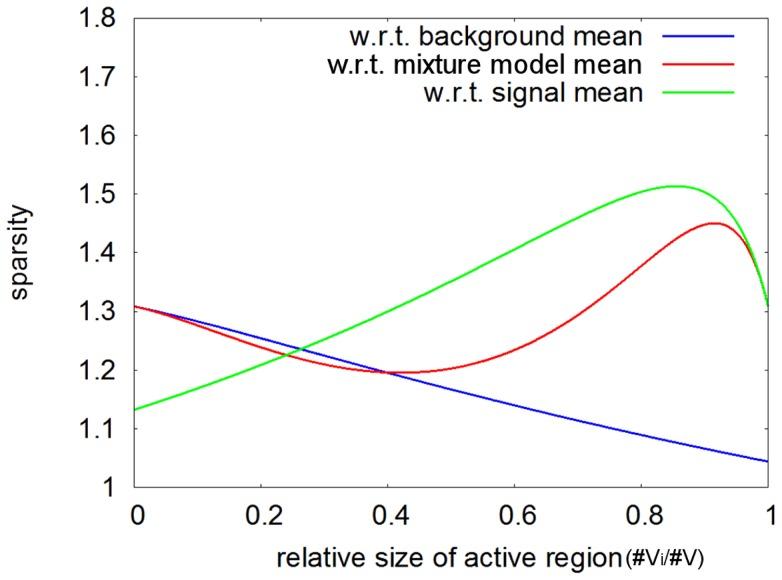
A recent paper by Daubechies et al. claims that two independent component analysis (ICA) algorithms, Infomax and FastICA, which are widely used for functional magnetic resonance imaging (fMRI) analysis, select for sparsity rather than independence. The argument was supported by a series of experiments on synthetic data. We show that these experiments fall short of proving this claim and that the ICA algorithms are indeed doing what they are designed to do: identify maximally independent sources.
最近,Daubechies 等人发表了一篇论文,声称两种广泛应用于功能磁共振成像 (fMRI) 分析的独立成分分析 (ICA) 算法——Infomax 和 FastICA——选择的是稀疏性而不是独立性。该论点得到了一系列针对合成数据的实验的支持。我们表明,这些实验未能证明这一说法,并且 ICA 算法确实在做它们被设计要做的事情:识别最大独立源。


 Zotero 插件