
实验感染后血液、积液及各种组织中猫传染性腹膜炎病毒的水平以及淋巴细胞减少在疾病转归中的作用
Levels of feline infectious peritonitis virus in blood, effusions, and various tissues and the role of lymphopenia in disease outcome following experimental infection.
作者信息
Pedersen Niels C, Eckstrand Chrissy, Liu Hongwei, Leutenegger Christian, Murphy Brian
机构信息
Center for Companion Animal Health, School of Veterinary Medicine, University of California, Davis, CA, USA.
Department Pathology, Microbiology and Immunology, School of Veterinary Medicine, University of California, Davis, CA, USA.
出版信息
Vet Microbiol. 2015 Feb 25;175(2-4):157-66. doi: 10.1016/j.vetmic.2014.10.025. Epub 2014 Nov 1.
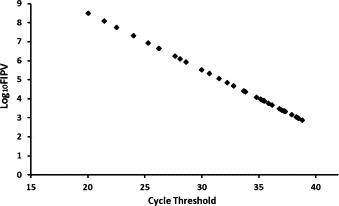
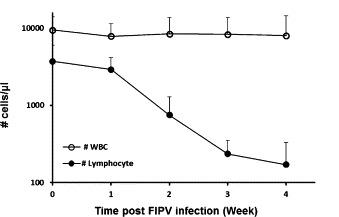
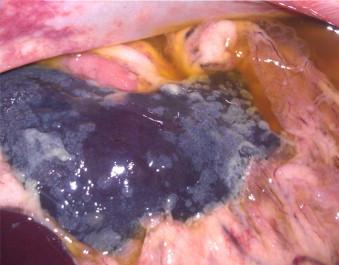
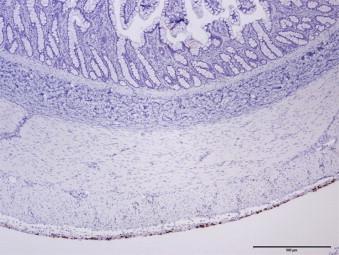
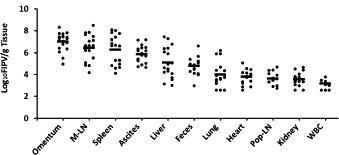
Twenty specific pathogen free cats were experimentally infected with a virulent cat-passaged type I field strain of FIPV. Eighteen cats succumbed within 2-4 weeks to effusive abdominal FIP, one survived for 6 weeks, and one seroconverted without outward signs of disease. A profound drop in the absolute count of blood lymphocytes occurred around 2 weeks post-infection (p.i.) in cats with rapid disease, while the decrease was delayed in the one cat that survived for 6 weeks. The absolute lymphocyte count of the surviving cat remained within normal range. Serum antibodies as measured by indirect immunofluorescence appeared after 2 weeks p.i. and correlated with the onset of disease signs. Viral genomic RNA was either not detectable by reverse transcription quantitative real-time PCR (RT-qPCR) or detectable only at very low levels in terminal tissues not involved directly in the infection, including hepatic and renal parenchyma, cardiac muscle, lung or popliteal lymph node. High tissue virus loads were measured in severely affected tissues such as the omentum, mesenteric lymph nodes and spleen. High levels of viral genomic RNA were also detected in whole ascitic fluid, with the cellular fraction containing 10-1000 times more viral RNA than the supernatant. Replicating virus was strongly associated with macrophages by immunohistochemistry. Virus was usually detected at relatively low levels in feces and there was no evidence of enterocyte infection. Viral genomic RNA was not detected at the level of test sensitivity in whole blood, plasma, or the white cell fraction in terminal samples from the 19 cats that succumbed or in the single survivor. These studies reconfirmed the effect of lymphopenia on disease outcome. FIPV genomic RNA was also found to be highly macrophage associated within diseased tissues and effusions as determined by RT-qPCR and immunohistochemistry but was not present in blood.
20只无特定病原体的猫被实验性感染了一种强毒的猫传代I型猫传染性腹膜炎病毒(FIPV)野毒株。18只猫在2 - 4周内死于渗出性腹部FIP,1只存活了6周,1只血清转化但无疾病外在体征。快速发病的猫在感染后约2周外周血淋巴细胞绝对计数显著下降,而存活6周的那只猫淋巴细胞计数下降延迟。存活猫的绝对淋巴细胞计数保持在正常范围内。通过间接免疫荧光法检测,血清抗体在感染后2周出现,并与疾病体征的出现相关。通过逆转录定量实时PCR(RT-qPCR),在未直接参与感染的终末组织(包括肝实质、肾实质、心肌、肺或腘窝淋巴结)中,病毒基因组RNA要么检测不到,要么仅能在极低水平检测到。在严重受影响的组织如大网膜、肠系膜淋巴结和脾脏中检测到高组织病毒载量。在整个腹水液中也检测到高水平的病毒基因组RNA,细胞部分所含病毒RNA比上清液多10 - 1000倍。通过免疫组织化学,复制病毒与巨噬细胞密切相关。在粪便中通常检测到相对较低水平的病毒,且没有肠上皮细胞感染的证据。在19只死亡猫或唯一幸存者的终末样本的全血、血浆或白细胞部分中,在检测灵敏度水平未检测到病毒基因组RNA。这些研究再次证实了淋巴细胞减少对疾病结局的影响。通过RT-qPCR和免疫组织化学确定,FIPV基因组RNA在患病组织和渗出液中也与巨噬细胞高度相关,但在血液中不存在。








 Zotero 插件