
在患有神经病变的大鼠中,曲马多对μ-阿片受体和去甲肾上腺素再摄取的抑制作用对中央杏仁核中疼痛反应神经元调节的影响。
The influence of μ-opioid and noradrenaline reuptake inhibition in the modulation of pain responsive neurones in the central amygdala by tapentadol in rats with neuropathy.
作者信息
Gonçalves Leonor, Friend Lauren V, Dickenson Anthony H
机构信息
Neuroscience Physiology & Pharmacology, Medical Sciences Building, University College London, Gower St, London WC1E 6BT, UK.
出版信息
Eur J Pharmacol. 2015 Feb 15;749:151-60. doi: 10.1016/j.ejphar.2014.11.032. Epub 2015 Jan 6.
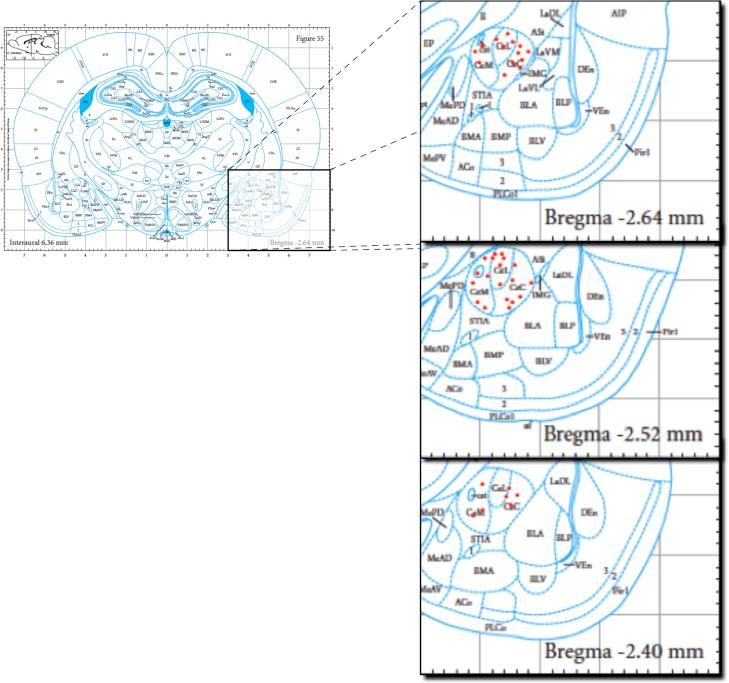
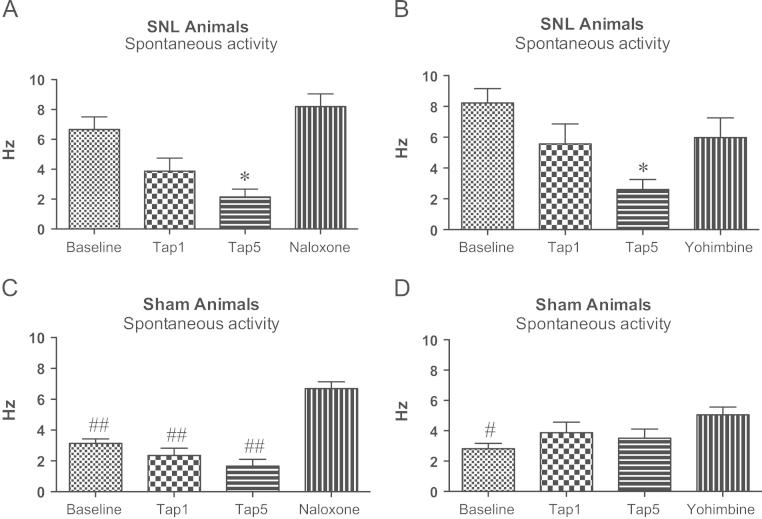
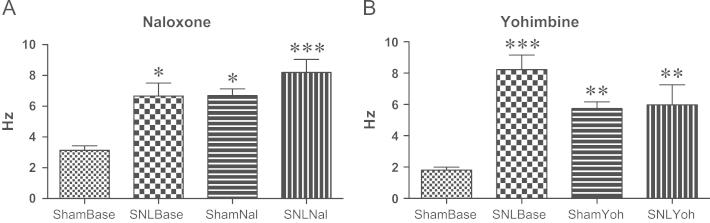
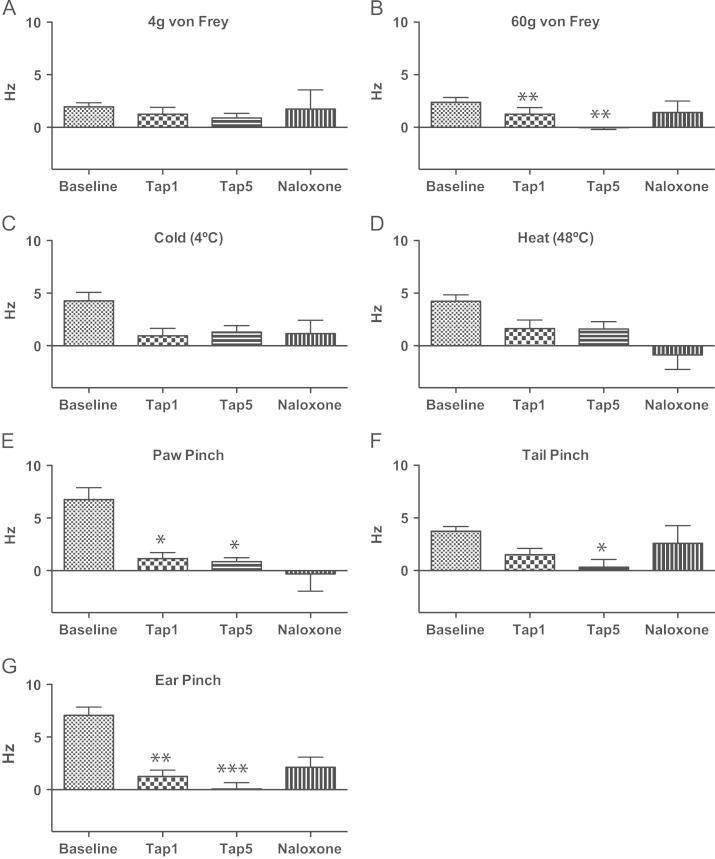
Treatments for neuropathic pain are either not fully effective or have problematic side effects. Combinations of drugs are often used. Tapentadol is a newer molecule that produces analgesia in various pain models through two inhibitory mechanisms, namely central μ-opioid receptor (MOR) agonism and noradrenaline reuptake inhibition. These two components interact synergistically, resulting in levels of analgesia similar to opioid analgesics such as oxycodone and morphine, but with more tolerable side effects. The right central nucleus of the amygdala (CeA) is critical for the lateral spinal ascending pain pathway, regulates descending pain pathways and is key in the emotional-affective components of pain. Few studies have investigated the pharmacology of limbic brain areas in pain models. Here we determined the actions of systemic tapentadol on right CeA neurones of animals with neuropathy and which component of tapentadol contributes to its effect. Neuronal responses to multimodal peripheral stimulation of animals with spinal nerve ligation or sham surgery were recorded before and after two doses of tapentadol. After the higher dose of tapentadol either naloxone or yohimbine were administered. Systemic tapentadol resulted in dose-dependent decrease in right CeA neuronal activity only in neuropathy. Both naloxone and yohimbine reversed this effect to an extent that was modality selective. The interactions of the components of tapentadol are not limited to the synergy between the MOR and α2-adrenoceptors seen at spinal levels, but are seen at this supraspinal site where suppression of responses may relate to the ability of the drug to alter affective components of pain.
神经性疼痛的治疗方法要么效果不完全理想,要么存在不良副作用。药物联合使用的情况很常见。曲马多是一种较新的药物分子,它通过两种抑制机制在各种疼痛模型中产生镇痛作用,即中枢μ-阿片受体(MOR)激动作用和去甲肾上腺素再摄取抑制作用。这两种成分协同作用,产生的镇痛效果与羟考酮和吗啡等阿片类镇痛药相似,但副作用更易耐受。杏仁核右侧中央核(CeA)对脊髓外侧上行疼痛通路至关重要,调节下行疼痛通路,并且在疼痛的情感-情绪成分中起关键作用。很少有研究在疼痛模型中探究边缘脑区的药理学。在此,我们确定了全身应用曲马多对患有神经病变动物右侧CeA神经元的作用,以及曲马多的哪种成分促成了其效果。在给予两剂曲马多之前和之后,记录了脊髓神经结扎或假手术动物对多模式外周刺激的神经元反应。在给予较高剂量的曲马多后,再给予纳洛酮或育亨宾。全身应用曲马多仅在神经病变动物中导致右侧CeA神经元活动呈剂量依赖性降低。纳洛酮和育亨宾都在一定程度上逆转了这种作用,且这种逆转具有模式选择性。曲马多成分之间 的相互作用不仅限于在脊髓水平上MOR和α2-肾上腺素能受体之间的协同作用,在这个脊髓上部位也存在这种相互作用,在该部位反应的抑制可能与药物改变疼痛情感成分的能力有关。



 Zotero 插件