
肥胖女性线粒体效率和过氧化氢排放的缺陷通过有氧运动训练恢复到瘦体型表型。
Defects in mitochondrial efficiency and H2O2 emissions in obese women are restored to a lean phenotype with aerobic exercise training.
作者信息
Konopka Adam R, Asante Albert, Lanza Ian R, Robinson Matthew M, Johnson Matthew L, Dalla Man Chiara, Cobelli Claudio, Amols Mark H, Irving Brian A, Nair K S
机构信息
Division of Endocrinology, Diabetes, Metabolism, and Nutrition Research, Mayo Clinic College of Medicine, Rochester, MN.
Department of Information Engineering, University of Padova, Padova, Italy.
出版信息
Diabetes. 2015 Jun;64(6):2104-15. doi: 10.2337/db14-1701. Epub 2015 Jan 20.
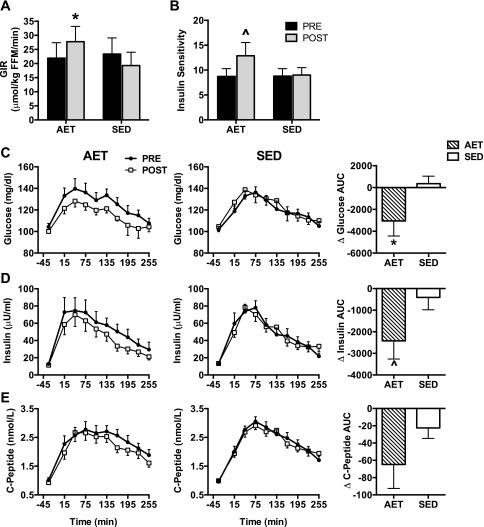
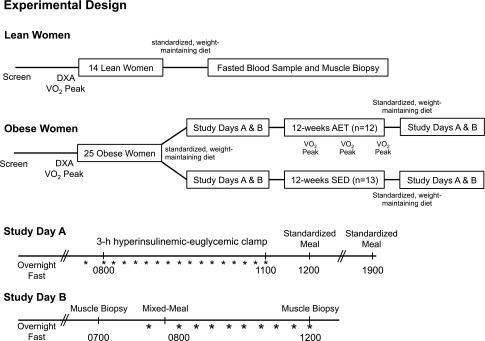
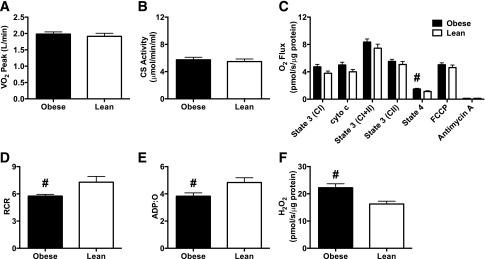
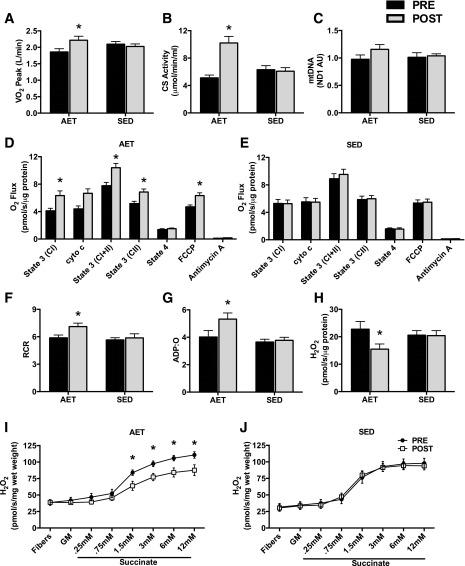
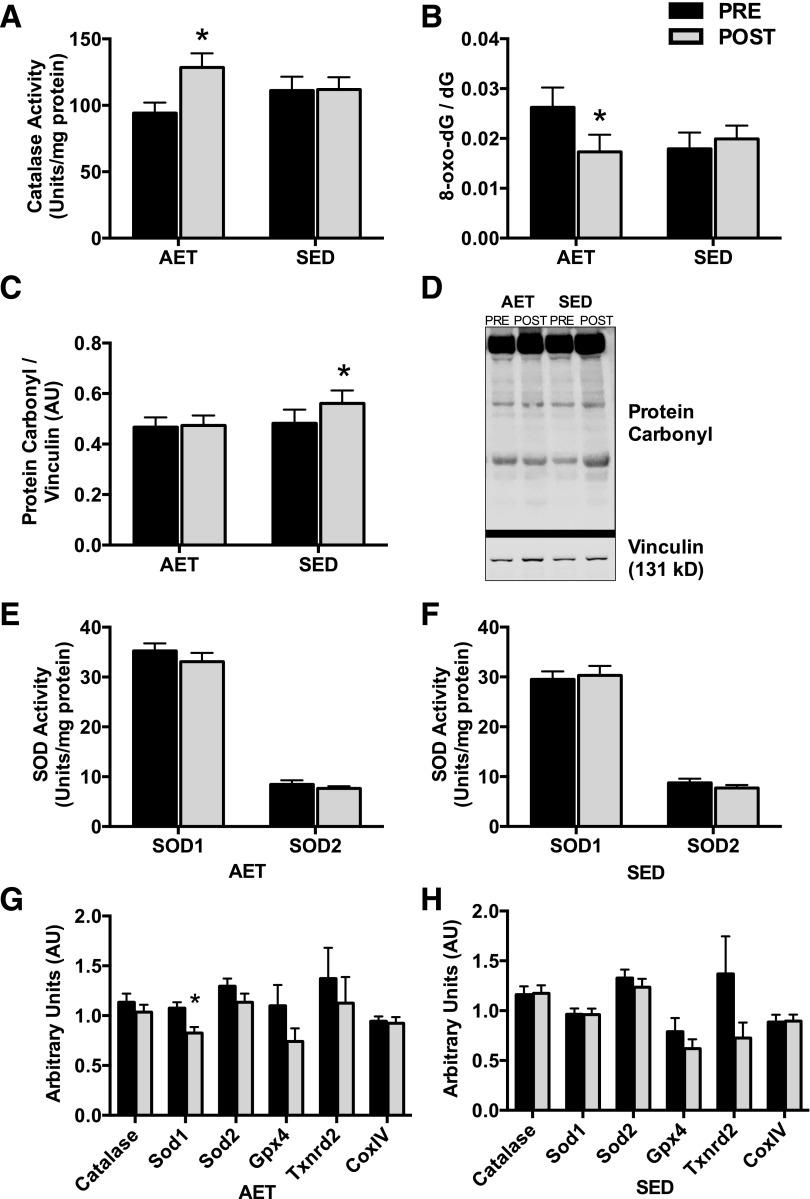
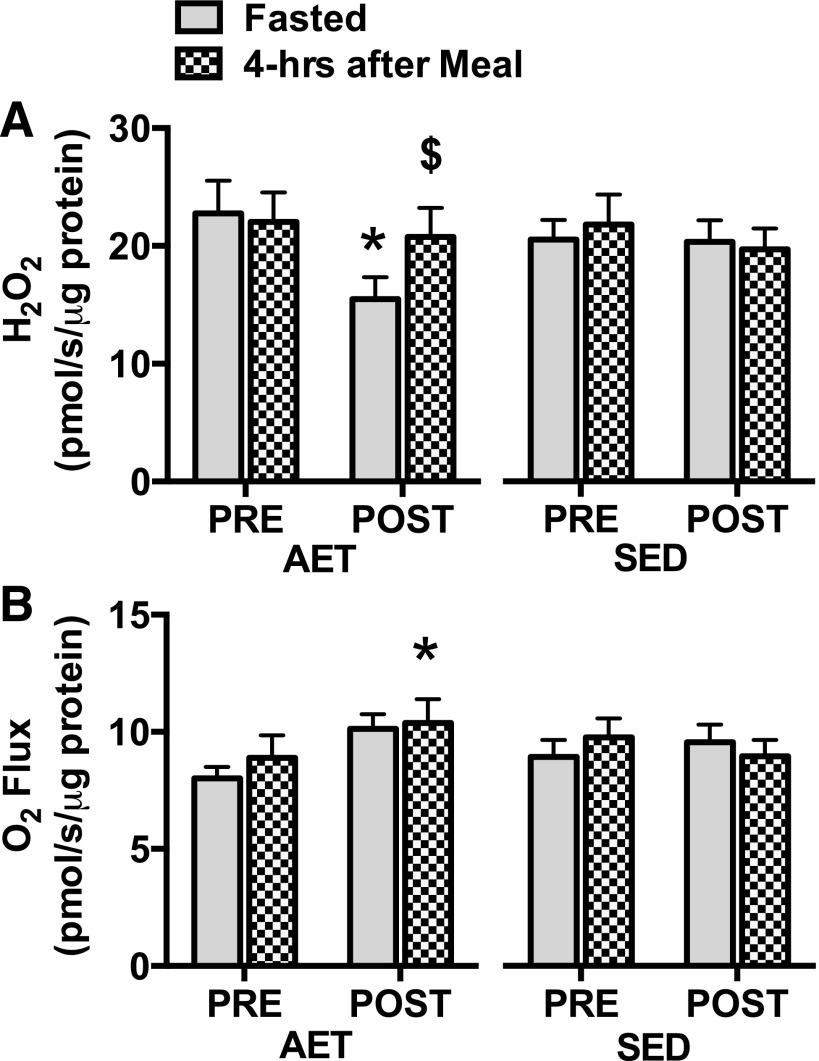
The notion that mitochondria contribute to obesity-induced insulin resistance is highly debated. Therefore, we determined whether obese (BMI 33 kg/m(2)), insulin-resistant women with polycystic ovary syndrome had aberrant skeletal muscle mitochondrial physiology compared with lean, insulin-sensitive women (BMI 23 kg/m(2)). Maximal whole-body and mitochondrial oxygen consumption were not different between obese and lean women. However, obese women exhibited lower mitochondrial coupling and phosphorylation efficiency and elevated mitochondrial H2O2 (mtH2O2) emissions compared with lean women. We further evaluated the impact of 12 weeks of aerobic exercise on obesity-related impairments in insulin sensitivity and mitochondrial energetics in the fasted state and after a high-fat mixed meal. Exercise training reversed obesity-related mitochondrial derangements as evidenced by enhanced mitochondrial bioenergetics efficiency and decreased mtH2O2 production. A concomitant increase in catalase antioxidant activity and decreased DNA oxidative damage indicate improved cellular redox status and a potential mechanism contributing to improved insulin sensitivity. mtH2O2 emissions were refractory to a high-fat meal at baseline, but after exercise, mtH2O2 emissions increased after the meal, which resembles previous findings in lean individuals. We demonstrate that obese women exhibit impaired mitochondrial bioenergetics in the form of decreased efficiency and impaired mtH2O2 emissions, while exercise effectively restores mitochondrial physiology toward that of lean, insulin-sensitive individuals.
线粒体是否导致肥胖诱导的胰岛素抵抗这一观点备受争议。因此,我们比较了肥胖(BMI 33 kg/m²)且患有多囊卵巢综合征的胰岛素抵抗女性与体型瘦且胰岛素敏感的女性(BMI 23 kg/m²),以确定前者的骨骼肌线粒体生理功能是否异常。肥胖女性和体型瘦的女性在最大全身耗氧量和线粒体耗氧量方面并无差异。然而,与体型瘦的女性相比,肥胖女性的线粒体偶联和磷酸化效率较低,线粒体过氧化氢(mtH2O2)排放量较高。我们进一步评估了12周有氧运动对空腹状态和高脂混合餐后肥胖相关的胰岛素敏感性损害和线粒体能量代谢的影响。运动训练逆转了肥胖相关的线粒体紊乱,表现为线粒体生物能量效率提高和mtH2O2产生减少。过氧化氢酶抗氧化活性的同时增加和DNA氧化损伤的减少表明细胞氧化还原状态改善,这是胰岛素敏感性提高的潜在机制。基线时,mtH2O2排放量对高脂餐不敏感,但运动后,餐后mtH2O2排放量增加,这与之前在体型瘦的个体中的发现相似。我们证明,肥胖女性表现出线粒体生物能量学受损,表现为效率降低和mtH2O2排放受损,而运动有效地将线粒体生理功能恢复到体型瘦且胰岛素敏感个体的水平。
 Zotero 插件