
先天免疫和暴露间隔决定了二次流感病毒感染的动态变化,并解释了观察到的病毒层级关系。
Innate Immunity and the Inter-exposure Interval Determine the Dynamics of Secondary Influenza Virus Infection and Explain Observed Viral Hierarchies.
作者信息
Cao Pengxing, Yan Ada W C, Heffernan Jane M, Petrie Stephen, Moss Robert G, Carolan Louise A, Guarnaccia Teagan A, Kelso Anne, Barr Ian G, McVernon Jodie, Laurie Karen L, McCaw James M
机构信息
Centre for Epidemiology and Biostatistics, Melbourne School of Population and Global Health, The University of Melbourne, Melbourne, Australia.
Centre for Epidemiology and Biostatistics, Melbourne School of Population and Global Health, The University of Melbourne, Melbourne, Australia; Modelling Infection and Immunity Lab, Centre for Disease Modelling, York Institute for Health Research, York University, Toronto, Ontario, Canada; Mathematics and Statistics, York University, Toronto, Ontario, Canada.
出版信息
PLoS Comput Biol. 2015 Aug 18;11(8):e1004334. doi: 10.1371/journal.pcbi.1004334. eCollection 2015 Aug.
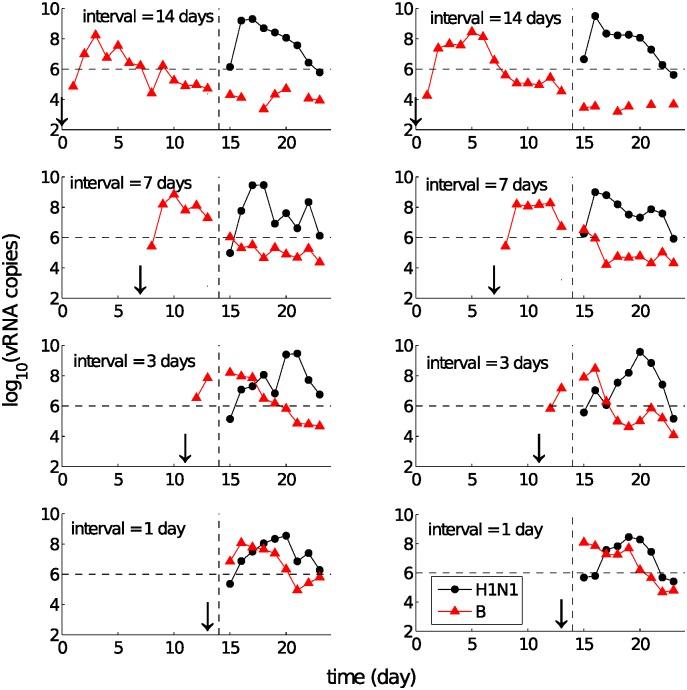
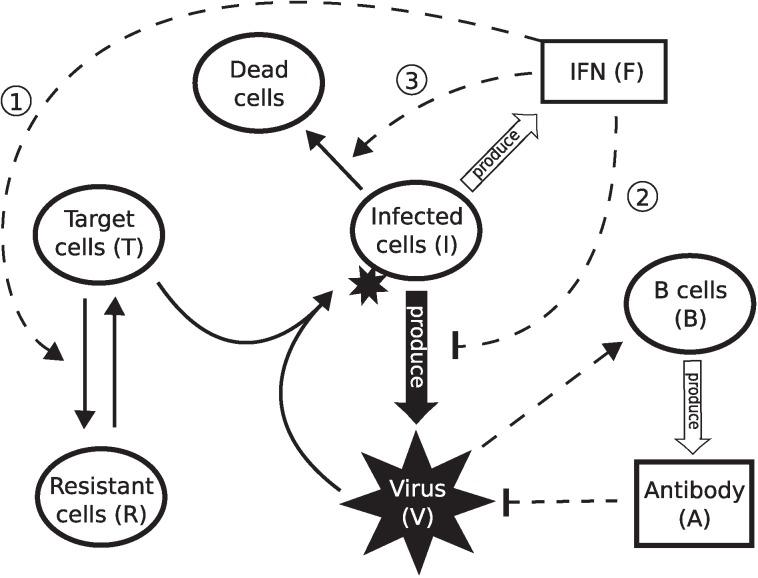
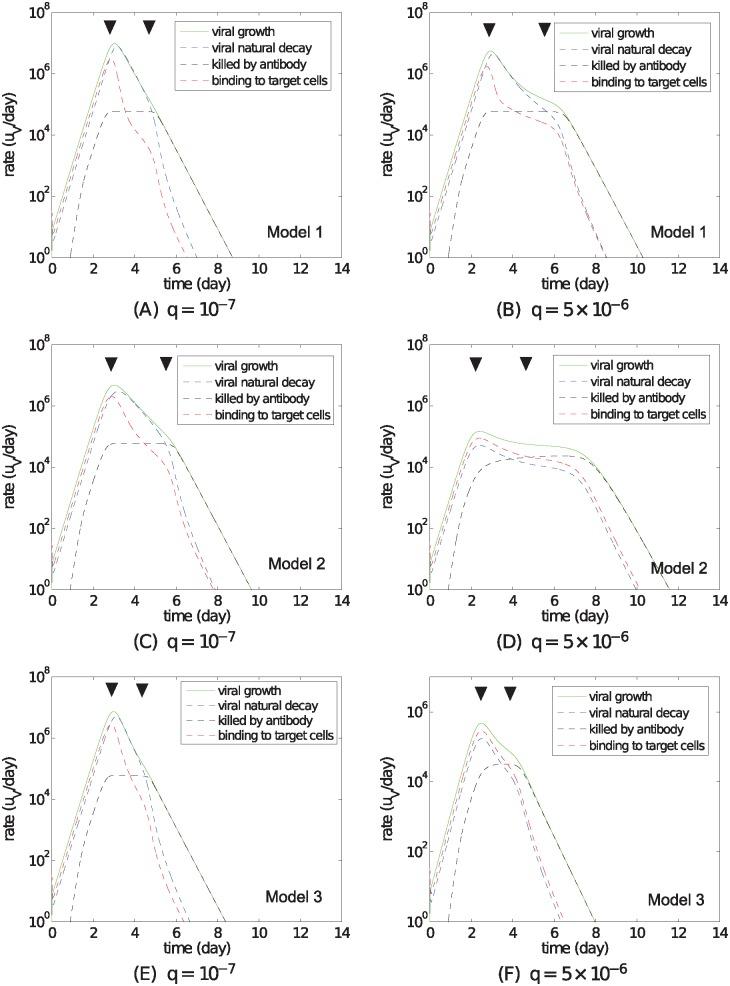
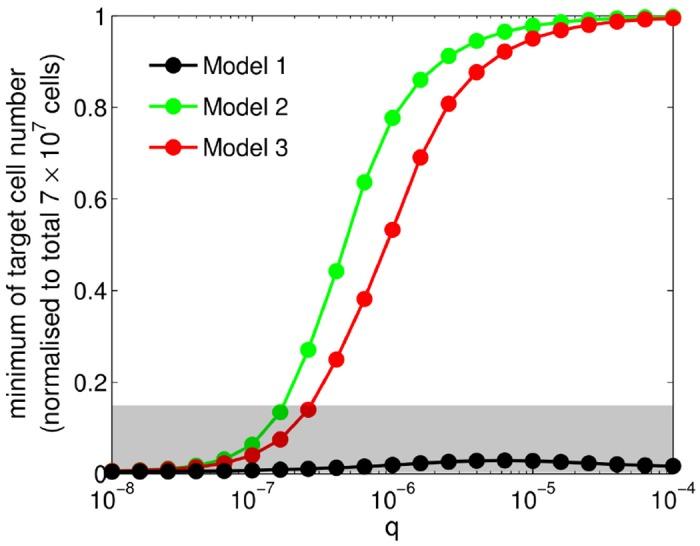
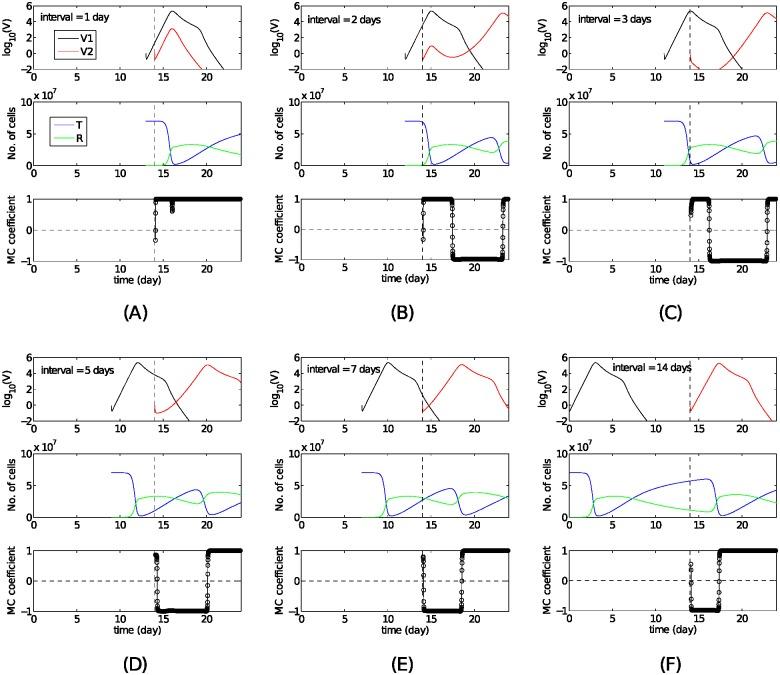
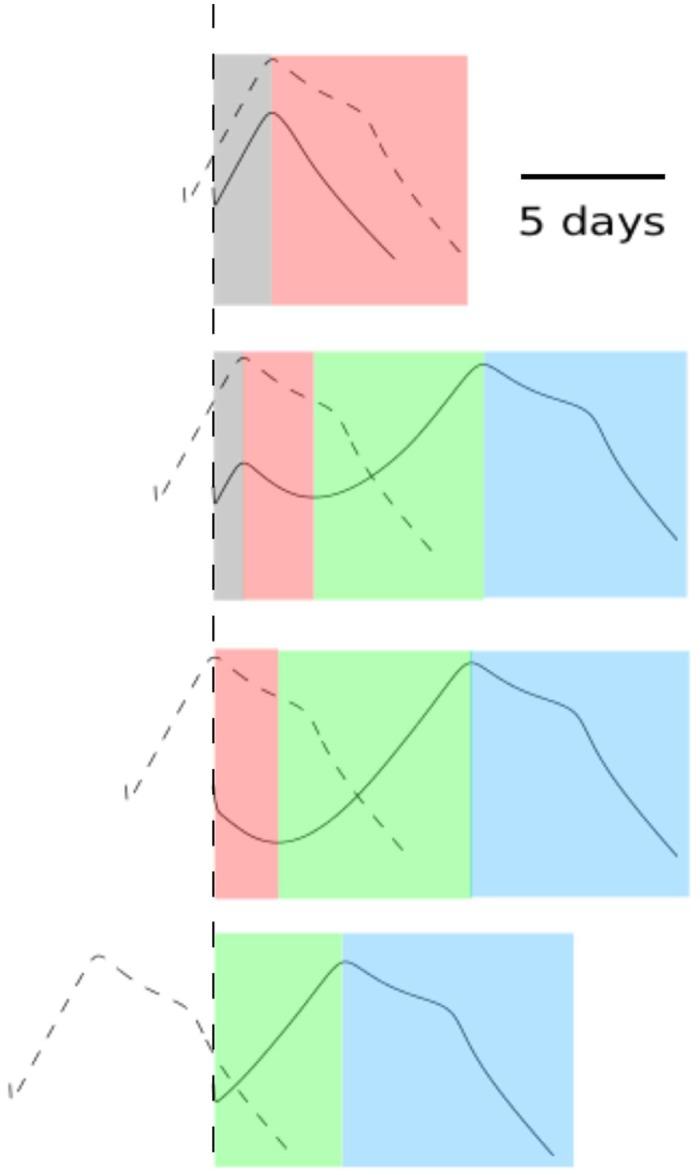
Influenza is an infectious disease that primarily attacks the respiratory system. Innate immunity provides both a very early defense to influenza virus invasion and an effective control of viral growth. Previous modelling studies of virus-innate immune response interactions have focused on infection with a single virus and, while improving our understanding of viral and immune dynamics, have been unable to effectively evaluate the relative feasibility of different hypothesised mechanisms of antiviral immunity. In recent experiments, we have applied consecutive exposures to different virus strains in a ferret model, and demonstrated that viruses differed in their ability to induce a state of temporary immunity or viral interference capable of modifying the infection kinetics of the subsequent exposure. These results imply that virus-induced early immune responses may be responsible for the observed viral hierarchy. Here we introduce and analyse a family of within-host models of re-infection viral kinetics which allow for different viruses to stimulate the innate immune response to different degrees. The proposed models differ in their hypothesised mechanisms of action of the non-specific innate immune response. We compare these alternative models in terms of their abilities to reproduce the re-exposure data. Our results show that 1) a model with viral control mediated solely by a virus-resistant state, as commonly considered in the literature, is not able to reproduce the observed viral hierarchy; 2) the synchronised and desynchronised behaviour of consecutive virus infections is highly dependent upon the interval between primary virus and challenge virus exposures and is consistent with virus-dependent stimulation of the innate immune response. Our study provides the first mechanistic explanation for the recently observed influenza viral hierarchies and demonstrates the importance of understanding the host response to multi-strain viral infections. Re-exposure experiments provide a new paradigm in which to study the immune response to influenza and its role in viral control.
流感是一种主要侵袭呼吸系统的传染病。先天免疫既能对流感病毒入侵提供非常早期的防御,又能有效控制病毒生长。先前关于病毒与先天免疫反应相互作用的建模研究主要集中在单一病毒感染上,虽然增进了我们对病毒和免疫动态的理解,但未能有效评估不同假设的抗病毒免疫机制的相对可行性。在最近的实验中,我们在雪貂模型中对不同病毒株进行连续暴露,并证明不同病毒在诱导能够改变后续暴露感染动力学的暂时免疫状态或病毒干扰状态的能力上存在差异。这些结果表明,病毒诱导的早期免疫反应可能是观察到的病毒层级现象的原因。在此,我们引入并分析了一族宿主内再感染病毒动力学模型,这些模型允许不同病毒对先天免疫反应产生不同程度的刺激。所提出的模型在其对非特异性先天免疫反应作用机制的假设上有所不同。我们根据这些替代模型重现再暴露数据的能力对它们进行比较。我们的结果表明:1)如文献中通常所认为的,仅由抗病毒状态介导病毒控制的模型无法重现观察到的病毒层级现象;2)连续病毒感染的同步和不同步行为高度依赖于初次病毒暴露和攻击病毒暴露之间的间隔,并且与病毒对先天免疫反应的依赖性刺激一致。我们的研究首次对最近观察到的流感病毒层级现象给出了机制性解释,并证明了理解宿主对多株病毒感染反应的重要性。再暴露实验为研究对流感的免疫反应及其在病毒控制中的作用提供了一种新的范式。





 Zotero 插件