
ZmIRT1和ZmZIP3的过表达增强了转基因拟南芥中铁和锌的积累。
Overexpression of ZmIRT1 and ZmZIP3 Enhances Iron and Zinc Accumulation in Transgenic Arabidopsis.
作者信息
Li Suzhen, Zhou Xiaojin, Li Hongbo, Liu Yuanfeng, Zhu Liying, Guo Jinjie, Liu Xiaoqing, Fan Yunliu, Chen Jingtang, Chen Rumei
机构信息
Department of Agronomy, Agricultural University of Hebei/Hebei Sub-center of Chinese National Maize Improvement Center, Baoding, China; Department of Crop Genomics & Genetic Improvement, Biotechnology Research Institute, Chinese Academy of Agricultural Sciences, Beijing, China.
Department of Crop Genomics & Genetic Improvement, Biotechnology Research Institute, Chinese Academy of Agricultural Sciences, Beijing, China.
出版信息
PLoS One. 2015 Aug 28;10(8):e0136647. doi: 10.1371/journal.pone.0136647. eCollection 2015.
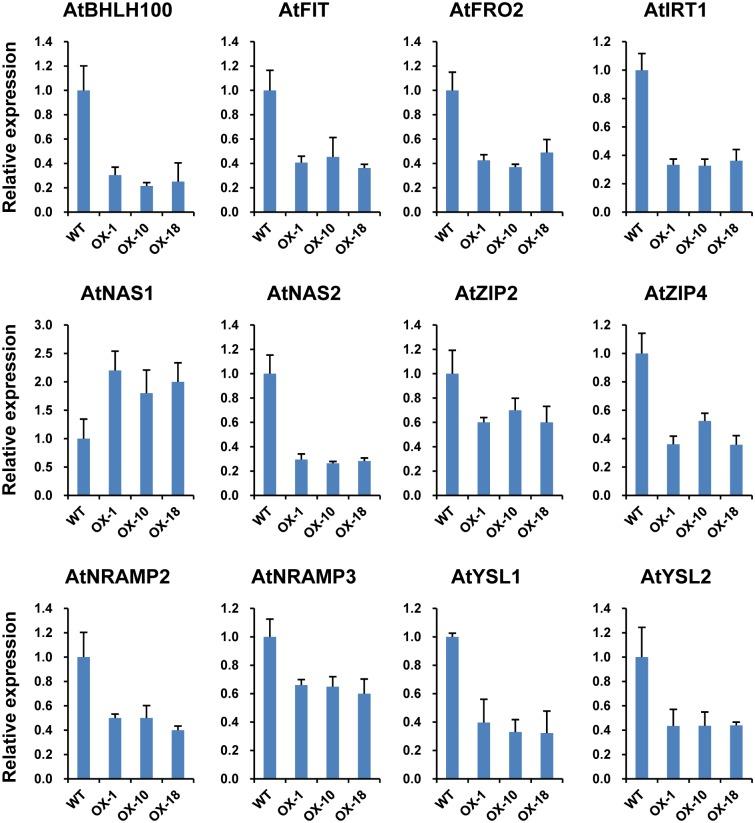
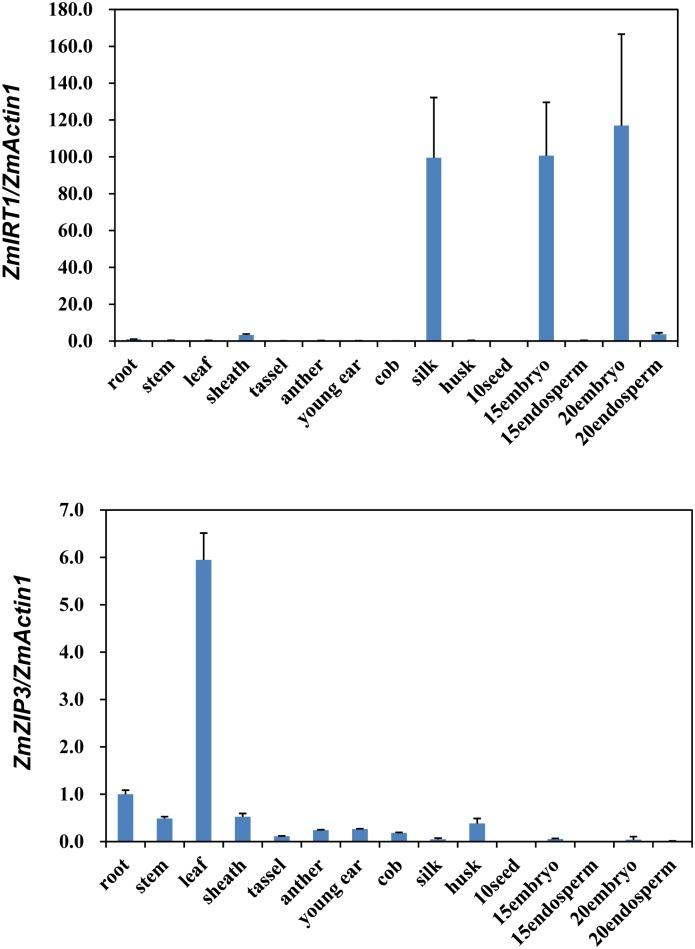
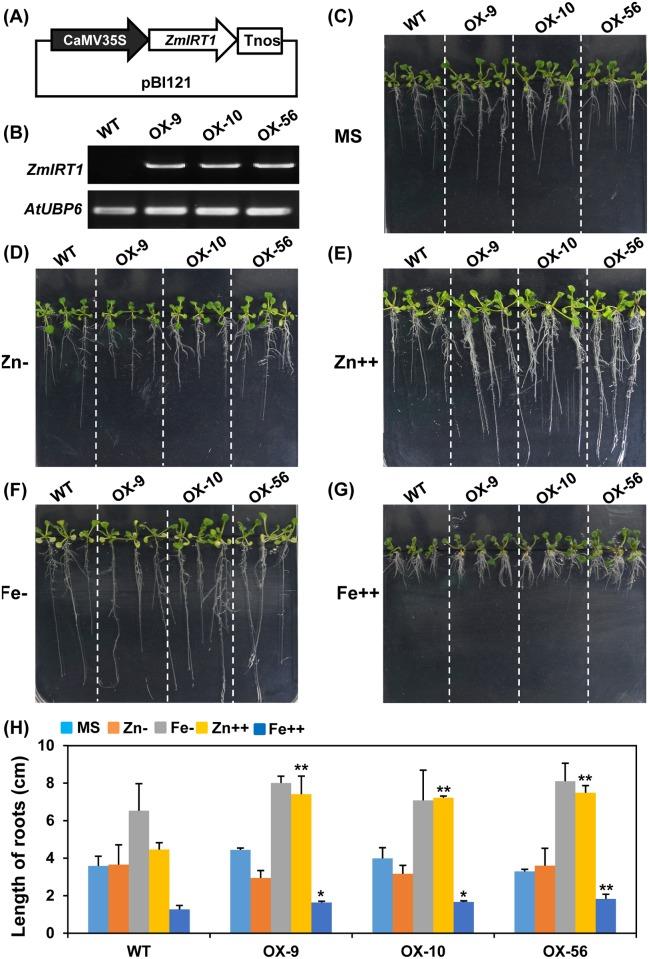
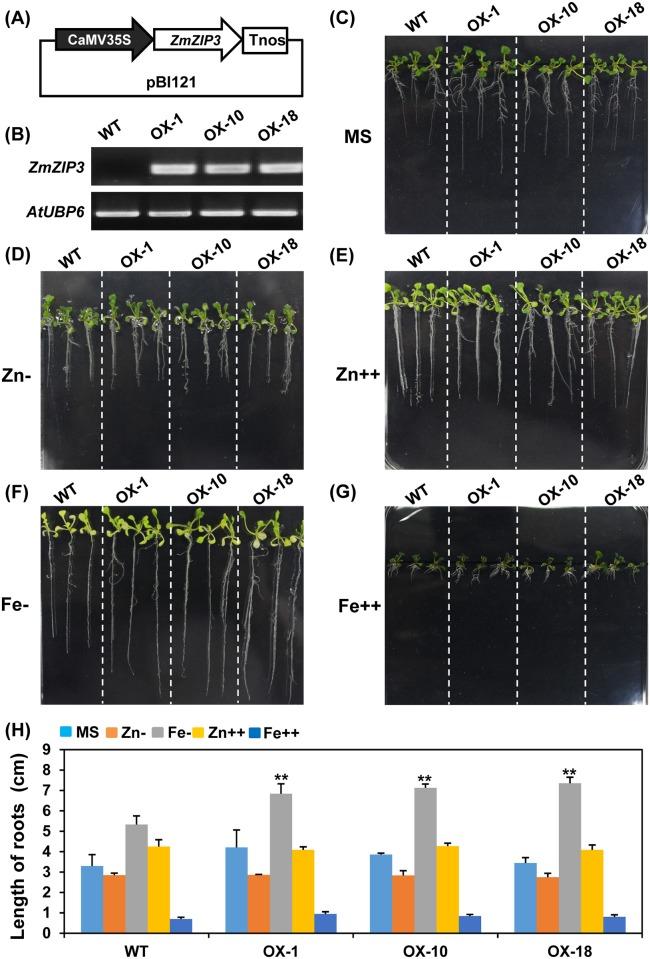
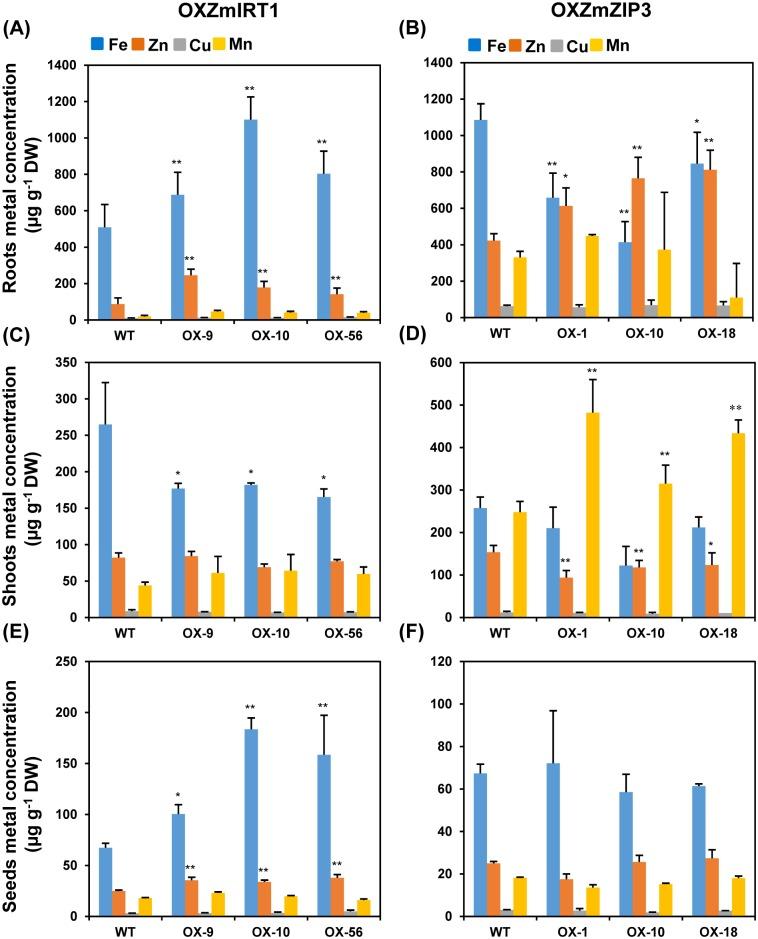
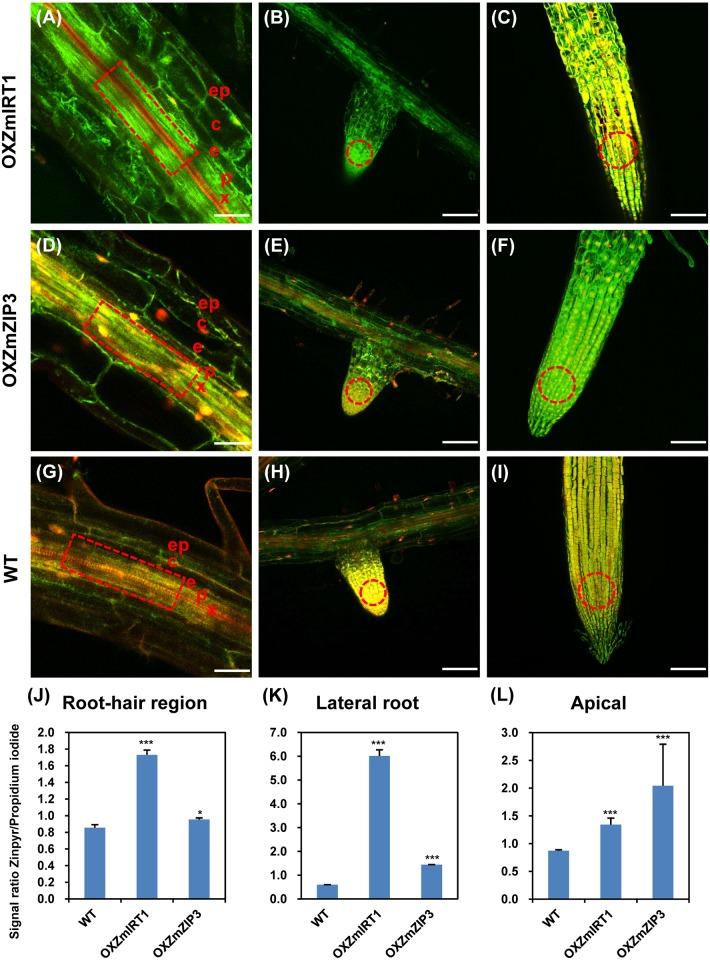
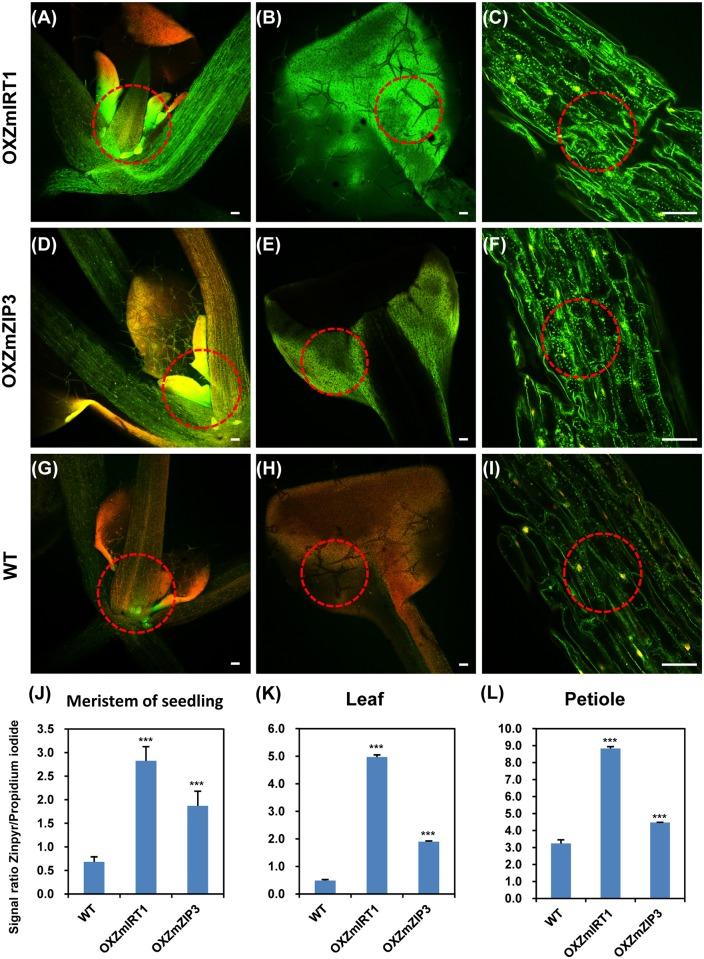
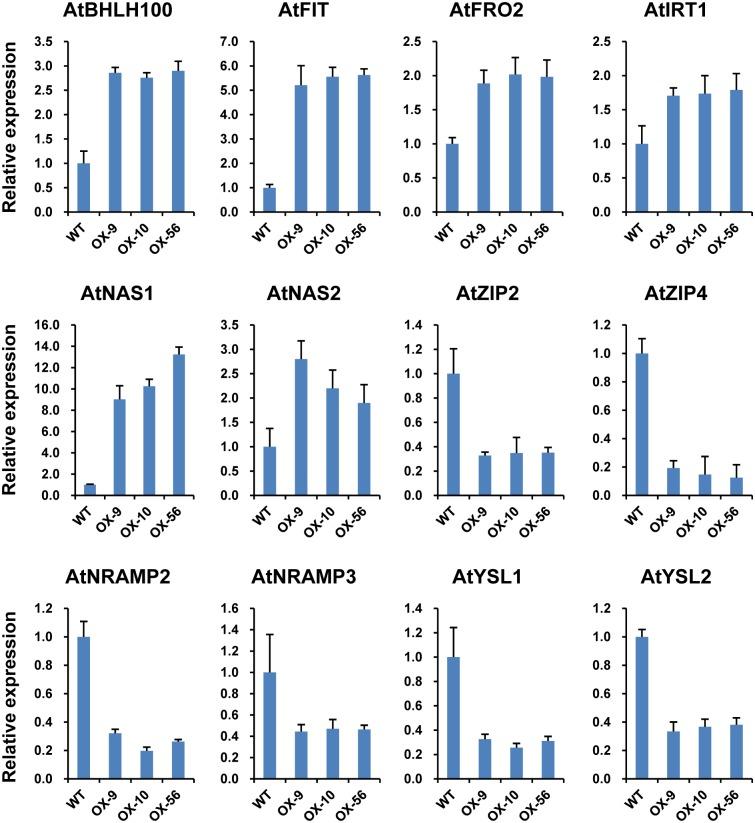
Iron and zinc are important micronutrients for both the growth and nutrient availability of crop plants, and their absorption is tightly controlled by a metal uptake system. Zinc-regulated transporters, iron-regulated transporter-like proteins (ZIP), is considered an essential metal transporter for the acquisition of Fe and Zn in graminaceous plants. Several ZIPs have been identified in maize, although their physiological function remains unclear. In this report, ZmIRT1 was shown to be specifically expressed in silk and embryo, whereas ZmZIP3 was a leaf-specific gene. Both ZmIRT1 and ZmZIP3 were shown to be localized to the plasma membrane and endoplasmic reticulum. In addition, transgenic Arabidopsis plants overexpressing ZmIRT1 or ZmZIP3 were generated, and the metal contents in various tissues of transgenic and wild-type plants were examined based on ICP-OES and Zinpyr-1 staining. The Fe and Zn concentration increased in roots and seeds of ZmIRT1-overexpressing plants, while the Fe content in shoots decreased. Overexpressing ZmZIP3 enhanced Zn accumulation in the roots of transgenic plants, while that in shoots was repressed. In addition, the transgenic plants showed altered tolerance to various Fe and Zn conditions compared with wild-type plants. Furthermore, the genes associated with metal uptake were stimulated in ZmIRT1 transgenic plants, while those involved in intra- and inter- cellular translocation were suppressed. In conclusion, ZmIRT1 and ZmZIP3 are functional metal transporters with different ion selectivities. Ectopic overexpression of ZmIRT1 may stimulate endogenous Fe uptake mechanisms, which may facilitate metal uptake and homeostasis. Our results increase our understanding of the functions of ZIP family transporters in maize.
铁和锌是作物生长及养分有效性所需的重要微量营养素,它们的吸收受到金属吸收系统的严格调控。锌调节转运蛋白、铁调节转运蛋白样蛋白(ZIP)被认为是禾本科植物获取铁和锌所必需的金属转运蛋白。虽然在玉米中已鉴定出几种ZIP蛋白,但其生理功能仍不清楚。在本报告中,ZmIRT1在花丝和胚中特异性表达,而ZmZIP3是叶特异性基因。ZmIRT1和ZmZIP3均定位于质膜和内质网。此外,构建了过表达ZmIRT1或ZmZIP3的转基因拟南芥植株,并基于电感耦合等离子体质谱仪(ICP - OES)和锌荧光探针Zinpyr - 1染色检测了转基因植株和野生型植株各组织中的金属含量。过表达ZmIRT1的植株根和种子中的铁和锌浓度增加,而地上部的铁含量降低。过表达ZmZIP3增强了转基因植株根中锌的积累,而地上部锌的积累受到抑制。此外,与野生型植株相比,转基因植株对各种铁和锌条件的耐受性发生了改变。此外,ZmIRT1转基因植株中与金属吸收相关的基因受到刺激,而参与细胞内和细胞间转运的基因受到抑制。总之,ZmIRT1和ZmZIP3是具有不同离子选择性的功能性金属转运蛋白。ZmIRT1的异位过表达可能刺激内源性铁吸收机制,这可能有助于金属的吸收和稳态。我们的研究结果增进了我们对玉米中ZIP家族转运蛋白功能的理解。
 Zotero 插件