
电针治疗部分通过激活迷走神经而不是调节局部炎症来促进术后肠麻痹的恢复时间。
Electroacupuncture treatment partly promotes the recovery time of postoperative ileus by activating the vagus nerve but not regulating local inflammation.
机构信息
Department of Neurobiology &Acupuncture Research, the Third Clinical College, Zhejiang Chinese Medical University, Hangzhou, China.
出版信息
Sci Rep. 2017 Jan 4;7:39801. doi: 10.1038/srep39801.
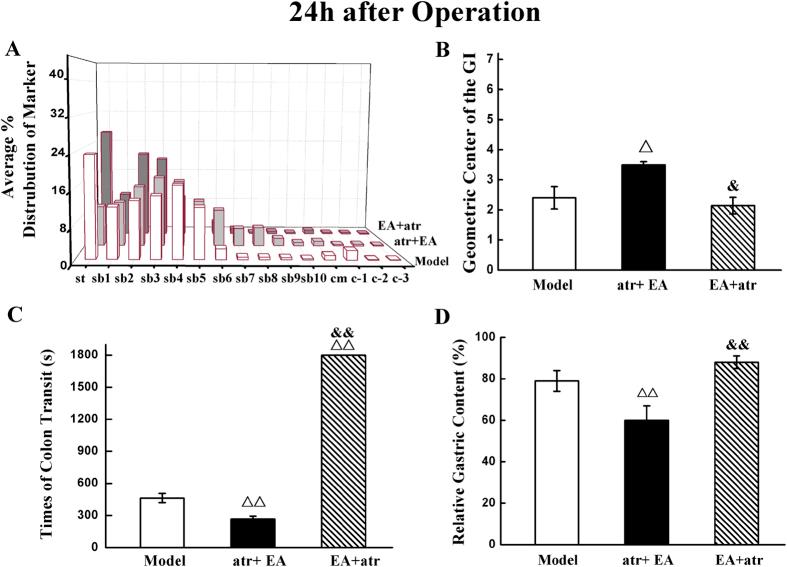
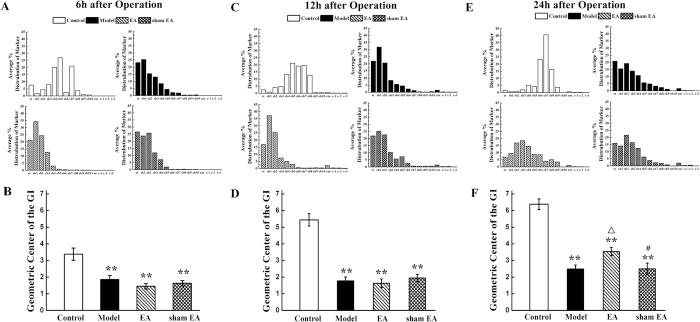
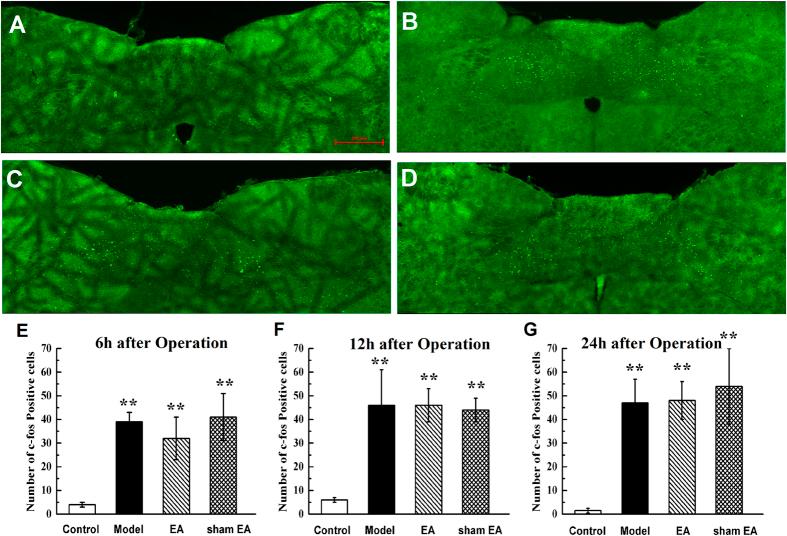
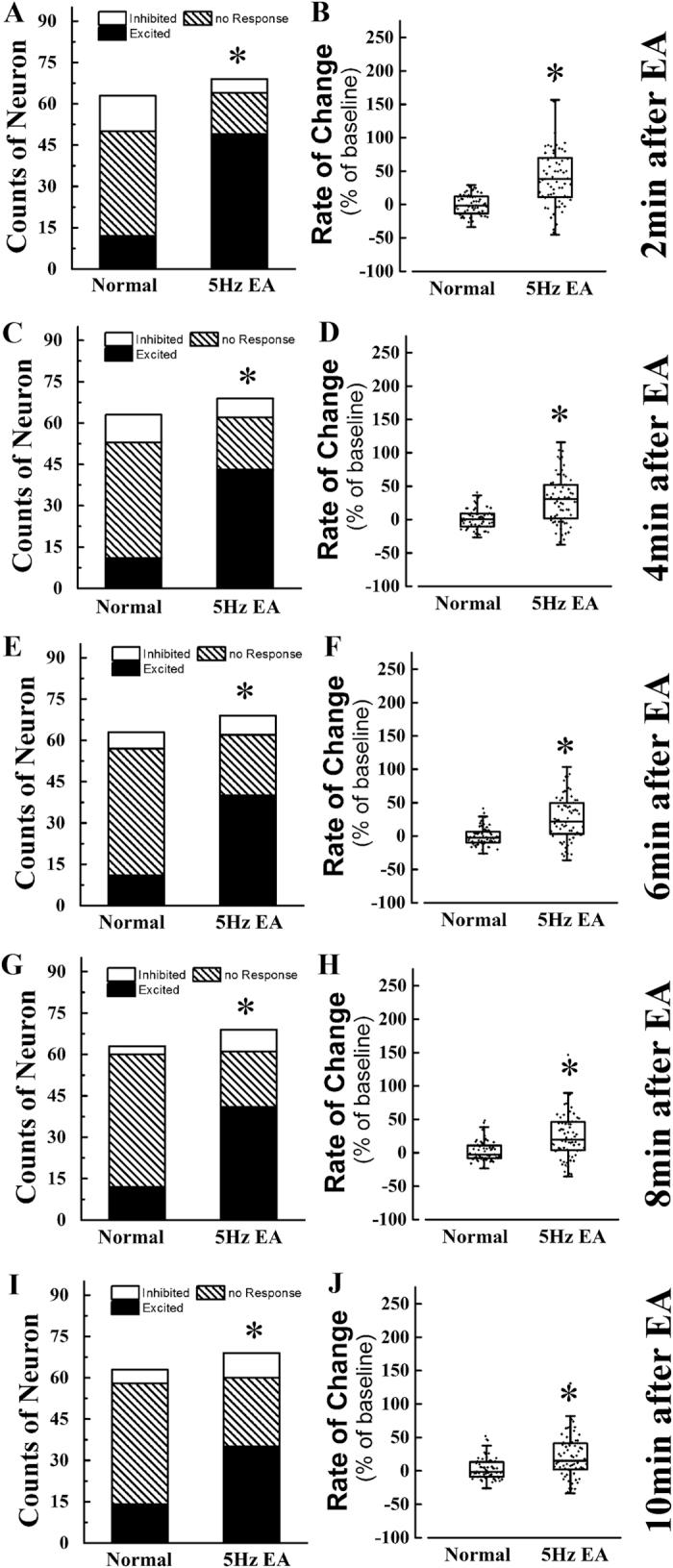
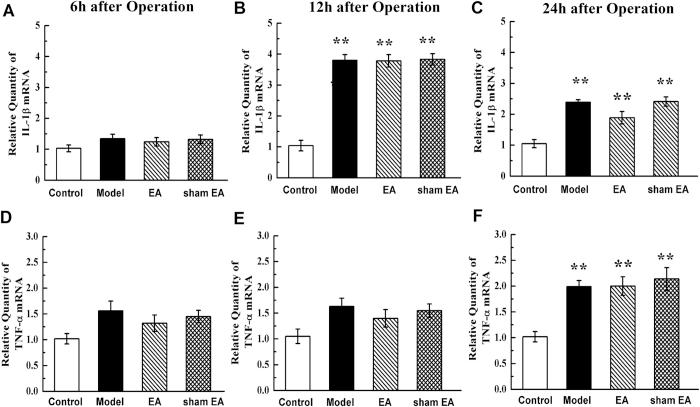
Postoperative ileus (POI) after abdominal surgery significantly lowers the life quality of patients and increase hospital costs. However, few treatment strategies have successfully shortened the duration of POI. Electroacupuncture (EA) is a modern way of administering acupuncture and widely used in various gastrointestinal (GI) diseases in the world. Here, we studied the effect of EA on POI and its underlying mechanisms. Intestinal manipulation resulted in significant delays of GI transit, colonic transit and gastric emptying. Surgery also up-regulated c-fos in nucleus of the solitary tract (NTS) and induced inflammation response in the small intestine. Further, operation and inhale anesthesia inhibited NTS neuron excitation duration for the whole observation time. EA administered at ST36 indeed shortened the recovery time of GI and colonic transit, and significantly increased the gastric emptying. EA also significantly activated the NTS neurons after operation. However, there was no anti-inflammation effect of EA during the whole experiment. Finally, atropine blocked the regulatory effect of EA on GI function, when it was injected after surgery, but not before surgery. Thus, the regulatory effect of EA on POI was mainly mediated by exciting NTS neurons to improve the GI tract transit function but not by activating cholinergic anti-inflammatory pathway.
术后肠梗阻(POI)会显著降低患者的生活质量并增加医疗费用。然而,目前很少有治疗策略能成功缩短 POI 的持续时间。电针(EA)是一种现代的针灸方法,在世界范围内广泛应用于各种胃肠道(GI)疾病。在这里,我们研究了 EA 对 POI 的影响及其潜在机制。肠道操作导致 GI 转运、结肠转运和胃排空明显延迟。手术还在上丘脑孤束核(NTS)中上调 c-fos,并在小肠中引发炎症反应。此外,手术和吸入麻醉抑制了 NTS 神经元的整个观察时间的兴奋持续时间。ST36 处的 EA 确实缩短了 GI 和结肠转运的恢复时间,并显著增加了胃排空。EA 还显著激活了手术后的 NTS 神经元。然而,在整个实验过程中,EA 没有抗炎作用。最后,当术后注射时,阿托品阻断了 EA 对 GI 功能的调节作用,但术前注射则没有。因此,EA 对 POI 的调节作用主要是通过兴奋 NTS 神经元来改善胃肠道转运功能,而不是通过激活胆碱能抗炎途径。

 Zotero 插件