
伊布替尼和idelalisib 相关毒性的发生率和处理:实用方法。
Incidence and management of toxicity associated with ibrutinib and idelalisib: a practical approach.
机构信息
Department of Hematology, Academic Medical Center, Amsterdam, the Netherlands.
Department of Experimental Immunology, Academic Medical Center, Amsterdam, the Netherlands.
出版信息
Haematologica. 2017 Oct;102(10):1629-1639. doi: 10.3324/haematol.2017.164103. Epub 2017 Aug 3.
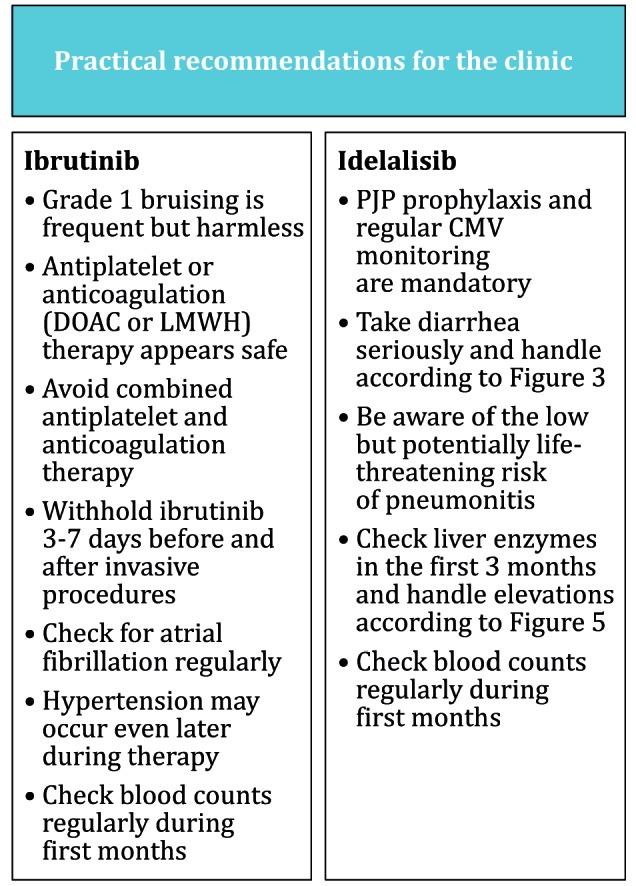
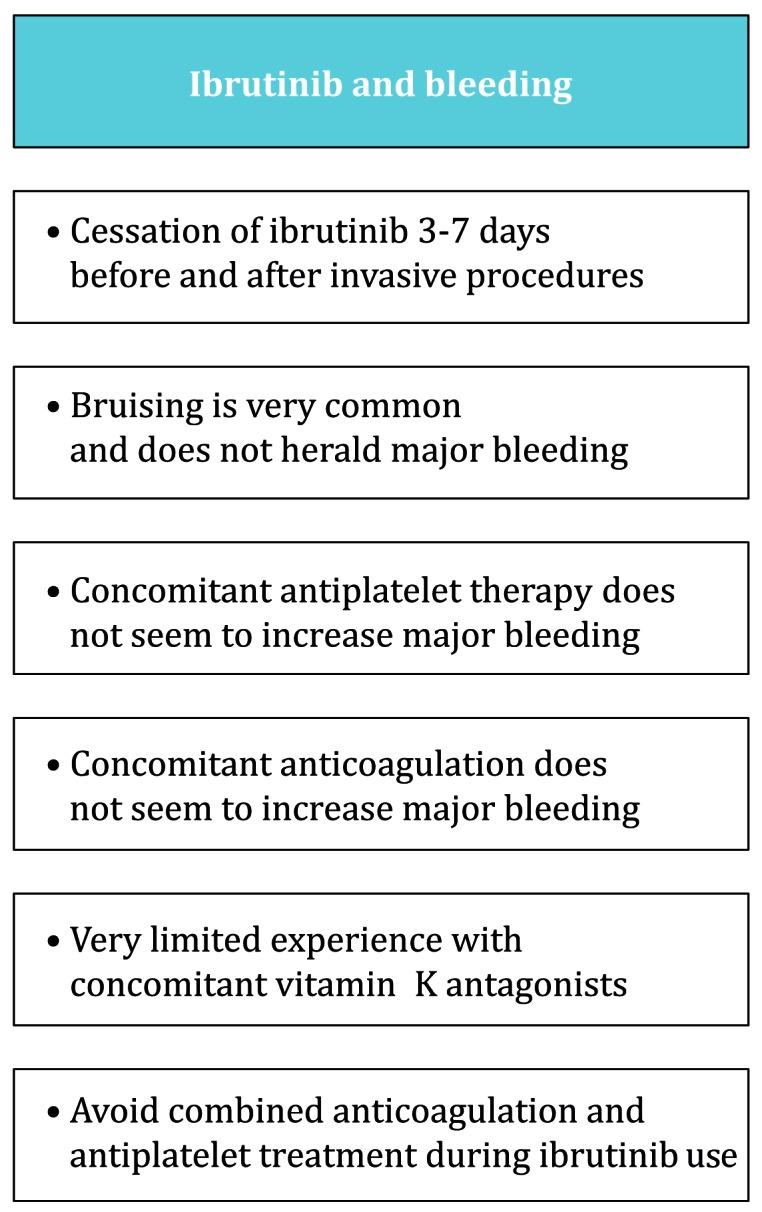
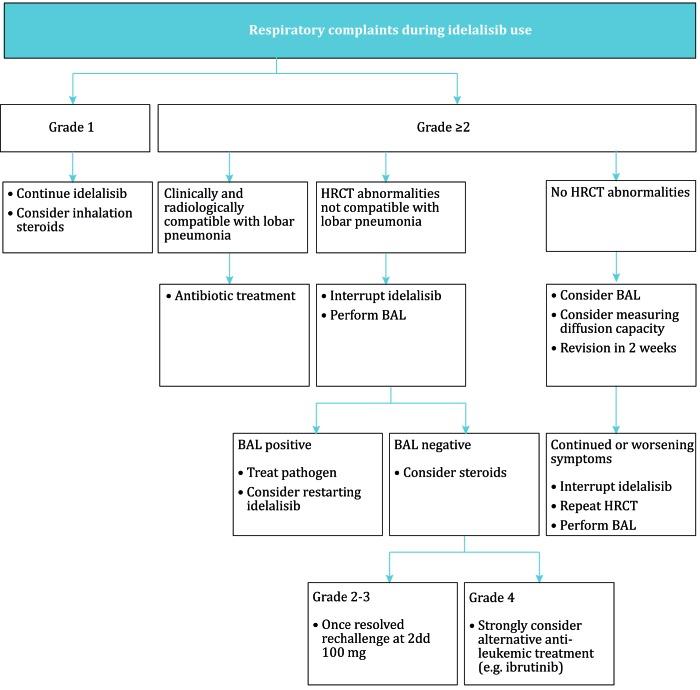
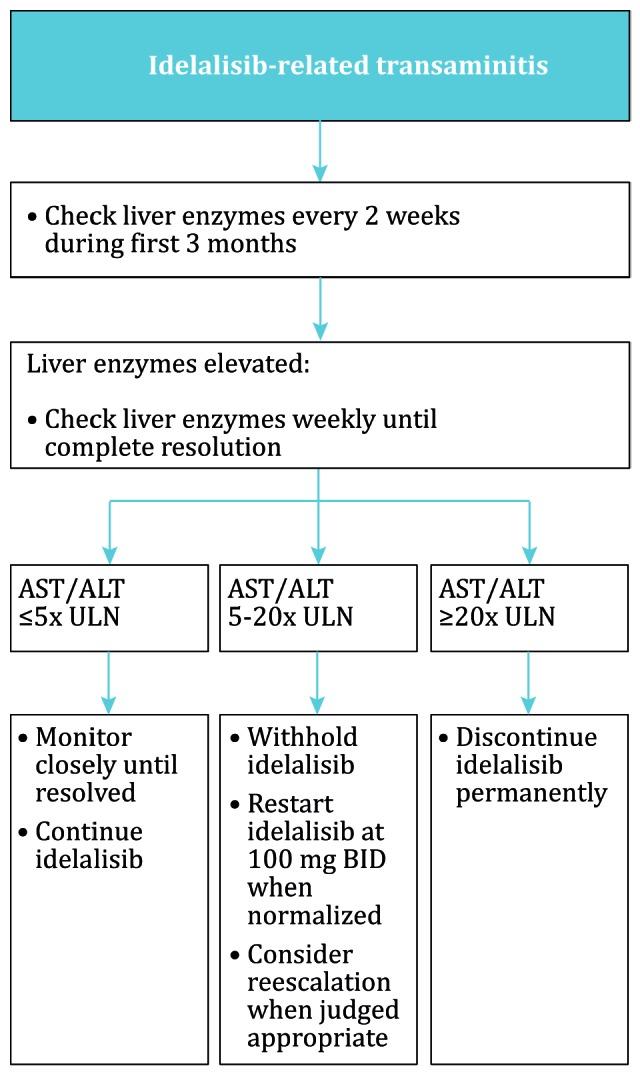
The use of novel B-cell receptor signaling inhibitors results in high response rates and long progression-free survival in patients with indolent B-cell malignancies, such as chronic lymphocytic leukemia, follicular lymphoma, mantle cell lymphoma and Waldenström macroglobulinemia. Ibrutinib, the first-in-class inhibitor of Bruton tyrosine kinase, and idelalisib, the first-in-class inhibitor of phosphatidylinositol 3-kinase , have recently been approved for the treatment of several indolent B-cell malignancies. These drugs are especially being used for previously unmet needs, i.e., for patients with relapsed or refractory disease, high-risk cytogenetic or molecular abnormalities, or with comorbidities. Treatment with ibrutinib and idelalisib is generally well tolerated, even by elderly patients. However, the use of these drugs may come with toxicities that are distinct from the side effects of immunochemotherapy. In this review we discuss the most commonly reported and/or most clinically relevant adverse events associated with these B-cell receptor inhibitors, with special emphasis on recommendations for their management.
新型 B 细胞受体信号抑制剂的应用可使惰性 B 细胞恶性肿瘤(如慢性淋巴细胞白血病、滤泡性淋巴瘤、套细胞淋巴瘤和华氏巨球蛋白血症)患者获得高缓解率和长无进展生存期。伊布替尼是首个布鲁顿酪氨酸激酶抑制剂,idelalisib 是首个磷脂酰肌醇 3-激酶抑制剂,最近已获批用于多种惰性 B 细胞恶性肿瘤的治疗。这些药物尤其适用于既往未满足的需求,即用于复发或难治性疾病、高危细胞遗传学或分子异常或合并症患者。伊布替尼和idelalisib 的治疗通常具有良好的耐受性,即使是老年患者也是如此。然而,这些药物的使用可能会带来不同于免疫化疗副作用的毒性。在这篇综述中,我们讨论了与这些 B 细胞受体抑制剂相关的最常见报告和/或最具临床相关性的不良事件,并特别强调了它们管理建议。


 Zotero 插件