
解析HLA肽组中的HLA-I基序可改善新抗原预测并识别调节HLA特异性的变构现象。
Deciphering HLA-I motifs across HLA peptidomes improves neo-antigen predictions and identifies allostery regulating HLA specificity.
作者信息
Bassani-Sternberg Michal, Chong Chloé, Guillaume Philippe, Solleder Marthe, Pak HuiSong, Gannon Philippe O, Kandalaft Lana E, Coukos George, Gfeller David
机构信息
Ludwig Centre for Cancer Research, University of Lausanne, Epalinges, Switzerland.
Department of Fundamental Oncology, University Hospital of Lausanne, Lausanne, Switzerland.
出版信息
PLoS Comput Biol. 2017 Aug 23;13(8):e1005725. doi: 10.1371/journal.pcbi.1005725. eCollection 2017 Aug.
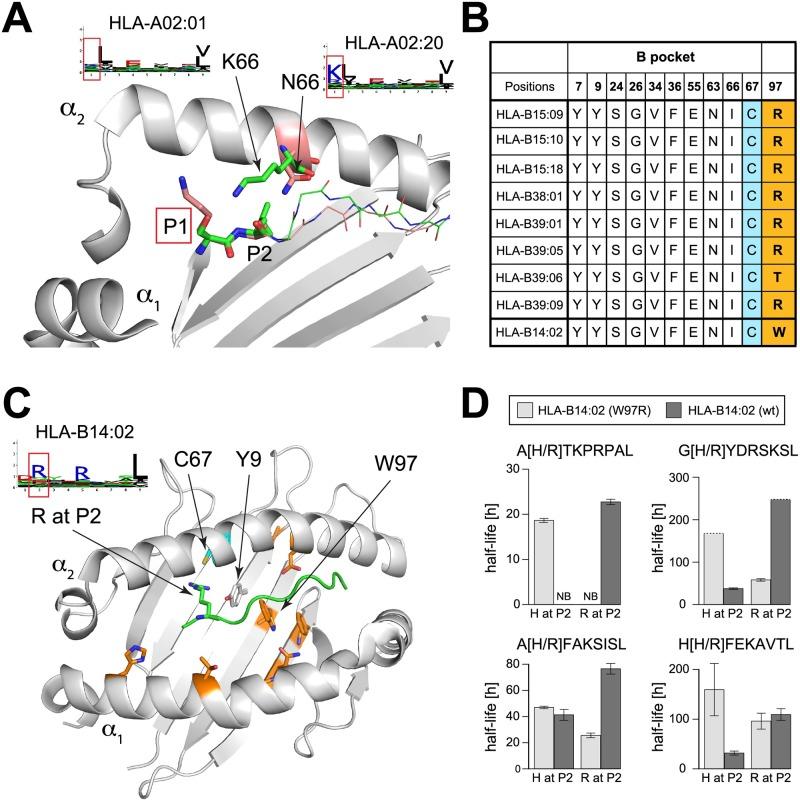
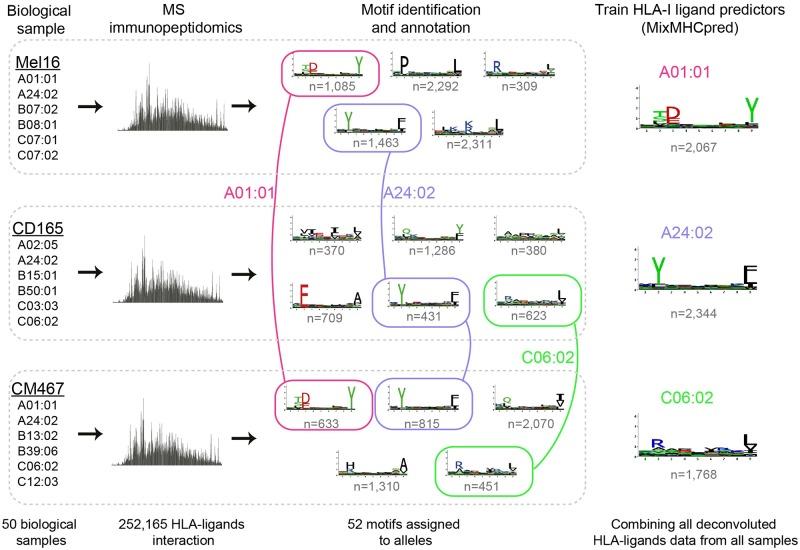
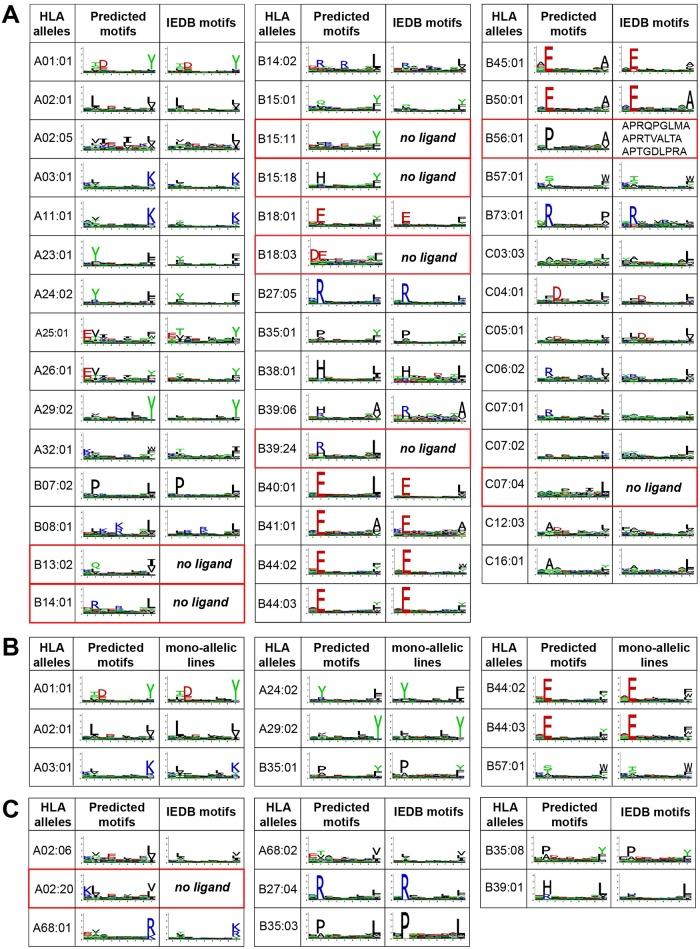
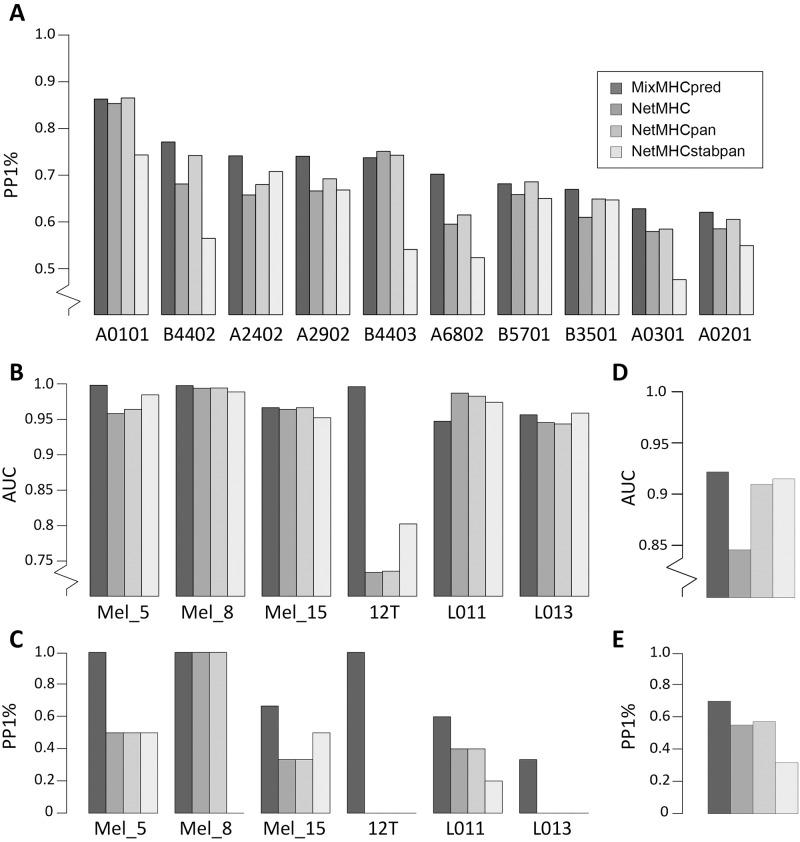
The precise identification of Human Leukocyte Antigen class I (HLA-I) binding motifs plays a central role in our ability to understand and predict (neo-)antigen presentation in infectious diseases and cancer. Here, by exploiting co-occurrence of HLA-I alleles across ten newly generated as well as forty public HLA peptidomics datasets comprising more than 115,000 unique peptides, we show that we can rapidly and accurately identify many HLA-I binding motifs and map them to their corresponding alleles without any a priori knowledge of HLA-I binding specificity. Our approach recapitulates and refines known motifs for 43 of the most frequent alleles, uncovers new motifs for 9 alleles that up to now had less than five known ligands and provides a scalable framework to incorporate additional HLA peptidomics studies in the future. The refined motifs improve neo-antigen and cancer testis antigen predictions, indicating that unbiased HLA peptidomics data are ideal for in silico predictions of neo-antigens from tumor exome sequencing data. The new motifs further reveal distant modulation of the binding specificity at P2 for some HLA-I alleles by residues in the HLA-I binding site but outside of the B-pocket and we unravel the underlying mechanisms by protein structure analysis, mutagenesis and in vitro binding assays.
人类白细胞抗原 I 类(HLA-I)结合基序的精确识别,对于我们理解和预测传染病及癌症中的(新)抗原呈递能力起着核心作用。在此,通过利用跨越十个新生成的以及四十个公共 HLA 肽组学数据集(包含超过 115,000 个独特肽段)的 HLA-I 等位基因共现情况,我们表明,无需任何关于 HLA-I 结合特异性的先验知识,就能快速且准确地识别许多 HLA-I 结合基序,并将它们映射到相应的等位基因。我们的方法概括并完善了 43 个最常见等位基因的已知基序,揭示了 9 个等位基因的新基序(这些等位基因迄今已知配体少于五个),并提供了一个可扩展的框架,以便未来纳入更多的 HLA 肽组学研究。经过优化的基序改善了新抗原和癌睾抗原预测,表明无偏差的 HLA 肽组学数据非常适合从肿瘤外显子组测序数据进行新抗原的计算机预测。新基序进一步揭示了某些 HLA-I 等位基因在 P2 位点的结合特异性受到 HLA-I 结合位点中但在 B 口袋之外的残基的远程调节,并且我们通过蛋白质结构分析、诱变和体外结合试验揭示了其潜在机制。
 Zotero 插件