
结构和动力学驱动 SARS、登革热和 Zika 病毒的类胰蛋白酶蛋白酶的别构作用。
Structurally- and dynamically-driven allostery of the chymotrypsin-like proteases of SARS, Dengue and Zika viruses.
机构信息
Department of Biological Sciences, Faculty of Science, National University of Singapore, Republic of Singapore.
Department of Biomedical Sciences, City University of Hong Kong, Kowloon, Hong Kong Special Administrative Region.
出版信息
Prog Biophys Mol Biol. 2019 May;143:52-66. doi: 10.1016/j.pbiomolbio.2018.08.009. Epub 2018 Sep 11.
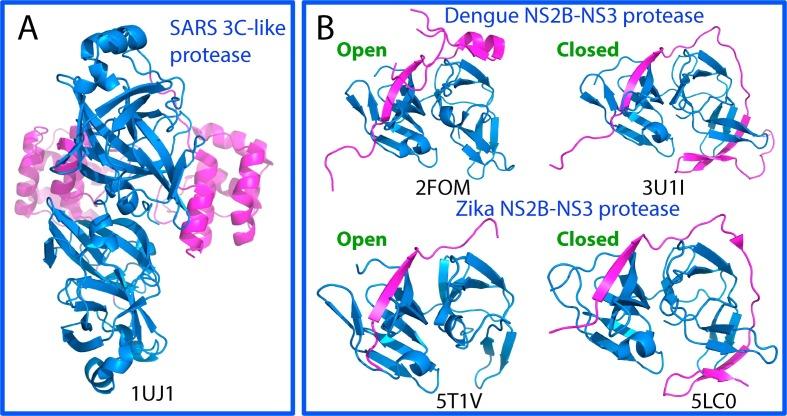
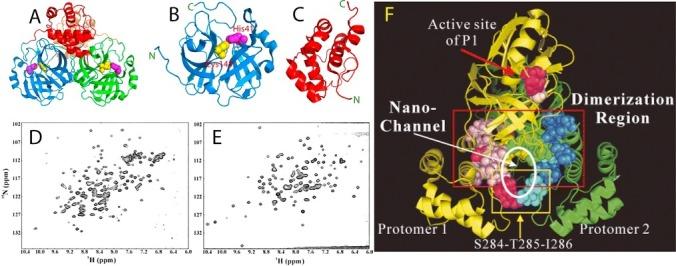
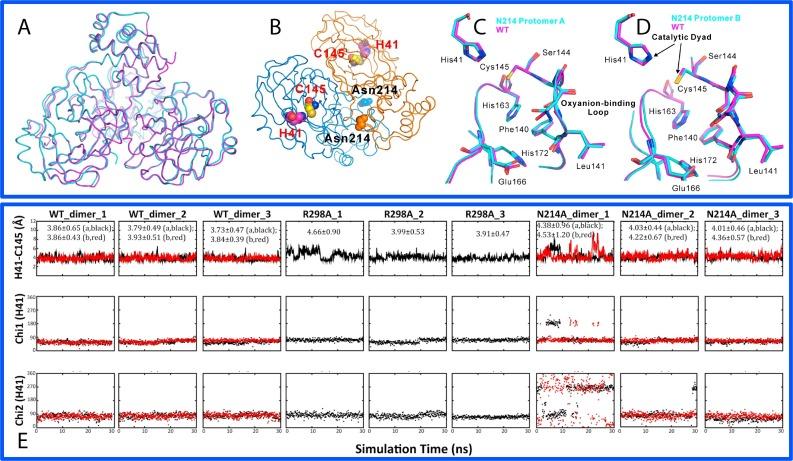
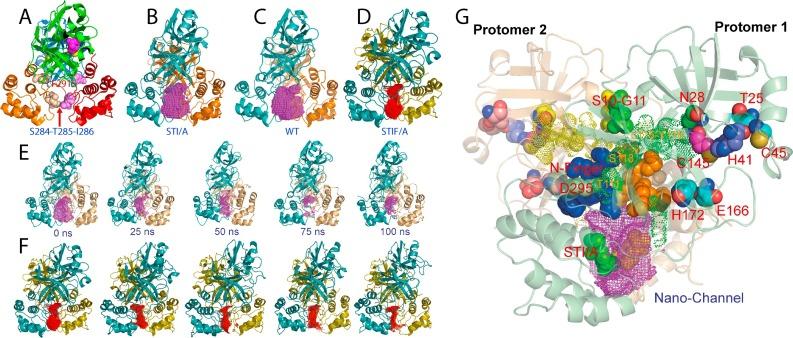
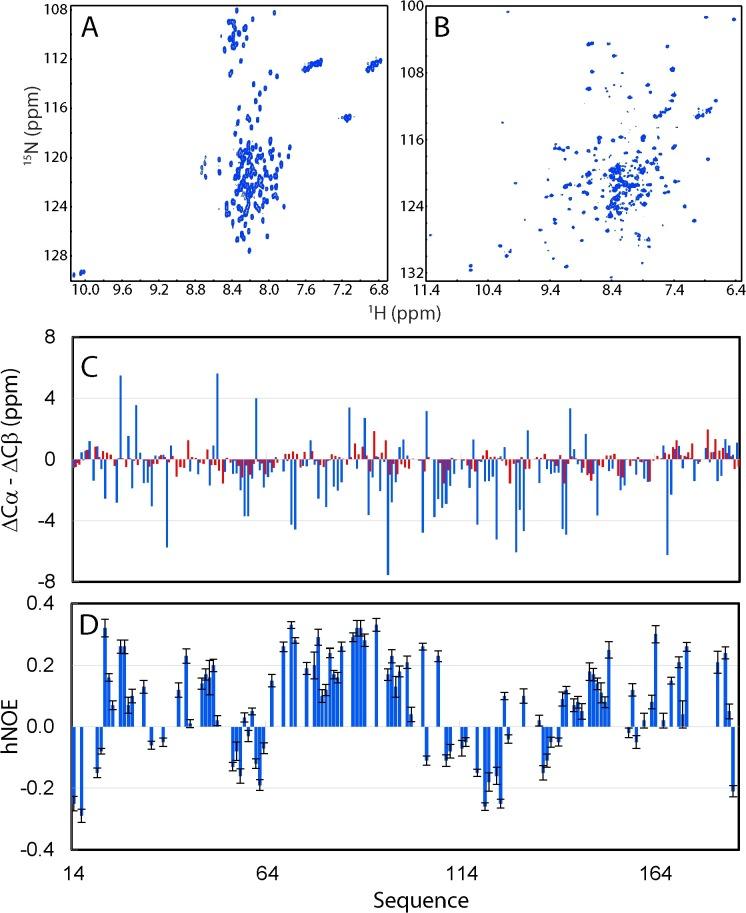
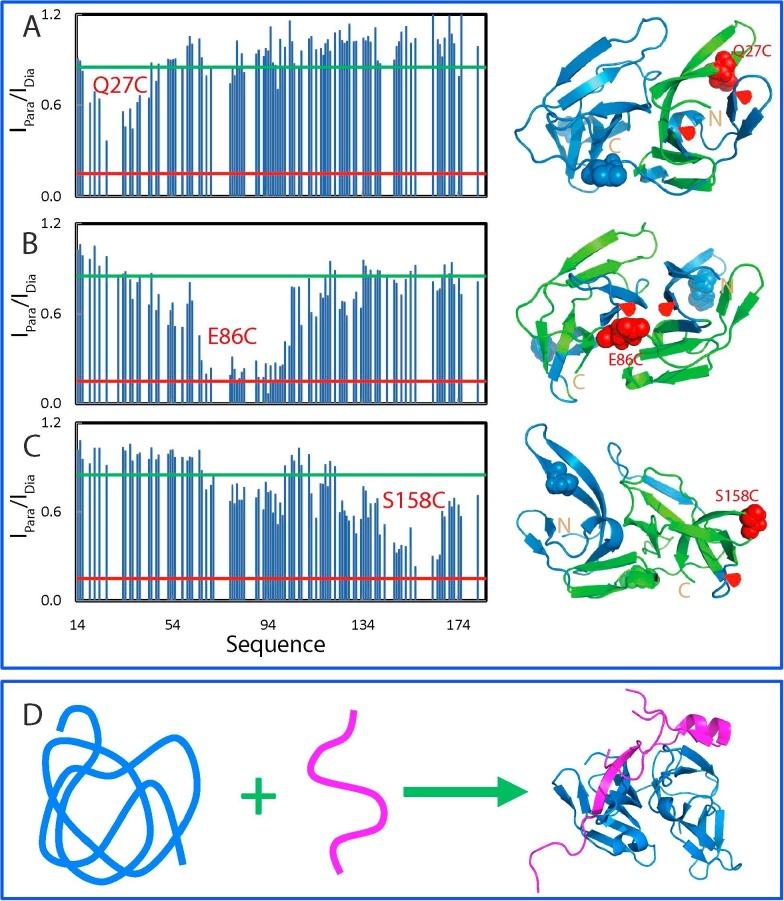
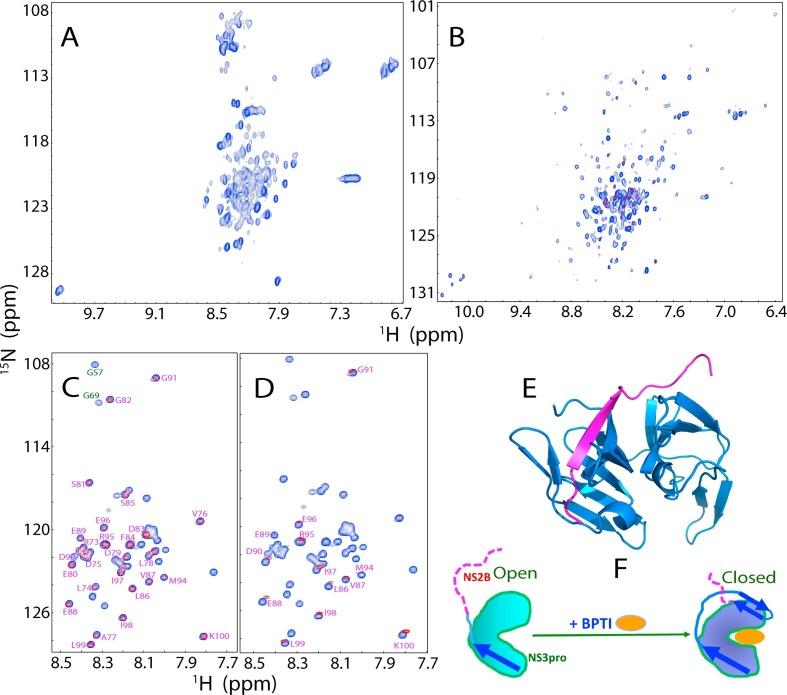
Coronavirus 3C-like and Flavivirus NS2B-NS3 proteases utilize the chymotrypsin fold to harbor their catalytic machineries but also contain additional domains/co-factors. Over the past decade, we aimed to decipher how the extra domains/co-factors mediate the catalytic machineries of SARS 3C-like, Dengue and Zika NS2B-NS3 proteases by characterizing their folding, structures, dynamics and inhibition with NMR, X-ray crystallography and MD simulations, and the results revealed: 1) the chymotrypsin fold of the SARS 3C-like protease can independently fold, while, by contrast, those of Dengue and Zika proteases lack the intrinsic capacity to fold without co-factors. 2) Mutations on the extra domain of SARS 3C-like protease can transform the active catalytic machinery into the inactive collapsed state by structurally-driven allostery. 3) Amazingly, even without detectable structural changes, mutations on the extra domain are sufficient to either inactivate or enhance the catalytic machinery of SARS 3C-like protease by dynamically-driven allostery. 4) Global networks of correlated motions have been identified: for SARS 3C-like protease, N214A inactivates the catalytic machinery by decoupling the network, while STI/A and STIF/A enhance by altering the patterns of the network. The global networks of Dengue and Zika proteases are coordinated by their NS2B-cofactors. 5) Natural products were identified to allosterically inhibit Zika and Dengue proteases through binding a pocket on the back of the active site. Therefore, by introducing extra domains/cofactors, nature develops diverse strategies to regulate the catalytic machinery embedded on the chymotrypsin fold through folding, structurally- and dynamically-driven allostery, all of which might be exploited to develop antiviral drugs.
冠状病毒 3C 样和黄病毒 NS2B-NS3 蛋白酶利用糜蛋白酶折叠来容纳其催化机制,但也包含其他结构域/辅助因子。在过去的十年中,我们旨在通过用 NMR、X 射线晶体学和 MD 模拟来表征它们的折叠、结构、动力学和抑制作用,来破解 SARS 3C 样、登革热和 Zika NS2B-NS3 蛋白酶的额外结构域/辅助因子如何介导其催化机制,结果表明:1)SARS 3C 样蛋白酶的糜蛋白酶折叠可以独立折叠,而相比之下,登革热和 Zika 蛋白酶缺乏在没有辅助因子的情况下折叠的固有能力。2)SARS 3C 样蛋白酶的额外结构域上的突变可以通过结构驱动变构将活性催化机制转化为无活性的折叠状态。3)令人惊讶的是,即使没有可检测的结构变化,额外结构域上的突变足以通过动态驱动变构使 SARS 3C 样蛋白酶的催化机制失活或增强。4)已经确定了相关运动的全局网络:对于 SARS 3C 样蛋白酶,N214A 通过去耦网络使催化机制失活,而 STI/A 和 STIF/A 通过改变网络的模式增强。登革热和 Zika 蛋白酶的全局网络由它们的 NS2B 辅助因子协调。5)天然产物被鉴定为通过结合活性位点背面的口袋来变构抑制 Zika 和 Dengue 蛋白酶。因此,通过引入额外的结构域/辅助因子,自然界通过折叠、结构和动态驱动变构来开发出多种调节嵌入糜蛋白酶折叠中的催化机制的策略,所有这些策略都可能被用来开发抗病毒药物。




 Zotero 插件