
细胞代谢在调节树突状细胞亚群和功能中的新作用
Emerging Roles of Cellular Metabolism in Regulating Dendritic Cell Subsets and Function.
作者信息
Du Xingrong, Chapman Nicole M, Chi Hongbo
机构信息
Department of Immunology, St. Jude Children's Research Hospital, Memphis, TN, United States.
出版信息
Front Cell Dev Biol. 2018 Nov 13;6:152. doi: 10.3389/fcell.2018.00152. eCollection 2018.
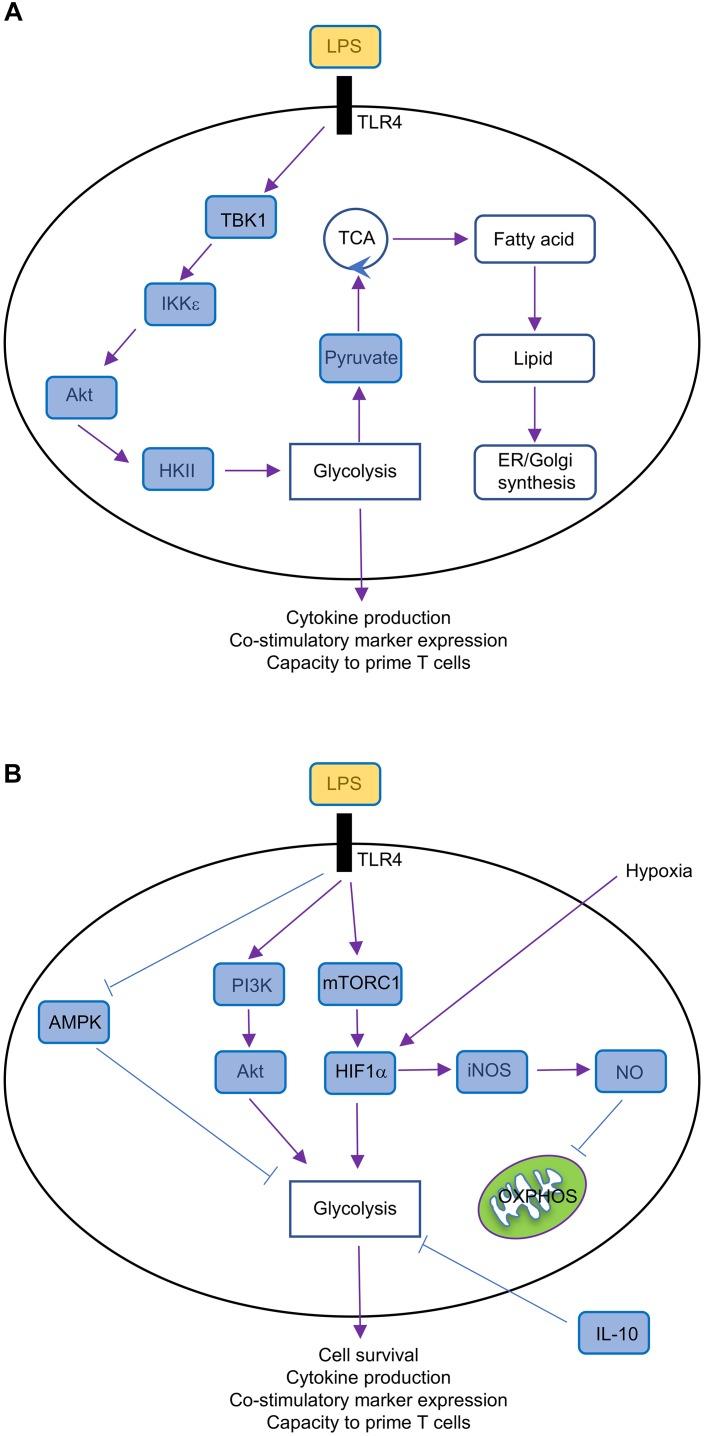
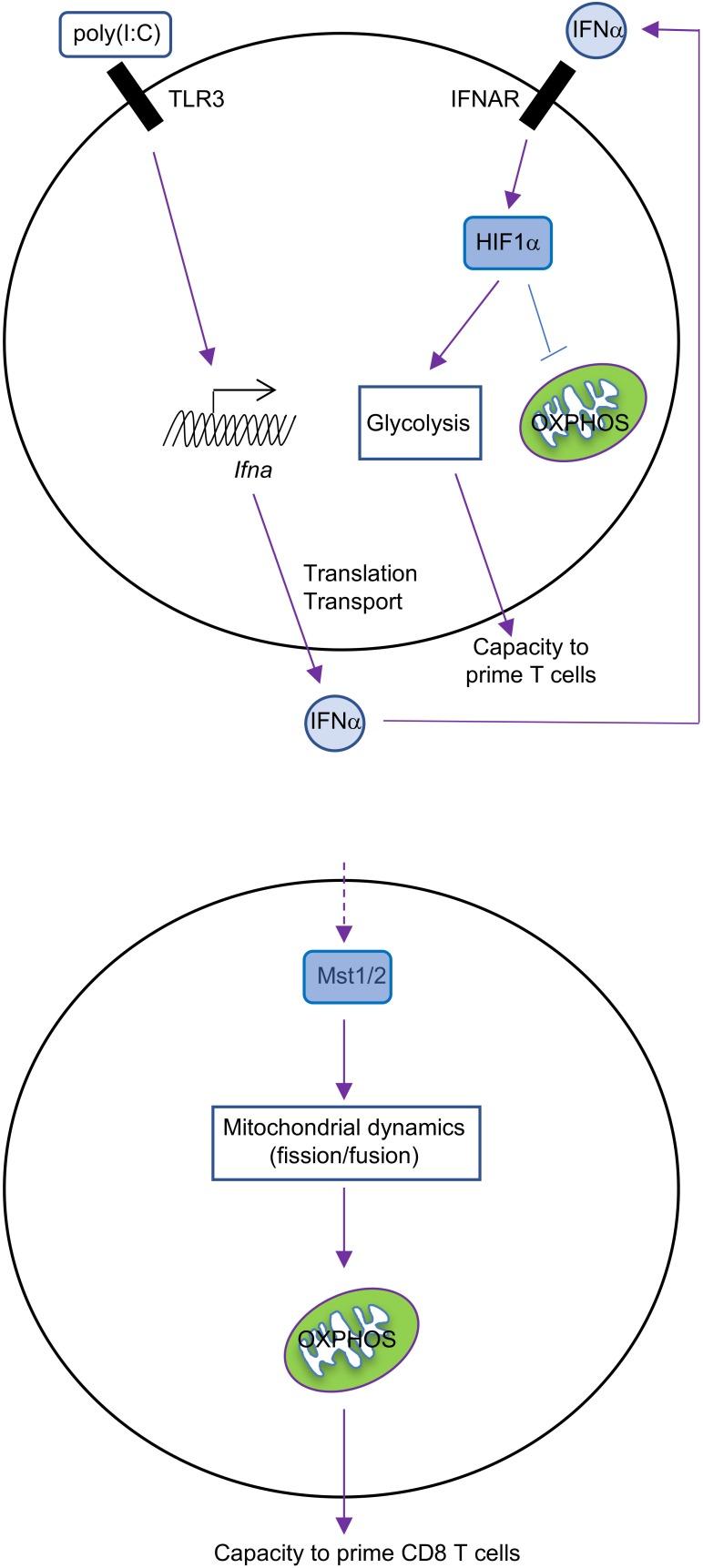
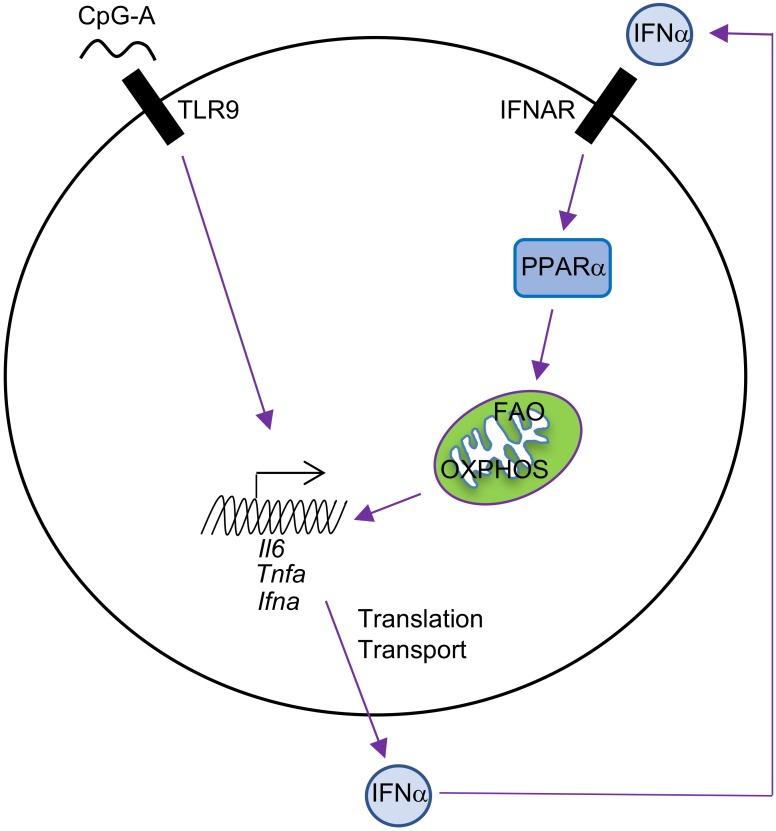
Dendritic cells (DCs) are the bridge between innate and T cell-dependent adaptive immunity and are promising therapeutic targets for cancer and immune-mediated disorders. Upon stimulation by pathogen or danger-sensing receptors, DCs become activated and poised to induce T cell priming. Recent studies have identified critical roles of metabolic pathways, including glycolysis, oxidative phosphorylation, and fatty acid metabolism, in orchestrating DC function. In this review, we discuss the shared and distinct metabolic programs shaping the functional specification of different DC subsets, including conventional DCs, bone marrow-derived DCs, and plasmacytoid DCs. We also briefly discuss the signaling networks that tune metabolic programs in DC subsets.
树突状细胞(DCs)是先天性免疫和T细胞依赖性适应性免疫之间的桥梁,是癌症和免疫介导疾病很有前景的治疗靶点。在病原体或危险感应受体的刺激下,DCs被激活并准备诱导T细胞启动。最近的研究已经确定了代谢途径,包括糖酵解、氧化磷酸化和脂肪酸代谢,在协调DC功能方面的关键作用。在这篇综述中,我们讨论了塑造不同DC亚群功能特性的共同和独特的代谢程序,包括传统DCs、骨髓来源的DCs和浆细胞样DCs。我们还简要讨论了调节DC亚群代谢程序的信号网络。
 Zotero 插件