
艰难梭菌毒素基因定量核酸扩增检测对粪便样本毒素状态和患者预后的预测价值。
The predictive value of quantitative nucleic acid amplification detection of Clostridium difficile toxin gene for faecal sample toxin status and patient outcome.
机构信息
Leeds Teaching Hospitals NHS Trust, and University of Leeds, Leeds, United Kingdom.
St George's Healthcare NHS Trust, St. George's University of London, London, United Kingdom.
出版信息
PLoS One. 2018 Dec 5;13(12):e0205941. doi: 10.1371/journal.pone.0205941. eCollection 2018.
BACKGROUND
Laboratory diagnosis of Clostridium difficile infection (CDI) remains unsettled, despite updated guidelines. We investigated the potential utility of quantitative data from a nucleic acid amplification test (NAAT) for C. difficile toxin gene (tg) for patient management.
METHODS
Using data from the largest ever C. difficile diagnostic study (8853 diarrhoeal samples from 7335 patients), we determined the predicative value of C. difficile tgNAAT (Cepheid Xpert C.diff) low cycle threshold (CT) value for patient toxin positive status, CDI severity, mortality and CDI recurrence. Reference methods for CDI diagnosis were cytotoxicity assay (CTA) and cytotoxigenic culture (CTC).
RESULTS
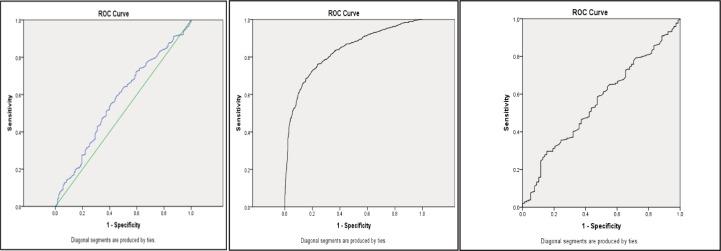
Of 1281 tgNAAT positive faecal samples, 713 and 917 were CTA and CTC positive, respectively. The median tgNAAT CT for patients who died was 25.5 vs 27.5 for survivors (p = 0.021); for toxin-positivity was 24.9 vs 31.6 for toxin-negative samples (p<0.001) and for patients with a recurrence episode was 25.6 vs 27.3 for those who did not have a recurrent episode (p = 0.111). Following optimal cut-off determination, low CT was defined as ≤25 and was significantly associated with a toxin-positive result (P<0.001, positive predictive value 83.9%), presence of PCR-ribotype 027 (P = 0.025), and mortality (P = 0.032). Recurrence was not associated with low CT (p 0.111).
CONCLUSIONS
Low tgNAAT CT could indicate CTA positive patients, have more severe infection, increased risk of mortality and possibly recurrence. Although, the limited specificity of tgNAAT means it cannot be used as a standalone test, it could augment a more timely diagnosis, and optimise management of these at-risk patients.
背景
尽管有了更新的指南,但实验室诊断艰难梭菌感染 (CDI) 仍然存在争议。我们研究了核酸扩增检测 (NAAT) 定量数据对艰难梭菌毒素基因 (tg) 的潜在应用,以辅助患者管理。
方法
我们利用有史以来最大的艰难梭菌诊断研究(来自 7335 名患者的 8853 份腹泻样本)的数据,确定了艰难梭菌 tgNAAT(Cepheid Xpert C.diff)低循环阈值 (CT) 值对患者毒素阳性状态、CDI 严重程度、死亡率和 CDI 复发的预测价值。CDI 诊断的参考方法是细胞毒性测定法 (CTA) 和细胞毒素培养法 (CTC)。
结果
在 1281 份 tgNAAT 阳性粪便样本中,713 份和 917 份分别为 CTA 和 CTC 阳性。死亡患者的 tgNAAT CT 中位数为 25.5,而幸存者为 27.5(p = 0.021);对于毒素阳性样本,中位数分别为 24.9 和 31.6(p<0.001),对于有复发的患者,中位数分别为 25.6 和 27.3(p = 0.111)对于没有复发的患者。在确定最佳截断值后,低 CT 定义为≤25,与毒素阳性结果显著相关(P<0.001,阳性预测值 83.9%),与 PCR-ribotype 027 相关(P = 0.025),与死亡率相关(P = 0.032)。复发与低 CT 无关(p 0.111)。
结论
低 tgNAAT CT 可能表明 CTA 阳性患者的感染更严重,死亡率和复发风险增加。尽管 tgNAAT 的特异性有限,不能作为单独的检测方法,但它可以帮助更及时地诊断,并优化这些高危患者的管理。


 Zotero 插件