
脑内皮细胞 bEnd.3 和 hCMEC/D3 的内溶酶体系统。
The endo-lysosomal system of bEnd.3 and hCMEC/D3 brain endothelial cells.
机构信息
Department of Biomedicine, Faculty of Health, Aarhus University, Ole Worms Allé 3, 8000, Aarhus, Denmark.
Lundbeck Foundation, Research Initiative on Brain Barriers and Drug Delivery, Scherfigsvej 7, 2100, Copenhagen, Denmark.
出版信息
Fluids Barriers CNS. 2019 May 30;16(1):14. doi: 10.1186/s12987-019-0134-9.
BACKGROUND
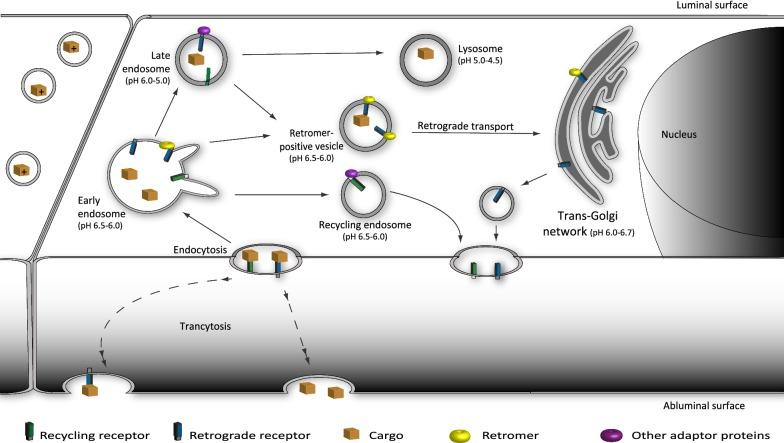
Brain endothelial cell-based in vitro models are among the most versatile tools in blood-brain barrier research for testing drug penetration to the central nervous system. Transcytosis of large pharmaceuticals across the brain capillary endothelium involves the complex endo-lysosomal system. This system consists of several types of vesicle, such as early, late and recycling endosomes, retromer-positive structures, and lysosomes. Since the endo-lysosomal system in endothelial cell lines of in vitro blood-brain barrier models has not been investigated in detail, our aim was to characterize this system in different models.
METHODS
For the investigation, we have chosen two widely-used models for in vitro drug transport studies: the bEnd.3 mouse and the hCMEC/D3 human brain endothelial cell line. We compared the structures and attributes of their endo-lysosomal system to that of primary porcine brain endothelial cells.
RESULTS
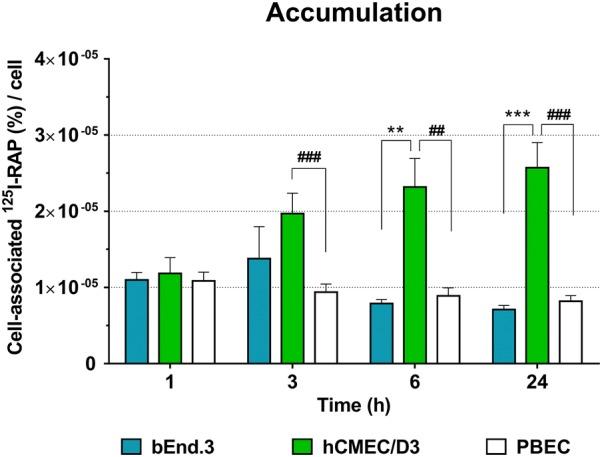
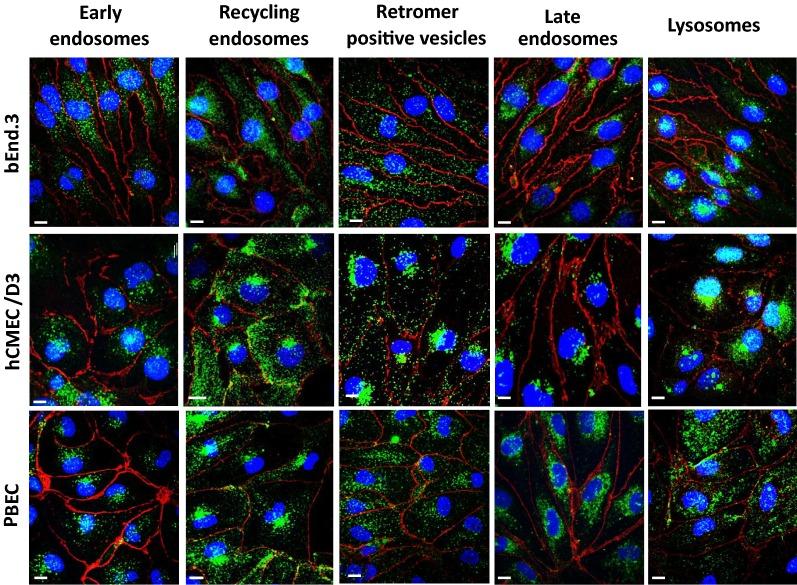
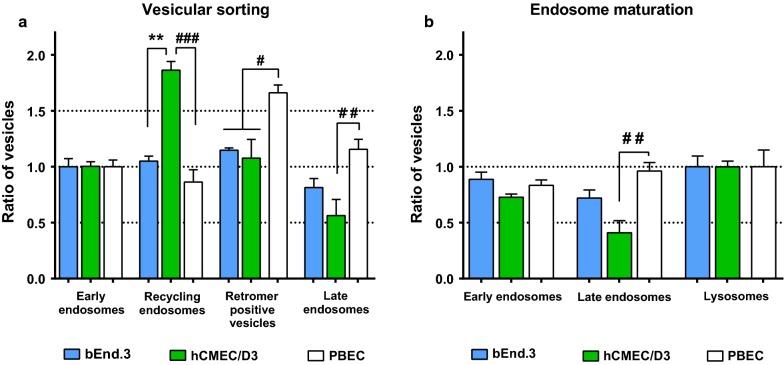
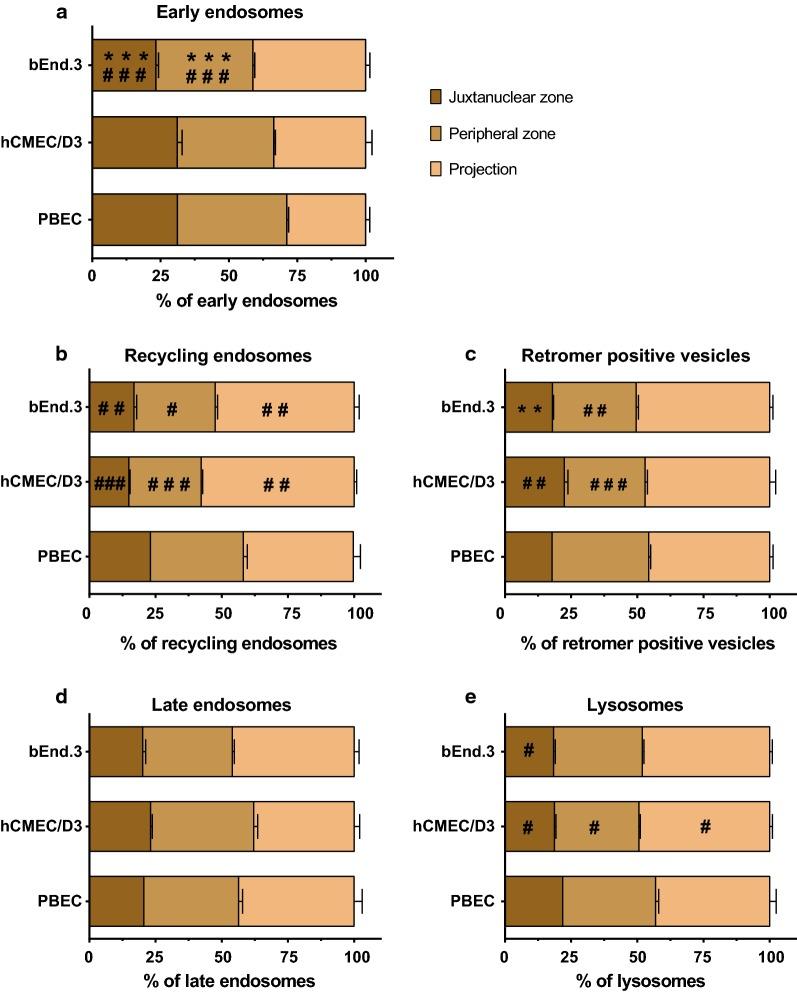
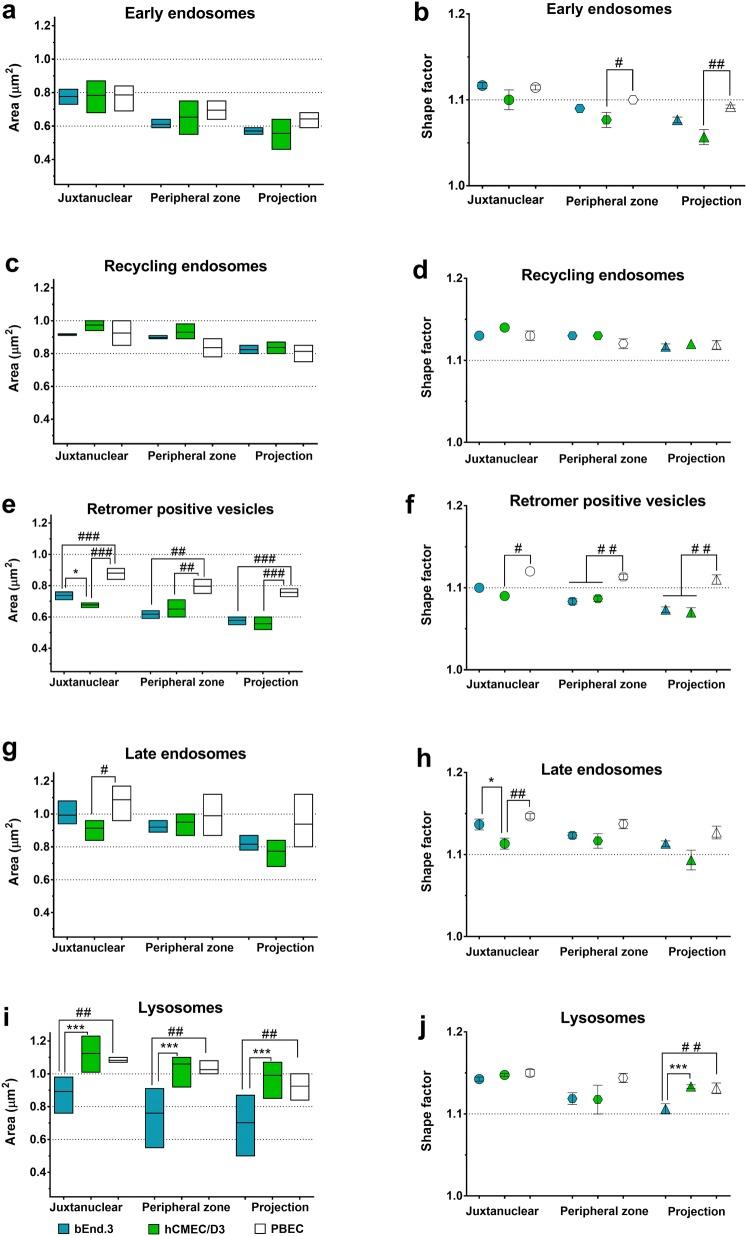
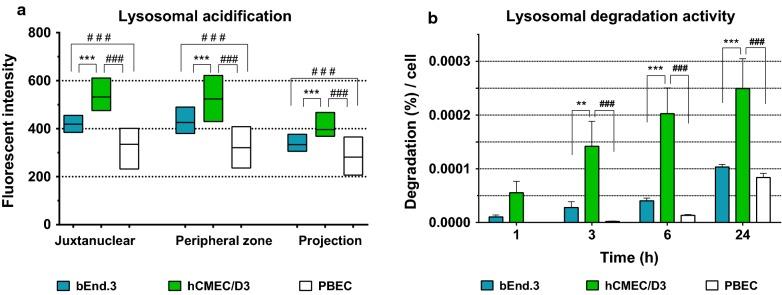
We detected significant differences in the vesicular network regarding number, morphology, subcellular distribution and lysosomal activity. The retromer-positive vesicles of the primary cells were distinct in many ways from those of the cell lines. However, the cell lines showed higher lysosomal degradation activity than the primary cells. Additionally, the hCMEC/D3 possessed a strikingly unique ratio of recycling endosomes to late endosomes.
CONCLUSIONS
Taken together our data identify differences in the trafficking network of brain endothelial cells, essentially mapping the endo-lysosomal system of in vitro blood-brain barrier models. This knowledge is valuable for planning the optimal route across the blood-brain barrier and advancing drug delivery to the brain.
背景
基于脑内皮细胞的体外模型是血脑屏障研究中最通用的工具之一,可用于测试药物穿透中枢神经系统的能力。大药物穿过脑毛细血管内皮细胞的转胞吞作用涉及到复杂的内体溶酶体系统。该系统由几种类型的囊泡组成,如早期、晚期和再循环内体、逆行转运体阳性结构和溶酶体。由于体外血脑屏障模型中脑内皮细胞系的内体溶酶体系统尚未被详细研究,我们的目的是对其进行特征分析。
方法
为了进行研究,我们选择了两种广泛用于药物转运研究的体外模型:bEnd.3 小鼠和 hCMEC/D3 人脑内皮细胞系。我们比较了它们的内体溶酶体系统与原代猪脑内皮细胞的结构和属性。
结果
我们在囊泡网络方面检测到了数量、形态、亚细胞分布和溶酶体活性的显著差异。原代细胞中的逆行转运体阳性囊泡在许多方面与细胞系中的囊泡不同。然而,细胞系比原代细胞表现出更高的溶酶体降解活性。此外,hCMEC/D3 细胞系的再循环内体与晚期内体的比例非常独特。
结论
综上所述,我们的数据确定了脑内皮细胞运输网络的差异,本质上描绘了体外血脑屏障模型的内体溶酶体系统。这一知识对于规划穿越血脑屏障的最佳途径和推进药物向脑内输送具有重要意义。
 Zotero 插件