
从 bench 到床边的综述:脓毒症中一氧化氮的治疗性调节——最新进展
Bench to bedside review: therapeutic modulation of nitric oxide in sepsis-an update.
作者信息
Lambden Simon
机构信息
Department of Medicine, Addenbrooke's Hospital, Cambridge University, 5th Floor, Cambridge, CB20QQ, UK.
出版信息
Intensive Care Med Exp. 2019 Dec 2;7(1):64. doi: 10.1186/s40635-019-0274-x.
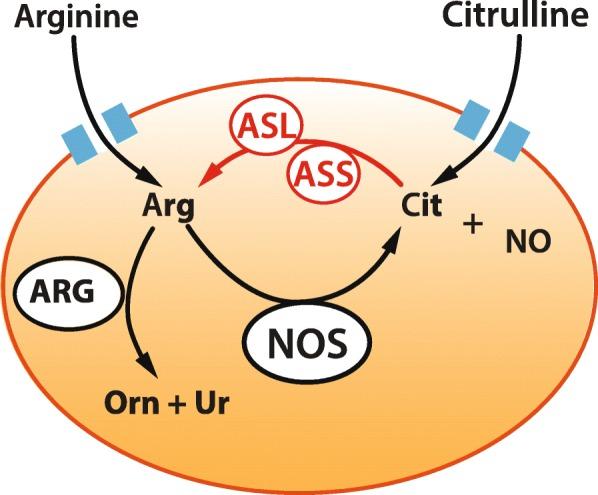
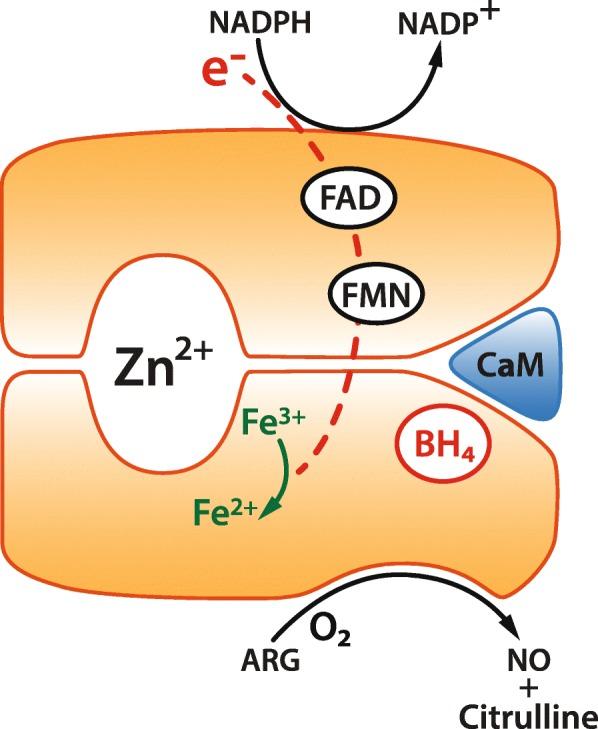
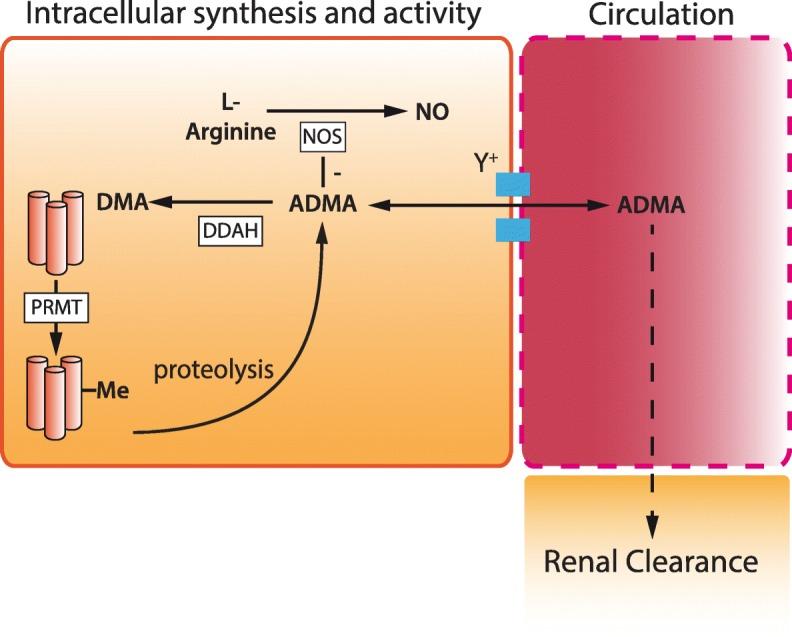
Nitric oxide is a signalling molecule with an extensive range of functions in both health and disease. Discovered in the 1980s through work that earned the Nobel prize, nitric oxide is an essential factor in regulating cardiovascular, immune, neurological and haematological function in normal homeostasis and in response to infection. Early work implicated exaggerated nitric oxide synthesis as a potentially important driver of septic shock; however, attempts to modulate production through global inhibition of nitric oxide synthase were associated with increased mortality. Subsequent work has shown that regulation of nitric oxide production is determined by numerous factors including substrate and co-factor availability and expression of endogenous regulators. In sepsis, nitric oxide synthesis is dysregulated with exaggerated production leading to cardiovascular dysfunction, bioenergetic failure and cellular toxicity whilst at the same time impaired microvascular function may be driven in part by reduced nitric oxide synthesis by the endothelium. This bench to bedside review summarises our current understanding of the ways in which nitric oxide production is regulated on a tissue and cellular level before discussing progress in translating these observations into novel therapeutic strategies for patients with sepsis.
一氧化氮是一种信号分子,在健康和疾病状态下均具有广泛的功能。它于20世纪80年代被发现,相关研究荣获诺贝尔奖。一氧化氮是正常体内平衡以及应对感染时调节心血管、免疫、神经和血液功能的重要因素。早期研究表明,一氧化氮合成过度可能是脓毒症休克的一个潜在重要驱动因素;然而,通过全面抑制一氧化氮合酶来调节其生成的尝试却与死亡率增加相关。后续研究表明,一氧化氮生成的调节取决于多种因素,包括底物和辅助因子的可利用性以及内源性调节因子的表达。在脓毒症中,一氧化氮合成失调,生成过度导致心血管功能障碍、生物能量衰竭和细胞毒性,与此同时,微血管功能受损可能部分是由内皮细胞一氧化氮合成减少所致。本从实验室到临床的综述总结了我们目前对组织和细胞水平上一氧化氮生成调节方式的理解,然后讨论了将这些观察结果转化为脓毒症患者新治疗策略方面的进展。
 Zotero 插件