
衰老相关肺纤维化中线粒体质量控制。
Mitochondrial Quality Control in Age-Related Pulmonary Fibrosis.
机构信息
Department of Medicine, Rutgers New Jersey Medical School, 185 S Orange Ave, Newark, NJ 07103, USA.
Center for Translational Medicine and Jane and Leonard Korman Lung Center, Thomas Jefferson University, Philadelphia, PA 19107, USA.
出版信息
Int J Mol Sci. 2020 Jan 18;21(2):643. doi: 10.3390/ijms21020643.
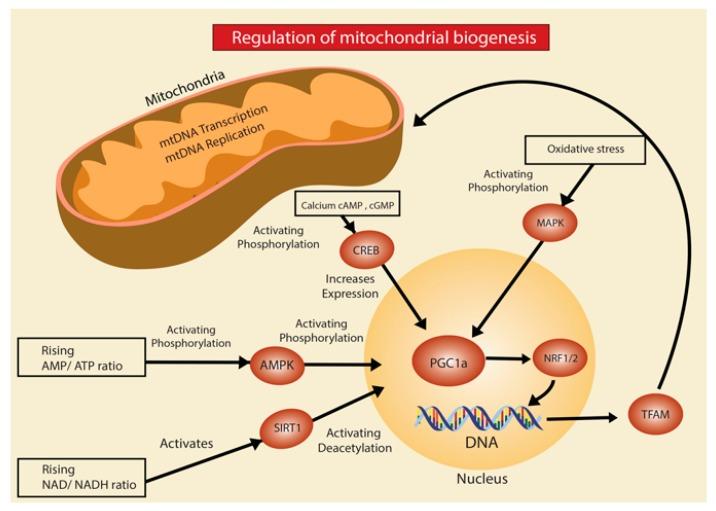
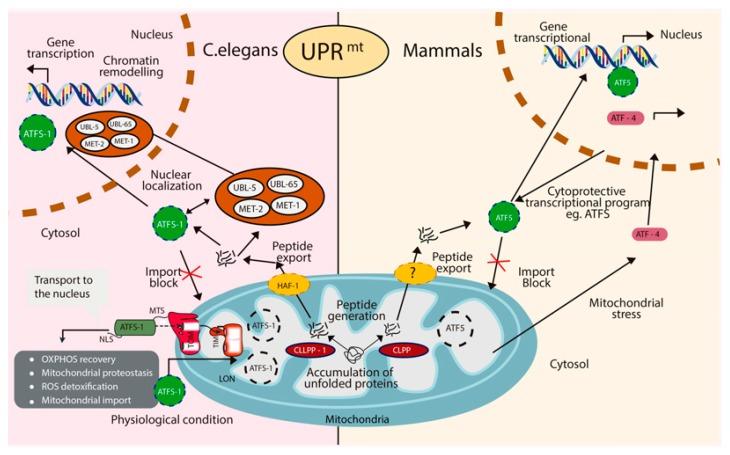
Idiopathic pulmonary fibrosis (IPF) is age-related interstitial lung disease of unknown etiology. About 100,000 people in the U.S have IPF, with a 3-year median life expectancy post-diagnosis. The development of an effective treatment for pulmonary fibrosis will require an improved understanding of its molecular pathogenesis and the "normal" and "pathological' hallmarks of the aging lung. An important characteristic of the aging organism is its lowered capacity to adapt quickly to, and counteract, disturbances. While it is likely that DNA damage, chronic endoplasmic reticulum (ER) stress, and accumulation of heat shock proteins are capable of initiating tissue repair, recent studies point to a pathogenic role for mitochondrial dysfunction in the development of pulmonary fibrosis. These studies suggest that damage to the mitochondria induces fibrotic remodeling through a variety of mechanisms including the activation of apoptotic and inflammatory pathways. Mitochondrial quality control (MQC) has been demonstrated to play an important role in the maintenance of mitochondrial homeostasis. Different factors can induce MQC, including mitochondrial DNA damage, proteostasis dysfunction, and mitochondrial protein translational inhibition. MQC constitutes a complex signaling response that affects mitochondrial biogenesis, mitophagy, fusion/fission and the mitochondrial unfolded protein response (UPRmt) that, together, can produce new mitochondria, degrade the components of the oxidative complex or clearance the entire organelle. In pulmonary fibrosis, defects in mitophagy and mitochondrial biogenesis have been implicated in both cellular apoptosis and senescence during tissue repair. MQC has also been found to have a role in the regulation of other protein activity, inflammatory mediators, latent growth factors, and anti-fibrotic growth factors. In this review, we delineated the role of MQC in the pathogenesis of age-related pulmonary fibrosis.
特发性肺纤维化(IPF)是一种病因不明的与年龄相关的间质性肺疾病。美国约有 10 万人患有 IPF,诊断后中位生存期为 3 年。开发有效的肺纤维化治疗方法需要更好地了解其分子发病机制以及衰老肺的“正常”和“病理性”特征。衰老机体的一个重要特征是其快速适应和抵抗干扰的能力降低。虽然 DNA 损伤、慢性内质网(ER)应激和热休克蛋白积累可能引发组织修复,但最近的研究表明线粒体功能障碍在肺纤维化的发展中具有致病性作用。这些研究表明,线粒体损伤通过多种机制诱导纤维化重塑,包括激活凋亡和炎症途径。已经证明线粒体质量控制(MQC)在维持线粒体稳态方面发挥着重要作用。不同的因素可以诱导 MQC,包括线粒体 DNA 损伤、蛋白质稳态功能障碍和线粒体蛋白翻译抑制。MQC 构成了一个复杂的信号反应,影响线粒体生物发生、线粒体自噬、融合/裂变以及线粒体未折叠蛋白反应(UPRmt),这些反应共同产生新的线粒体,降解氧化复合物的成分或清除整个细胞器。在肺纤维化中,自噬和线粒体生物发生的缺陷与组织修复过程中的细胞凋亡和衰老有关。MQC 还被发现在调节其他蛋白活性、炎症介质、潜伏生长因子和抗纤维化生长因子方面发挥作用。在这篇综述中,我们阐述了 MQC 在与年龄相关的肺纤维化发病机制中的作用。


 Zotero 插件