
昆虫肠道细菌的主要作用:消化、解毒,还是提供必需营养素?
Most dominant roles of insect gut bacteria: digestion, detoxification, or essential nutrient provision?
机构信息
School of Forestry, Northeast Forestry University, Harbin, 150040, China.
School of Life Sciences, Northeast Forestry University, Harbin, 150040, China.
出版信息
Microbiome. 2020 Mar 16;8(1):38. doi: 10.1186/s40168-020-00823-y.
BACKGROUND
The insect gut microbiota has been shown to contribute to the host's digestion, detoxification, development, pathogen resistance, and physiology. However, there is poor information about the ranking of these roles. Most of these results were obtained with cultivable bacteria, whereas the bacterial physiology may be different between free-living and midgut-colonizing bacteria. In this study, we provided both proteomic and genomic evidence on the ranking of the roles of gut bacteria by investigating the anal droplets from a weevil, Cryptorhynchus lapathi.
RESULTS
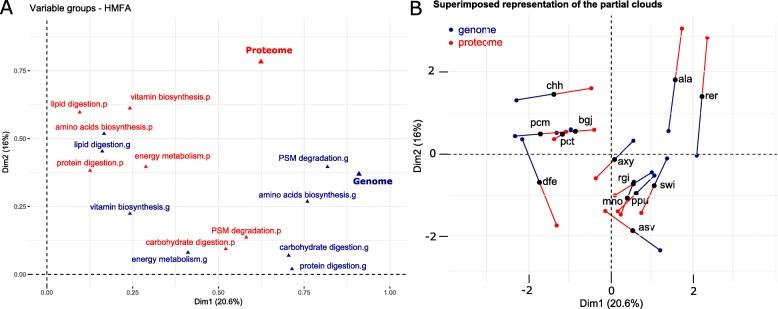
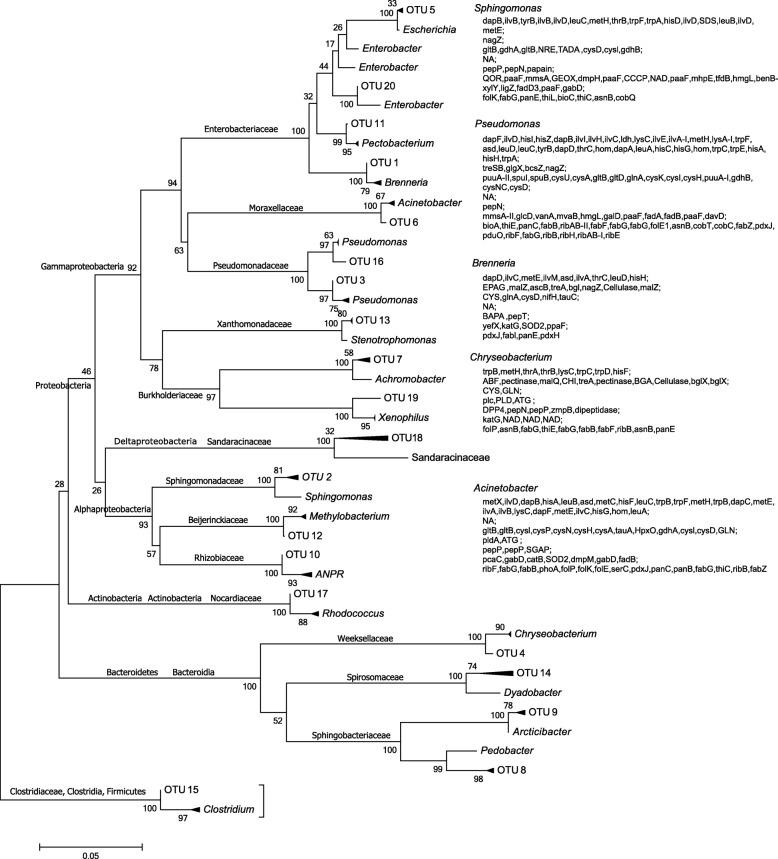
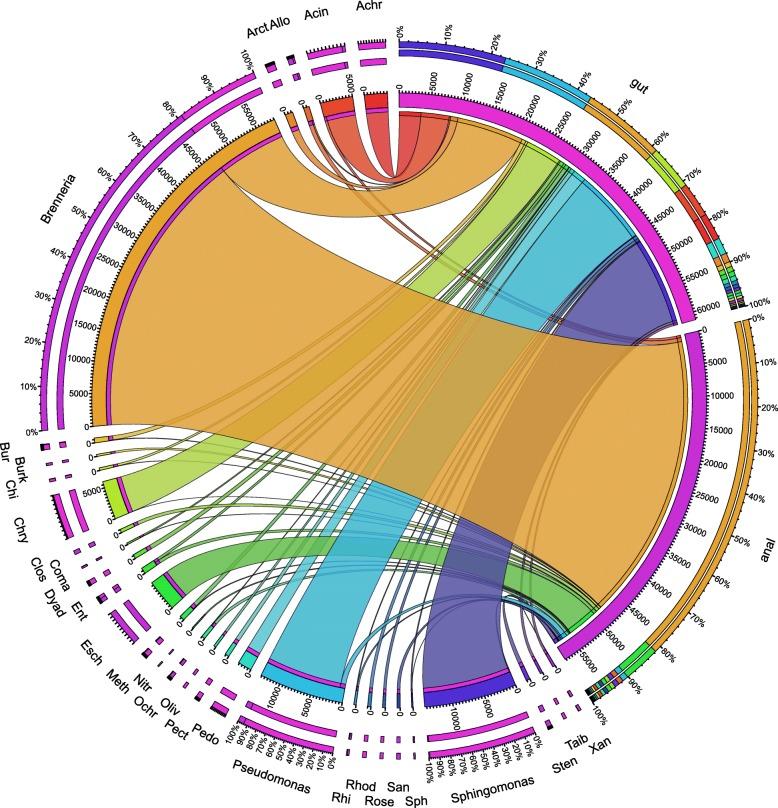
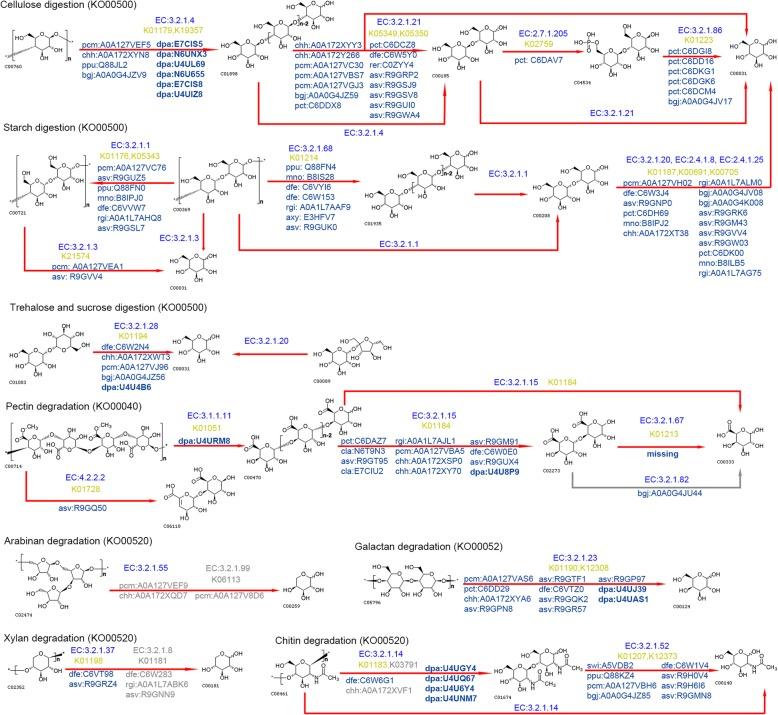
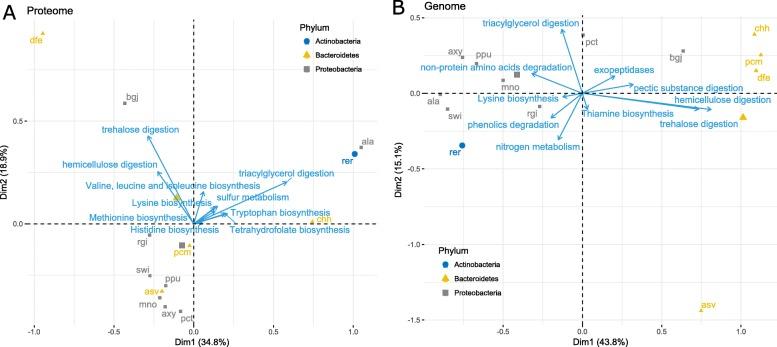
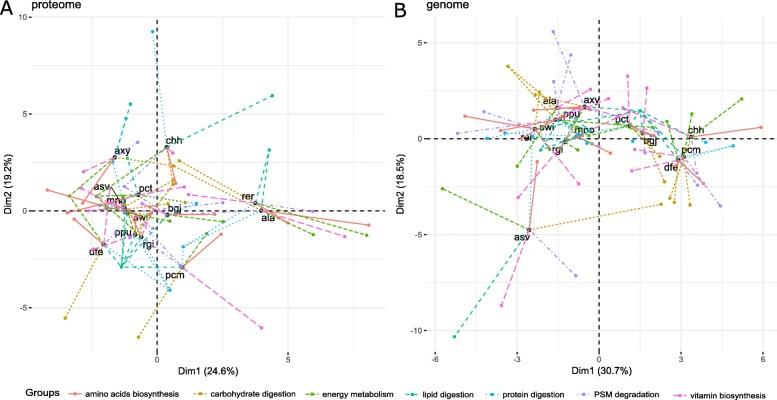
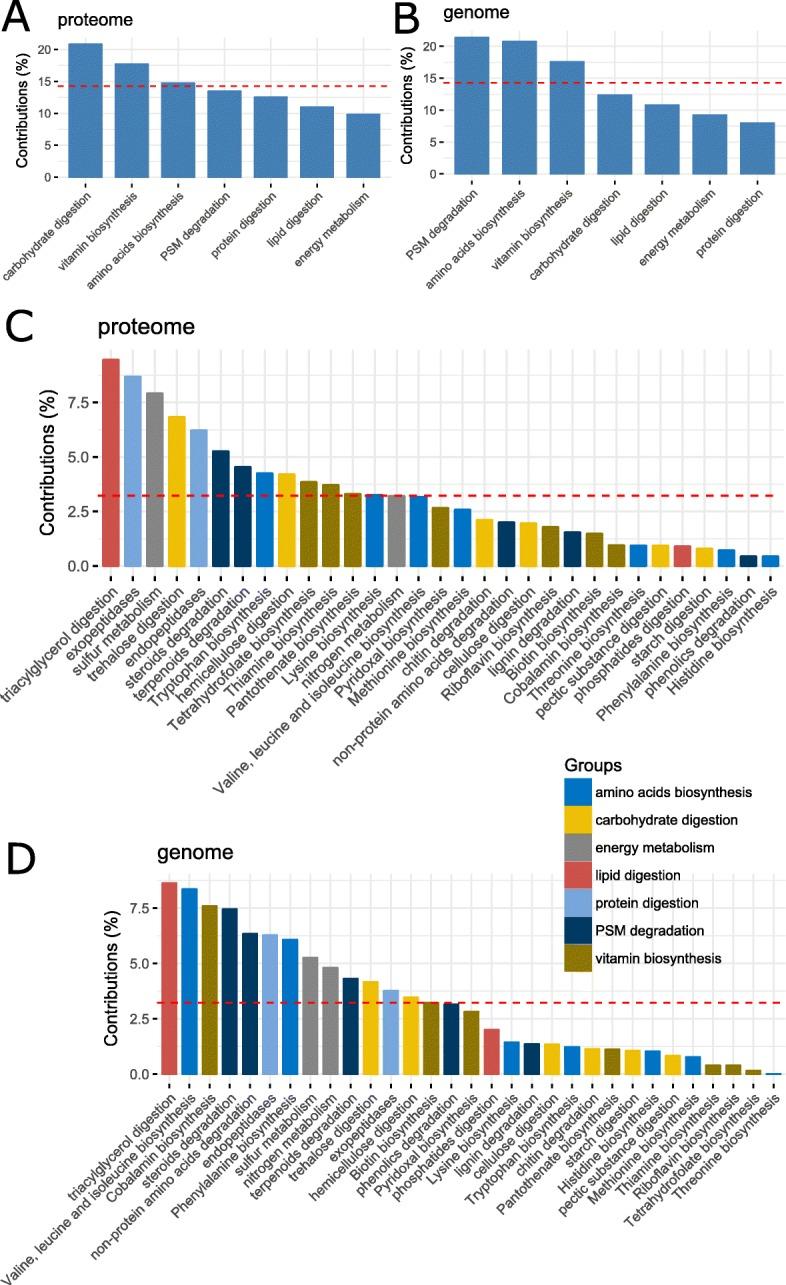
The gut lumen and the anal droplets showed qualitatively and quantitatively different subsets of bacterial communities. The results of 16S rRNA sequencing showed that the gut lumen is dominated by Proteobacteria and Bacteroidetes, whereas the anal droplets are dominated by Proteobacteria. From the anal droplets, enzymes involved in 31 basic roles that belong to 7 super roles were identified by Q-TOF MS. The cooperation between the weevil and its gut bacteria was determined by reconstructing community pathway maps, which are defined in this study. A score was used to rank the gut bacterial roles. The results from the proteomic data indicate that the most dominant role of gut bacteria is amino acid biosynthesis, followed by protein digestion, energy metabolism, vitamin biosynthesis, lipid digestion, plant secondary metabolite (PSM) degradation, and carbohydrate digestion, while the order from the genomic data is amino acid biosynthesis, vitamin biosynthesis, lipid digestion, energy metabolism, protein digestion, PSM degradation, and carbohydrate digestion. The PCA results showed that the gut bacteria form functional groups from the point of view of either the basic role or super role, and the MFA results showed that there are functional variations among gut bacteria. In addition, the variations between the proteomic and genomic data, analyzed with the HMFA method from the point of view of either the bacterial community or individual bacterial species, are presented.
CONCLUSION
The most dominant role of gut bacteria is essential nutrient provisioning, followed by digestion and detoxification. The weevil plays a pioneering role in diet digestion and mainly digests macromolecules into smaller molecules which are then mainly digested by gut bacteria.
背景
昆虫肠道微生物群已被证明有助于宿主的消化、解毒、发育、病原体抗性和生理功能。然而,这些作用的排序信息很差。这些结果大多是通过可培养细菌获得的,而自由生活和中肠定殖细菌的细菌生理学可能不同。在这项研究中,我们通过调查象甲 Cryptorhynchus lapathi 的肛门分泌物,提供了肠道细菌作用排序的蛋白质组学和基因组学证据。
结果
肠道腔和肛门分泌物显示出细菌群落具有定性和定量不同的子集。16S rRNA 测序结果表明,肠道腔主要由变形菌门和拟杆菌门主导,而肛门分泌物主要由变形菌门主导。从肛门分泌物中,通过 Q-TOF MS 鉴定出属于 7 个超级角色的 31 个基本角色的酶。通过重建社区途径图谱来确定象甲与其肠道细菌之间的合作关系,这在本研究中进行了定义。使用评分对肠道细菌的作用进行排序。蛋白质组学数据的结果表明,肠道细菌的最主要作用是氨基酸合成,其次是蛋白质消化、能量代谢、维生素合成、脂质消化、植物次生代谢物(PSM)降解和碳水化合物消化,而从基因组数据来看,顺序是氨基酸合成、维生素合成、脂质消化、能量代谢、蛋白质消化、PSM 降解和碳水化合物消化。PCA 结果表明,从基本作用或超级作用的角度来看,肠道细菌形成功能群,MFA 结果表明肠道细菌之间存在功能变化。此外,从细菌群落或单个细菌物种的角度,使用 HMFA 方法分析蛋白质组学和基因组学数据之间的差异。
结论
肠道细菌的最主要作用是提供必需的营养物质,其次是消化和解毒。象甲在饮食消化方面发挥了开拓性作用,主要将大分子物质消化成较小的分子,然后主要由肠道细菌进行消化。
 Zotero 插件