
瑞舒伐他汀通过上调低密度脂蛋白受体增强NK细胞的VSV-G慢病毒转导。
Rosuvastatin Enhances VSV-G Lentiviral Transduction of NK Cells via Upregulation of the Low-Density Lipoprotein Receptor.
作者信息
Gong Ying, Klein Wolterink Roel G J, Janssen Ian, Groot Arjan J, Bos Gerard M J, Germeraad Wilfred T V
机构信息
Department of Internal Medicine, Division of Hematology, Maastricht University Medical Center+, Maastricht, the Netherlands.
GROW - School for Oncology and Developmental Biology, Maastricht University, Maastricht, the Netherlands.
出版信息
Mol Ther Methods Clin Dev. 2020 Mar 29;17:634-646. doi: 10.1016/j.omtm.2020.03.017. eCollection 2020 Jun 12.
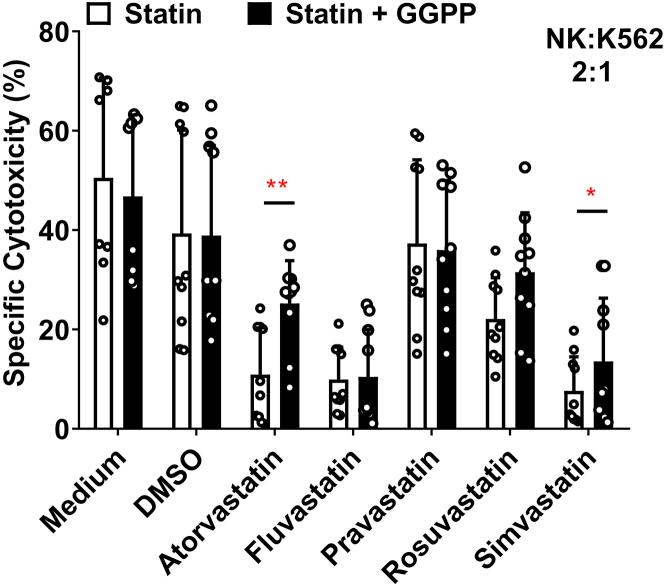
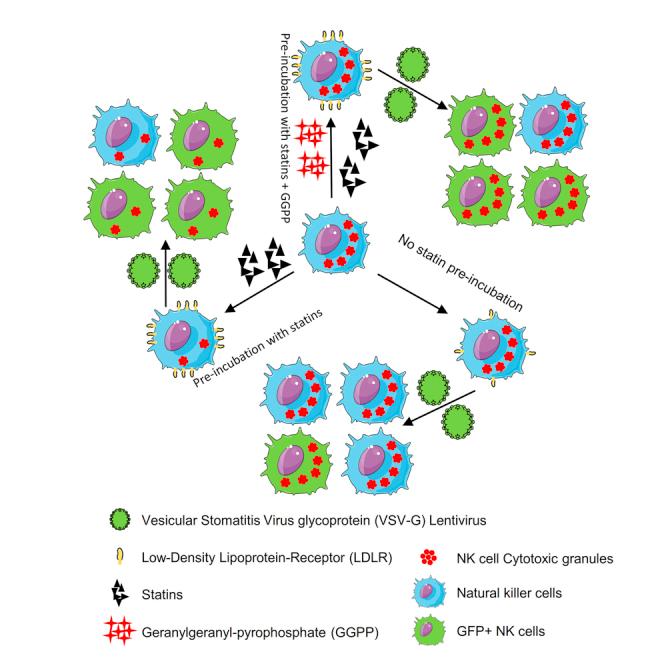
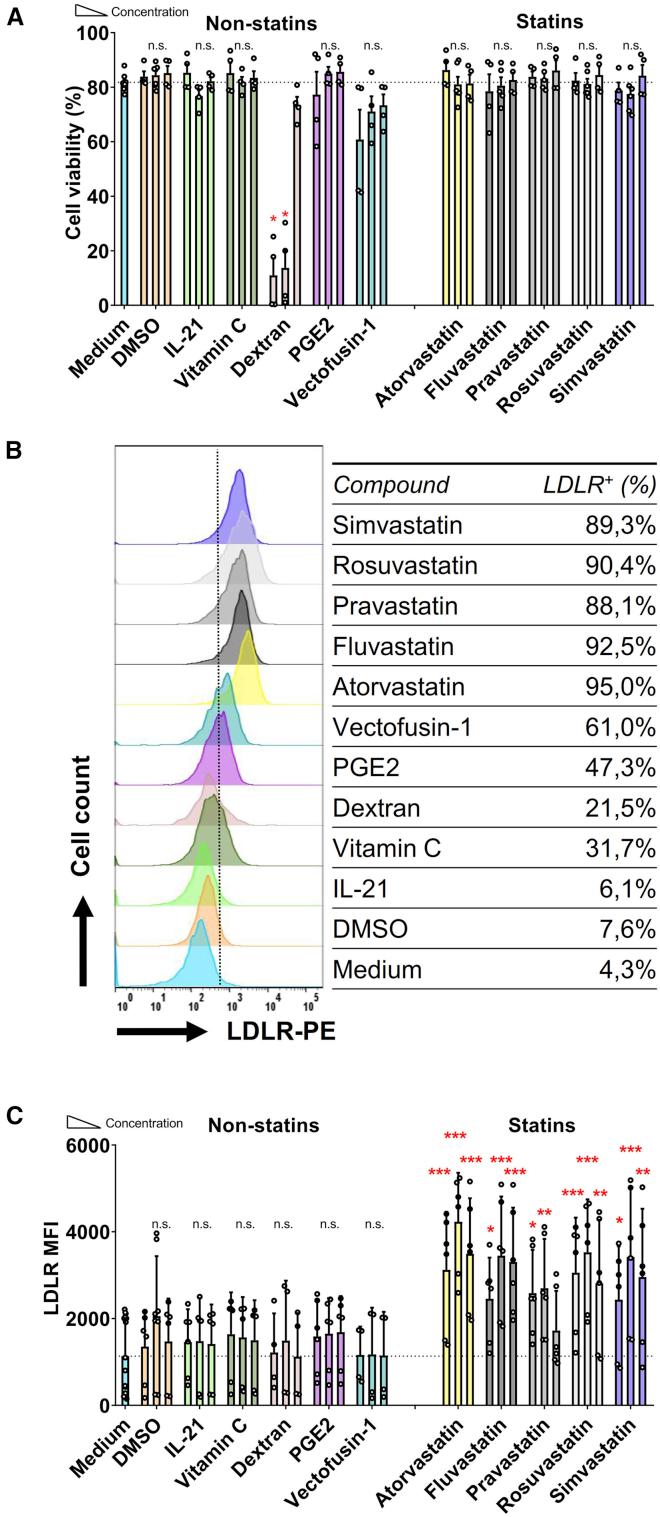
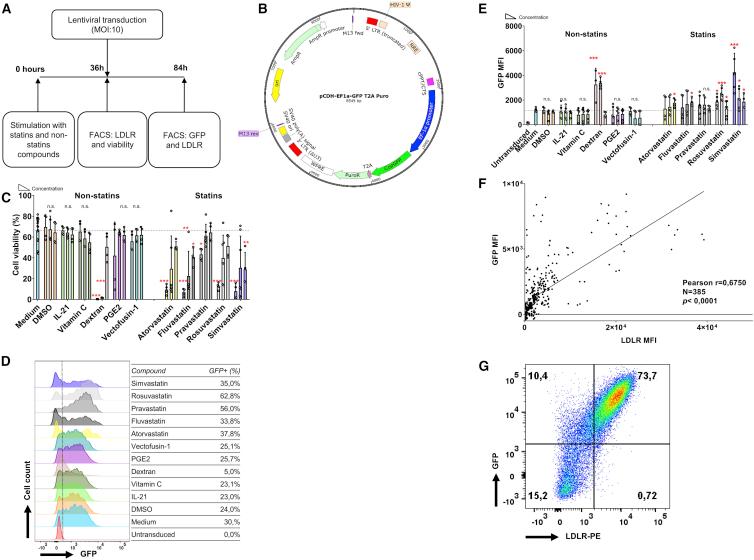
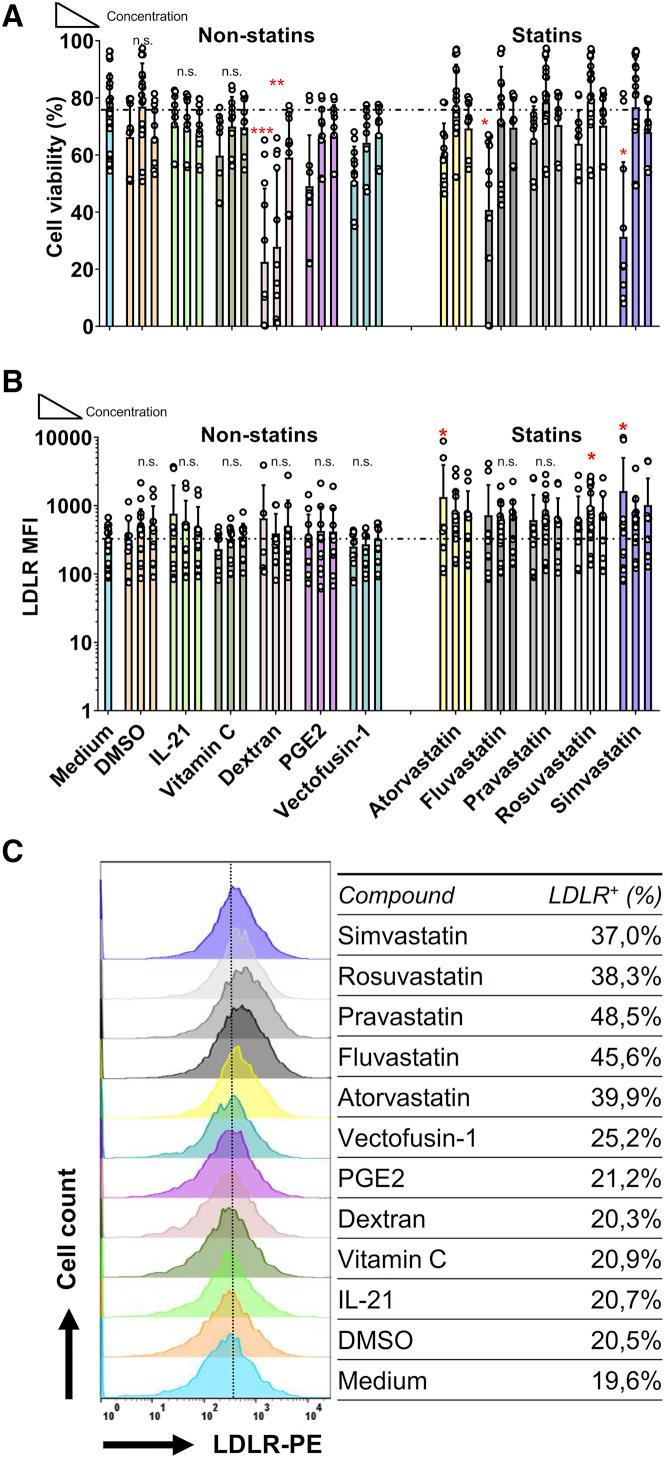
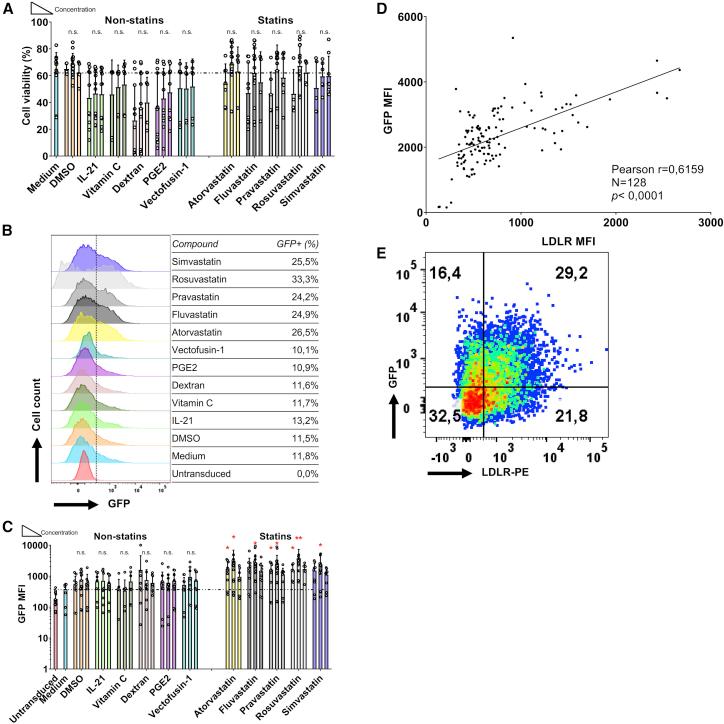
Adoptive natural killer (NK) cell therapy is attaining promising clinical outcomes in recent years, but improvements are needed. Genetic modification of NK cells with a tumor antigen-specific receptor on their surface coupled to intracellular signaling domains may lead to enhanced cytotoxicity against malignant cells. One of the most common approaches is by lentivirus-mediated transduction. However, NK cells are difficult to transduce and various methods have been attempted with different success rates. Because the low-density lipoprotein-receptor (LDLR) is the receptor of vesicular stomatitis virus (VSV) and is expressed only at low levels on NK cells, we tested the potential of 5 statins and 5 non-statin compounds to increase the LDLR expression, thereby facilitating viral transduction. We found that the transduction efficiency of VSV-G pseudotyped lentivirus is augmented by statins that induced higher LDLR expression. In both NK-92 cells and primary NK cells, the transduction efficiency increased after treatment with statins. Furthermore, statins have been reported to suppress NK cell cytotoxicity; however, we showed that this can be completely reversed by adding geranylgeranyl-pyrophosphate (GGPP). Among the statins tested, we found that the combination of rosuvastatin with GGPP most potently improved viral transduction without affecting the cytotoxic properties of the NK cells.
过继性自然杀伤(NK)细胞疗法近年来取得了有前景的临床疗效,但仍需改进。对NK细胞进行基因改造,使其表面带有与细胞内信号结构域偶联的肿瘤抗原特异性受体,可能会增强对恶性细胞的细胞毒性。最常见的方法之一是通过慢病毒介导的转导。然而,NK细胞难以转导,人们尝试了各种方法,成功率各不相同。由于低密度脂蛋白受体(LDLR)是水泡性口炎病毒(VSV)的受体,且在NK细胞上仅低水平表达,我们测试了5种他汀类药物和5种非他汀类化合物增加LDLR表达的潜力,从而促进病毒转导。我们发现,诱导更高LDLR表达的他汀类药物可提高VSV-G假型慢病毒的转导效率。在NK-92细胞和原代NK细胞中,用他汀类药物处理后转导效率均增加。此外,据报道他汀类药物可抑制NK细胞的细胞毒性;然而,我们表明通过添加香叶基香叶基焦磷酸(GGPP)可以完全逆转这种情况。在测试的他汀类药物中,我们发现瑞舒伐他汀与GGPP的组合最有效地改善了病毒转导,同时不影响NK细胞的细胞毒性特性。


 Zotero 插件