
与免疫浸润相关的LPAR1是前列腺癌中一种潜在的预后生物标志物。
LPAR1, Correlated With Immune Infiltrates, Is a Potential Prognostic Biomarker in Prostate Cancer.
作者信息
Shi Jingqi, Jiang Dongbo, Yang Shuya, Zhang Xiyang, Wang Jing, Liu Yang, Sun Yuanjie, Lu Yuchen, Yang Kun
机构信息
Department of Immunology, The Fourth Military Medical University, Xi'an, China.
School of Basic Medicine, The Fourth Military Medical University, Xi'an, China.
出版信息
Front Oncol. 2020 Jun 10;10:846. doi: 10.3389/fonc.2020.00846. eCollection 2020.
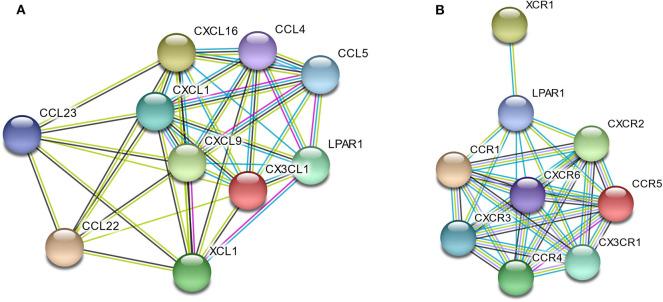
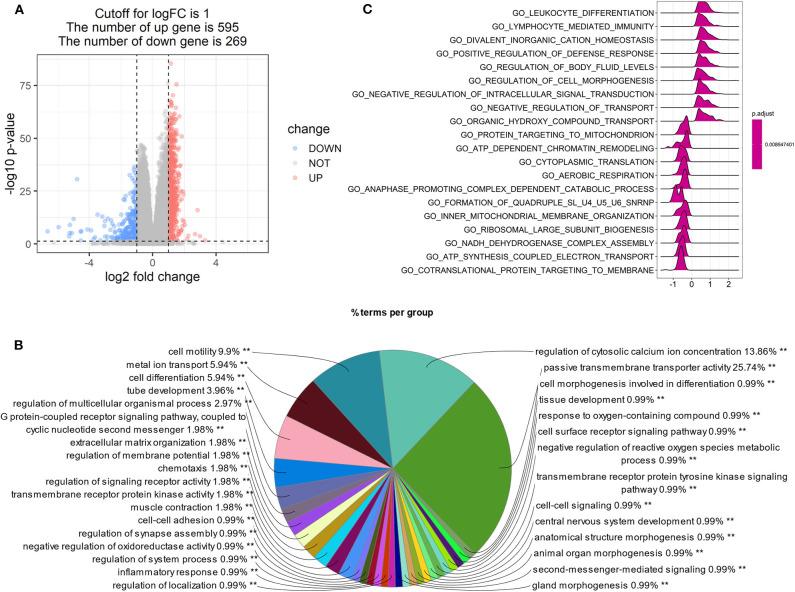
Prostate cancer is a common malignancy in men worldwide. Lysophosphatidic acid receptor 1 (LPAR1) is a critical gene and it mediates diverse biologic functions in tumor. However, the correlation between LPAR1 and prognosis in prostate cancer, as well as the potential mechanism, remains unclear. In the present study, LPAR1 expression analysis was based on The Cancer Genome Atlas (TCGA) and the Oncomine database. The correlation of LPAR1 on prognosis was also analyzed based on R studio. The association between LPAR1 and tumor-infiltrating immune cells were evaluated in the Tumor Immune Estimation Resource site, ssGSEA, and MCPcounter packages in R studio. Gene Set Enrichment Analysis and Gene Ontology analysis were used to analyze the function of LPAR1. TCGA datasets and the Oncomine database revealed that LPAR1 was significantly downregulated in prostate cancer. High LPAR1 expression was correlated with favorable overall survival. LPAR1 was involved in the activation, proliferation, differentiation, and migration of immune cells, and its expression was positively correlated with immune infiltrates, including CD4+ T cells, B cells, CD8+ T cells, neutrophils, macrophages, dendritic cells, and natural killer cells. Moreover, LPAR1 expression was positively correlated with those chemokine/chemokine receptors, indicating that LPAR1 may regulate the migration of immune cells. In summary, LPAR1 is a potential prognostic biomarker and plays an important part in immune infiltrates in prostate cancer.
前列腺癌是全球男性中常见的恶性肿瘤。溶血磷脂酸受体1(LPAR1)是一个关键基因,它在肿瘤中介导多种生物学功能。然而,LPAR1与前列腺癌预后之间的相关性以及潜在机制仍不清楚。在本研究中,基于癌症基因组图谱(TCGA)和Oncomine数据库进行LPAR1表达分析。还基于R studio分析LPAR1与预后的相关性。在R studio的肿瘤免疫评估资源网站、单样本基因集富集分析(ssGSEA)和MCPcounter软件包中评估LPAR1与肿瘤浸润免疫细胞之间的关联。使用基因集富集分析和基因本体分析来分析LPAR1的功能。TCGA数据集和Oncomine数据库显示,LPAR1在前列腺癌中显著下调。高LPAR1表达与良好的总生存期相关。LPAR1参与免疫细胞的激活、增殖、分化和迁移,其表达与免疫浸润呈正相关,包括CD4 + T细胞、B细胞、CD8 + T细胞、中性粒细胞、巨噬细胞、树突状细胞和自然杀伤细胞。此外,LPAR1表达与那些趋化因子/趋化因子受体呈正相关,表明LPAR1可能调节免疫细胞的迁移。总之,LPAR1是一种潜在的预后生物标志物,在前列腺癌的免疫浸润中起重要作用。




 Zotero 插件