
靶向 BRAF 二聚体的别构抑制剂。
Inhibitors of BRAF dimers using an allosteric site.
机构信息
Department of Biochemistry, Albert Einstein College of Medicine, Bronx, NY, USA.
Department of Medicine, Albert Einstein College of Medicine, Bronx, NY, USA.
出版信息
Nat Commun. 2020 Sep 1;11(1):4370. doi: 10.1038/s41467-020-18123-2.
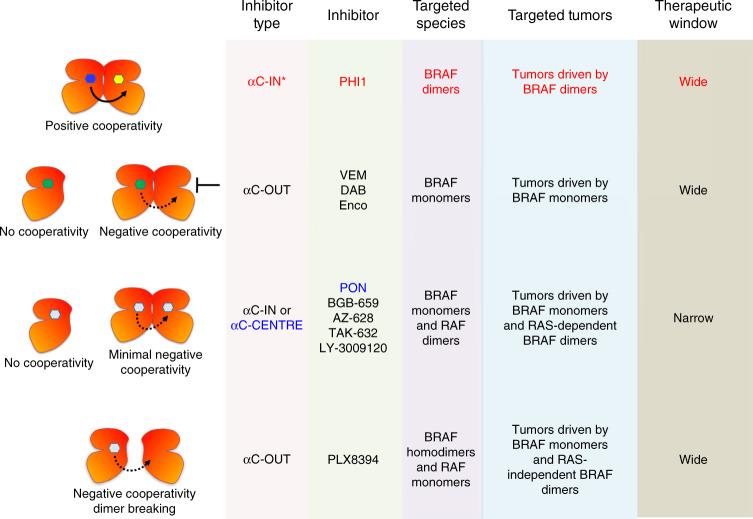
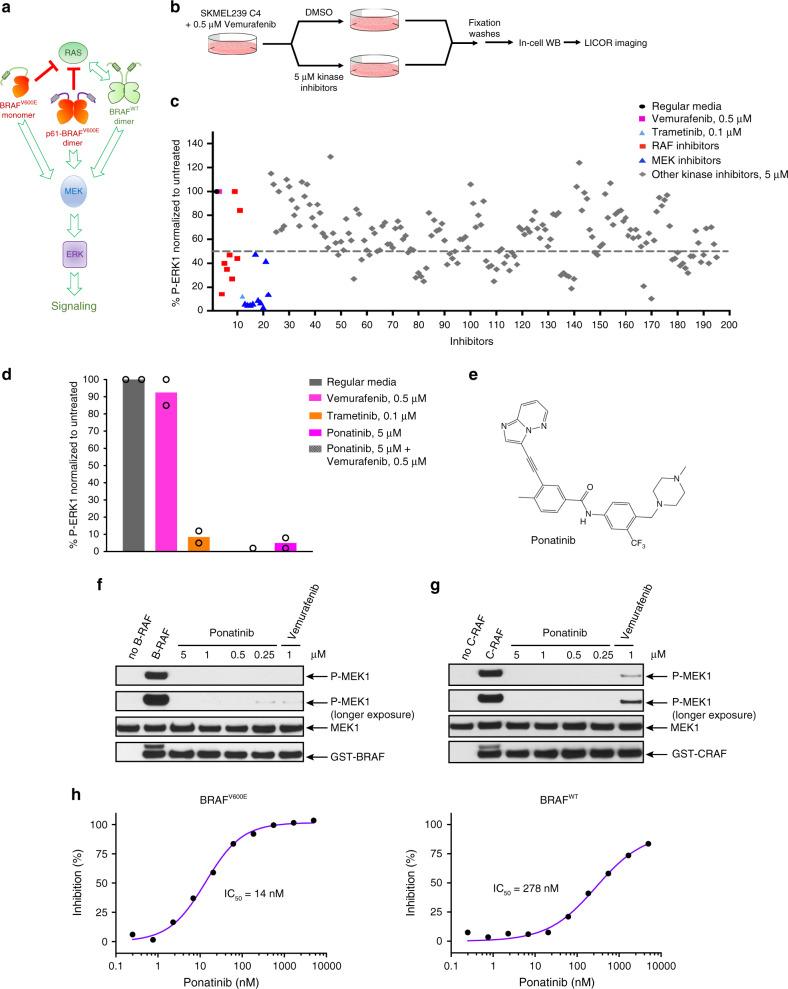
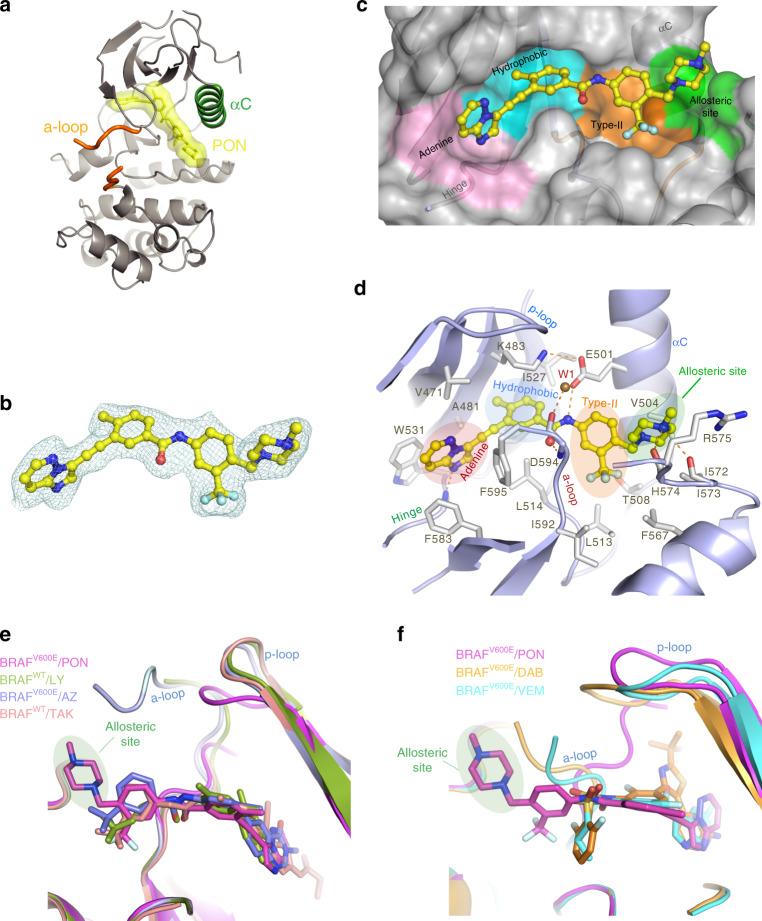
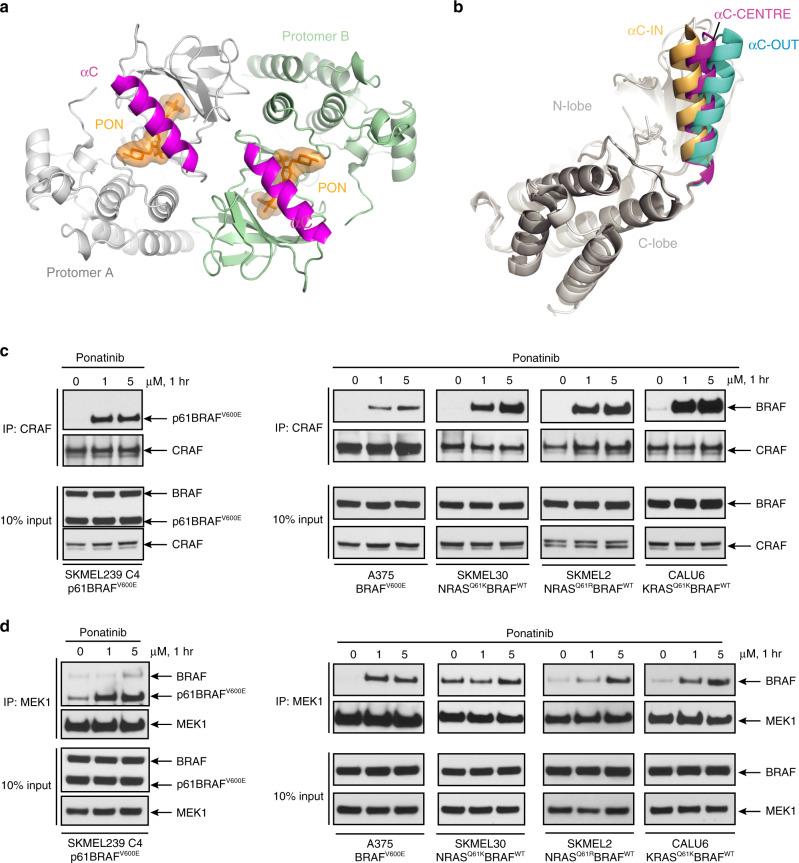
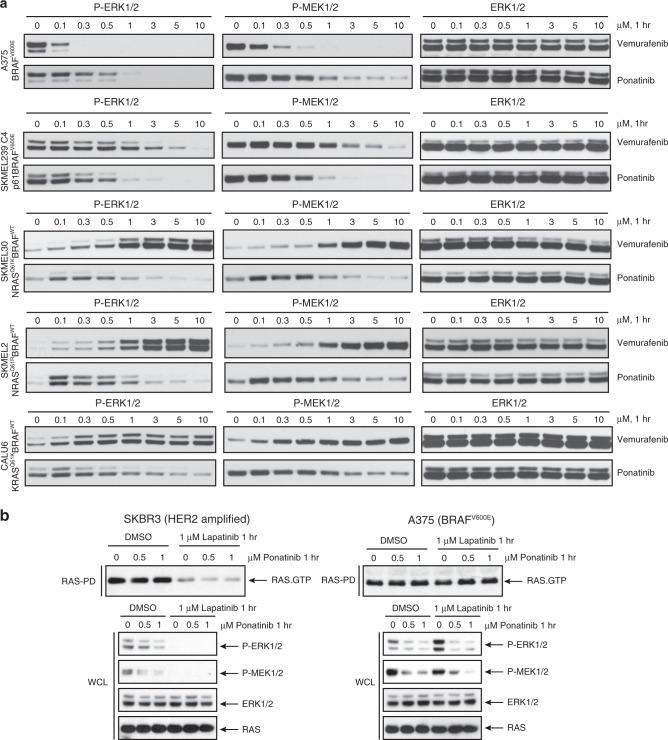
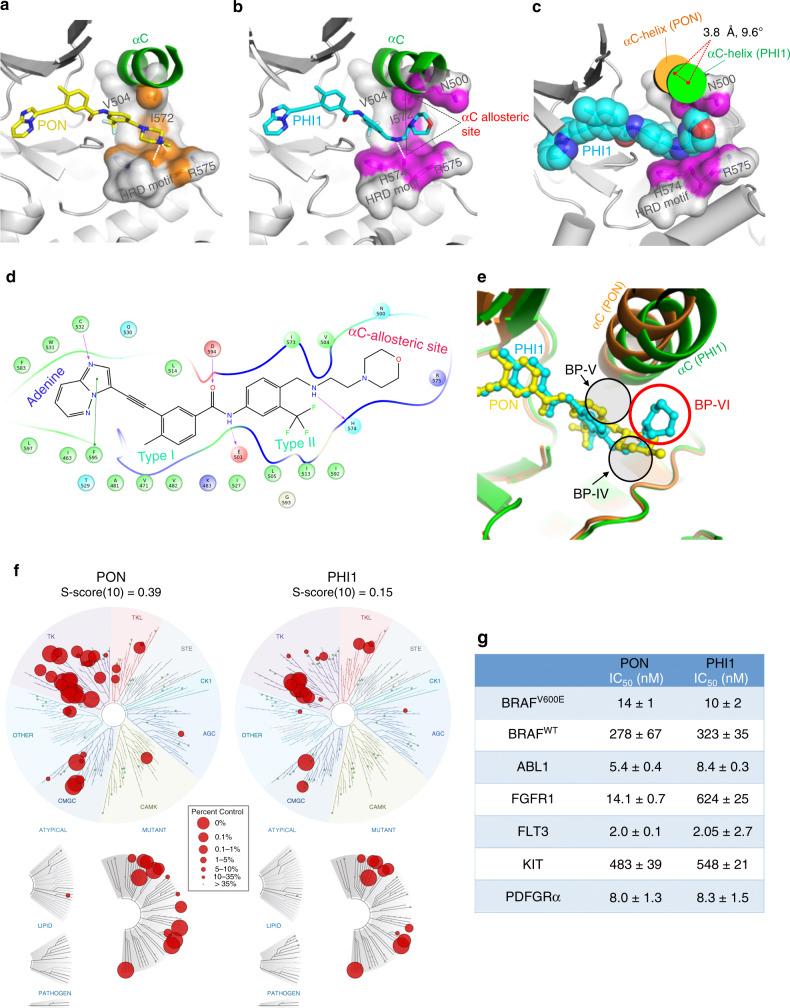
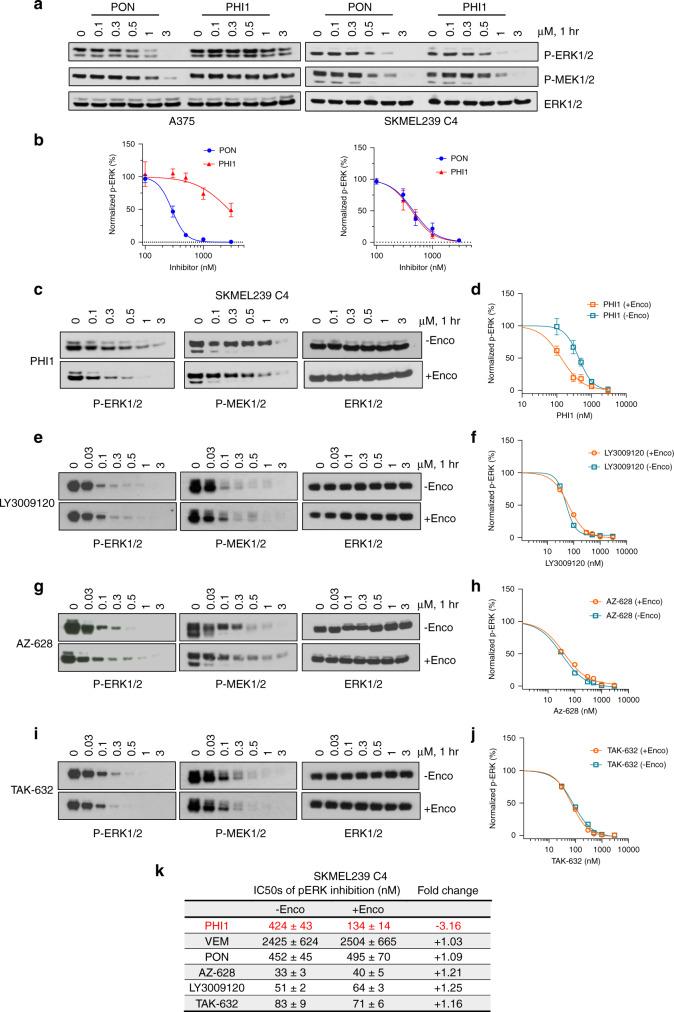
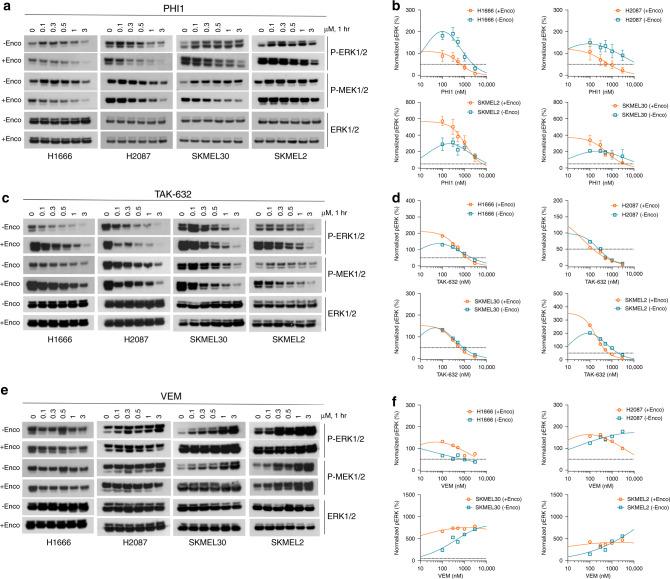
BRAF kinase, a critical effector of the ERK signaling pathway, is hyperactivated in many cancers. Oncogenic BRAF signals as an active monomer in the absence of active RAS, however, in many tumors BRAF dimers mediate ERK signaling. FDA-approved RAF inhibitors poorly inhibit BRAF dimers, which leads to tumor resistance. We found that Ponatinib, an FDA-approved drug, is an effective inhibitor of BRAF monomers and dimers. Ponatinib binds the BRAF dimer and stabilizes a distinct αC-helix conformation through interaction with a previously unrevealed allosteric site. Using these structural insights, we developed PHI1, a BRAF inhibitor that fully uncovers the allosteric site. PHI1 exhibits discrete cellular selectivity for BRAF dimers, with enhanced inhibition of the second protomer when the first protomer is occupied, comprising a novel class of dimer selective inhibitors. This work shows that Ponatinib and BRAF dimer selective inhibitors will be useful in treating BRAF-dependent tumors.
BRAF 激酶是 ERK 信号通路的关键效应因子,在许多癌症中过度激活。然而,在许多肿瘤中,致癌 BRAF 作为无活性 RAS 的活性单体信号转导,二聚体介导 ERK 信号转导。已批准的 FDA RAF 抑制剂对 BRAF 二聚体的抑制作用很差,导致肿瘤耐药。我们发现,已批准的 FDA 药物 Ponatinib 是一种有效的 BRAF 单体和二聚体抑制剂。Ponatinib 通过与先前未揭示的变构位点相互作用,结合 BRAF 二聚体并稳定独特的αC-螺旋构象。利用这些结构见解,我们开发了 PHI1,这是一种 BRAF 抑制剂,可完全揭示变构位点。PHI1 对 BRAF 二聚体表现出离散的细胞选择性,当第一个原药被占据时,对第二个原药的抑制增强,构成了一类新的二聚体选择性抑制剂。这项工作表明,Ponatinib 和 BRAF 二聚体选择性抑制剂将有助于治疗依赖 BRAF 的肿瘤。
 Zotero 插件