
疫苗开发中的新兴概念和技术。
Emerging Concepts and Technologies in Vaccine Development.
机构信息
Biochemistry, Molecular Biology, and Biophysics Graduate Program, University of Minnesota Twin Cities, St. Paul, MN, United States.
Department of Veterinary & Biomedical Sciences, University of Minnesota Twin Cities, St. Paul, MN, United States.
出版信息
Front Immunol. 2020 Sep 30;11:583077. doi: 10.3389/fimmu.2020.583077. eCollection 2020.
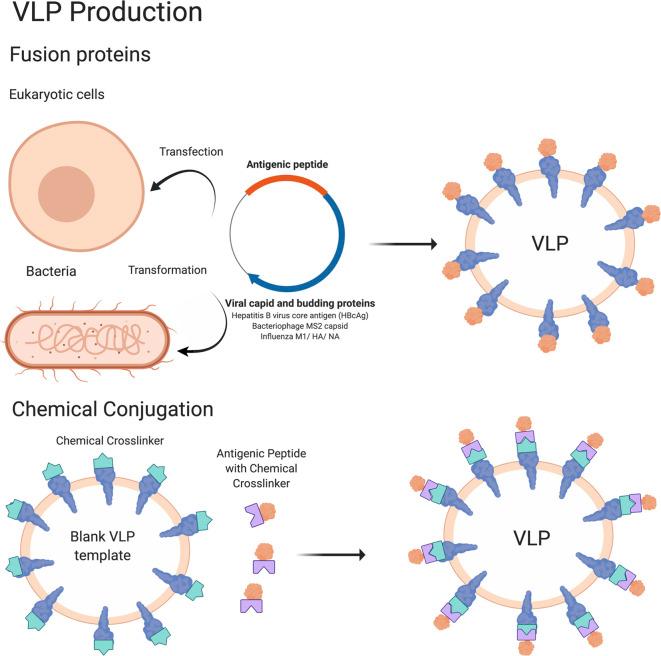
Despite the success of vaccination to greatly mitigate or eliminate threat of diseases caused by pathogens, there are still known diseases and emerging pathogens for which the development of successful vaccines against them is inherently difficult. In addition, vaccine development for people with compromised immunity and other pre-existing medical conditions has remained a major challenge. Besides the traditional inactivated or live attenuated, virus-vectored and subunit vaccines, emerging non-viral vaccine technologies, such as viral-like particle and nanoparticle vaccines, DNA/RNA vaccines, and rational vaccine design, offer innovative approaches to address existing challenges of vaccine development. They have also significantly advanced our understanding of vaccine immunology and can guide future vaccine development for many diseases, including rapidly emerging infectious diseases, such as COVID-19, and diseases that have not traditionally been addressed by vaccination, such as cancers and substance abuse. This review provides an integrative discussion of new non-viral vaccine development technologies and their use to address the most fundamental and ongoing challenges of vaccine development.
尽管疫苗接种的成功大大减轻或消除了病原体引起的疾病的威胁,但仍有一些已知的疾病和新出现的病原体,针对它们开发成功的疫苗具有内在的困难。此外,针对免疫功能受损者和其他现有医疗条件的人群开发疫苗仍然是一个主要挑战。除了传统的灭活或减毒活疫苗、病毒载体和亚单位疫苗外,新兴的非病毒疫苗技术,如类病毒颗粒和纳米颗粒疫苗、DNA/RNA 疫苗和合理疫苗设计,为应对疫苗开发的现有挑战提供了创新方法。它们还极大地促进了我们对疫苗免疫学的理解,并可以为许多疾病的未来疫苗开发提供指导,包括迅速出现的传染病,如 COVID-19,以及传统上未通过疫苗接种解决的疾病,如癌症和药物滥用。本文综合讨论了新的非病毒疫苗开发技术及其在解决疫苗开发最基本和持续挑战方面的应用。



 Zotero 插件