
胎儿炎症反应综合征:概念起源、病理生理学、诊断及产科意义。
The fetal inflammatory response syndrome: the origins of a concept, pathophysiology, diagnosis, and obstetrical implications.
机构信息
Perinatology Research Branch, Division of Obstetrics and Maternal-Fetal Medicine, Division of Intramural Research, Eunice Kennedy Shriver National Institute of Child Health and Human Development, National Institutes of Health, U.S. Department of Health and Human Services (NICHD/NIH/DHHS), Bethesda, MD, and Detroit, MI, USA; Department of Obstetrics and Gynecology, Wayne State University School of Medicine, Detroit, MI, USA.
Perinatology Research Branch, Division of Obstetrics and Maternal-Fetal Medicine, Division of Intramural Research, Eunice Kennedy Shriver National Institute of Child Health and Human Development, National Institutes of Health, U.S. Department of Health and Human Services (NICHD/NIH/DHHS), Bethesda, MD, and Detroit, MI, USA; Department of Obstetrics and Gynecology, University of Michigan, Ann Arbor, MI, USA; Department of Epidemiology and Biostatistics, Michigan State University, East Lansing, MI, USA; Center for Molecular Medicine and Genetics, Wayne State University, Detroit, MI, USA; Detroit Medical Center, Detroit, MI, USA; Department of Obstetrics and Gynecology, Florida International University, Miami, FL, USA.
出版信息
Semin Fetal Neonatal Med. 2020 Aug;25(4):101146. doi: 10.1016/j.siny.2020.101146. Epub 2020 Oct 23.
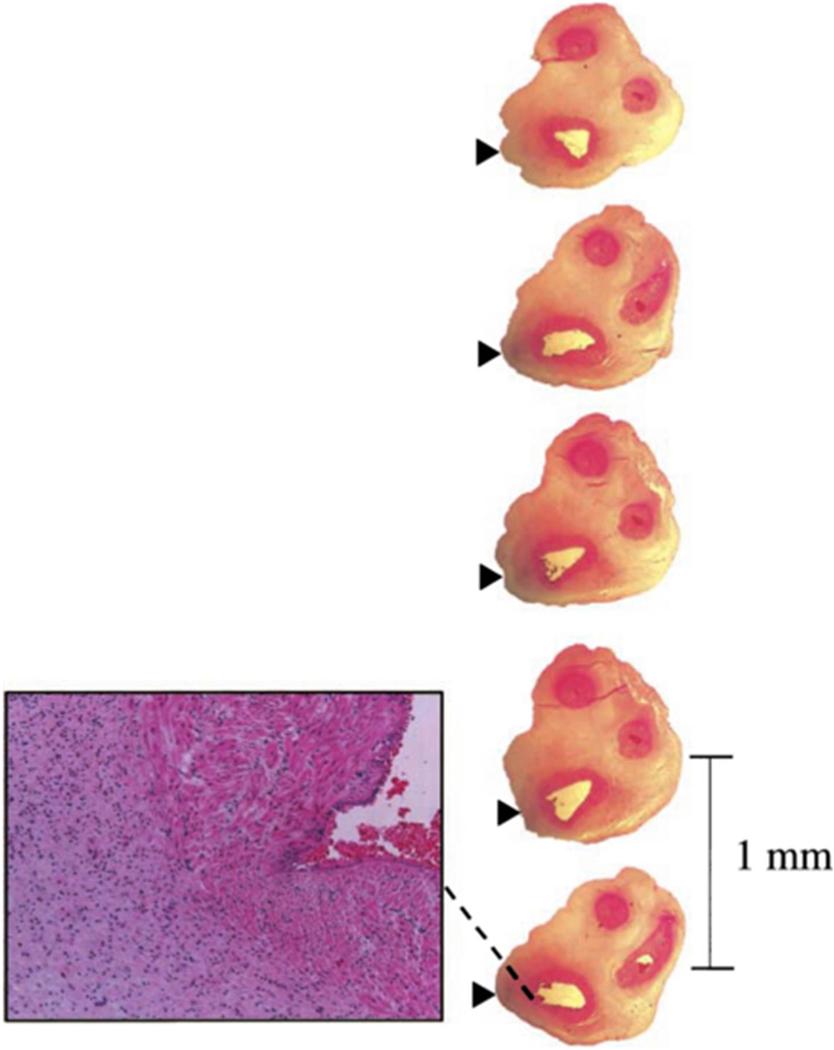
The fetus can deploy a local or systemic inflammatory response when exposed to microorganisms or, alternatively, to non-infection-related stimuli (e.g., danger signals or alarmins). The term "Fetal Inflammatory Response Syndrome" (FIRS) was coined to describe a condition characterized by evidence of a systemic inflammatory response, frequently a result of the activation of the innate limb of the immune response. FIRS can be diagnosed by an increased concentration of umbilical cord plasma or serum acute phase reactants such as C-reactive protein or cytokines (e.g., interleukin-6). Pathologic evidence of a systemic fetal inflammatory response indicates the presence of funisitis or chorionic vasculitis. FIRS was first described in patients at risk for intraamniotic infection who presented preterm labor with intact membranes or preterm prelabor rupture of the membranes. However, FIRS can also be observed in patients with sterile intra-amniotic inflammation, alloimmunization (e.g., Rh disease), and active autoimmune disorders. Neonates born with FIRS have a higher rate of complications, such as early-onset neonatal sepsis, intraventricular hemorrhage, periventricular leukomalacia, and death, than those born without FIRS. Survivors are at risk for long-term sequelae that may include bronchopulmonary dysplasia, neurodevelopmental disorders, such as cerebral palsy, retinopathy of prematurity, and sensorineuronal hearing loss. Experimental FIRS can be induced by intra-amniotic administration of bacteria, microbial products (such as endotoxin), or inflammatory cytokines (such as interleukin-1), and animal models have provided important insights about the mechanisms responsible for multiple organ involvement and dysfunction. A systemic fetal inflammatory response is thought to be adaptive, but, on occasion, may become dysregulated whereby a fetal cytokine storm ensues and can lead to multiple organ dysfunction and even fetal death if delivery does not occur ("rescued by birth"). Thus, the onset of preterm labor in this context can be considered to have survival value. The evidence so far suggests that FIRS may compound the effects of immaturity and neonatal inflammation, thus increasing the risk of neonatal complications and long-term morbidity. Modulation of a dysregulated fetal inflammatory response by the administration of antimicrobial agents, anti-inflammatory agents, or cell-based therapy holds promise to reduce infant morbidity and mortality.
当胎儿暴露于微生物或非感染相关刺激物(如危险信号或警报素)时,它可以引发局部或全身炎症反应。术语“胎儿炎症反应综合征”(FIRS)被用来描述一种以全身炎症反应证据为特征的疾病,这种反应通常是先天免疫反应激活的结果。FIRS 可以通过脐带血浆或血清急性期反应物(如 C 反应蛋白或细胞因子(如白细胞介素-6)浓度的增加来诊断。全身胎儿炎症反应的病理证据表明存在脐带炎或绒毛膜血管炎。FIRS 最初是在有发生羊膜内感染风险的患者中描述的,这些患者出现未足月胎膜完整的早产临产或早产胎膜早破。然而,FIRS 也可在无菌性羊膜内炎症、同种免疫(如 Rh 病)和活动性自身免疫性疾病患者中观察到。患有 FIRS 的新生儿比没有 FIRS 的新生儿发生早发性新生儿败血症、脑室出血、脑室周围白质软化和死亡等并发症的风险更高。幸存者有发生长期后遗症的风险,包括支气管肺发育不良、神经发育障碍(如脑瘫)、早产儿视网膜病变和感觉神经性听力损失。通过向羊膜内给予细菌、微生物产物(如内毒素)或炎症细胞因子(如白细胞介素-1)可以诱导实验性 FIRS,动物模型为多器官受累和功能障碍的机制提供了重要的见解。全身胎儿炎症反应被认为是适应性的,但有时可能会失调,从而导致胎儿细胞因子风暴,如果不进行分娩,可能会导致多器官功能障碍甚至胎儿死亡(“分娩拯救”)。因此,在这种情况下早产的发生可以被认为具有生存价值。到目前为止的证据表明,FIRS 可能会加重不成熟和新生儿炎症的影响,从而增加新生儿并发症和长期发病率的风险。通过给予抗菌药物、抗炎药物或基于细胞的治疗来调节失调的胎儿炎症反应,有望降低婴儿的发病率和死亡率。

 Zotero 插件