
基于表位的嵌合肽疫苗设计针对2019年冠状病毒病大流行的病原体严重急性呼吸综合征冠状病毒2的S、M和E蛋白:一种计算机模拟方法
Epitope-based chimeric peptide vaccine design against S, M and E proteins of SARS-CoV-2, the etiologic agent of COVID-19 pandemic: an in silico approach.
作者信息
Rahman M Shaminur, Hoque M Nazmul, Islam M Rafiul, Akter Salma, Rubayet Ul Alam A S M, Siddique Mohammad Anwar, Saha Otun, Rahaman Md Mizanur, Sultana Munawar, Crandall Keith A, Hossain M Anwar
机构信息
Department of Microbiology, University of Dhaka, Dhaka, Bangladesh.
Department of Gynecology, Obstetrics and Reproductive Health, Bangabandhu Sheikh Mujibur Rahman Agricultural University, Gazipur, Bangladesh.
出版信息
PeerJ. 2020 Jul 27;8:e9572. doi: 10.7717/peerj.9572. eCollection 2020.
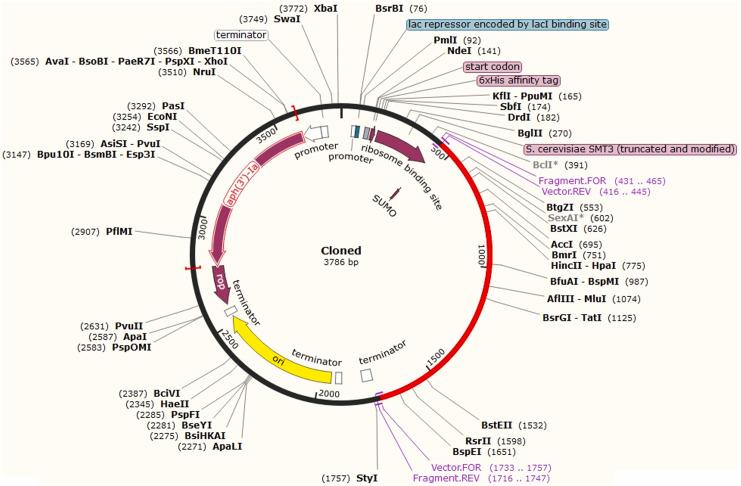
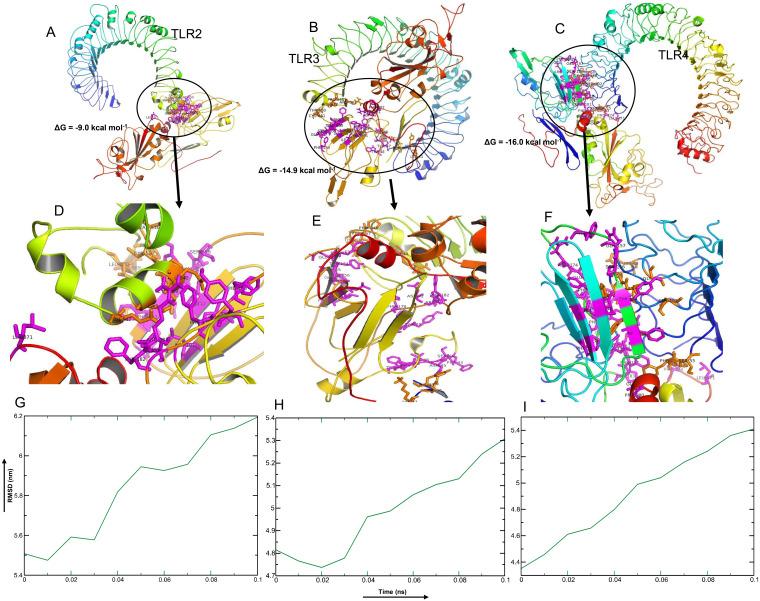
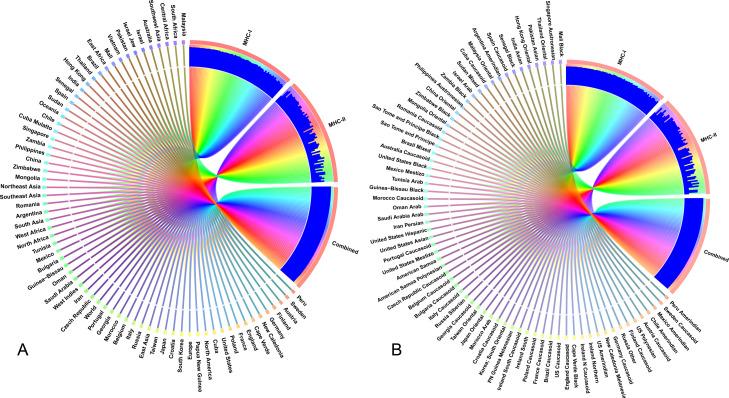
Severe acute respiratory syndrome coronavirus 2 (SARS-CoV-2) is the etiologic agent of the ongoing pandemic of coronavirus disease 2019 (COVID-19), a public health emergency of international concerns declared by the World Health Organization (WHO). An immuno-informatics approach along with comparative genomics was applied to design a multi-epitope-based peptide vaccine against SARS-CoV-2 combining the antigenic epitopes of the S, M, and E proteins. The tertiary structure was predicted, refined and validated using advanced bioinformatics tools. The candidate vaccine showed an average of ≥90.0% world population coverage for different ethnic groups. Molecular docking and dynamics simulation of the chimeric vaccine with the immune receptors (TLR3 and TLR4) predicted efficient binding. Immune simulation predicted significant primary immune response with increased IgM and secondary immune response with high levels of both IgG1 and IgG2. It also increased the proliferation of T-helper cells and cytotoxic T-cells along with the increased IFN-γ and IL-2 cytokines. The codon optimization and mRNA secondary structure prediction revealed that the chimera is suitable for high-level expression and cloning. Overall, the constructed recombinant chimeric vaccine candidate demonstrated significant potential and can be considered for clinical validation to fight against this global threat, COVID-19.
严重急性呼吸综合征冠状病毒2(SARS-CoV-2)是2019冠状病毒病(COVID-19)全球大流行的病原体,这是世界卫生组织(WHO)宣布的国际关注的突发公共卫生事件。采用免疫信息学方法并结合比较基因组学,设计了一种基于多表位的抗SARS-CoV-2肽疫苗,该疫苗结合了S、M和E蛋白的抗原表位。使用先进的生物信息学工具预测、优化和验证了三级结构。候选疫苗对不同种族群体的世界人口覆盖率平均≥90.0%。嵌合疫苗与免疫受体(TLR3和TLR4)的分子对接和动力学模拟预测了有效的结合。免疫模拟预测了显著的初级免疫反应,IgM增加,以及高水平的IgG1和IgG2的次级免疫反应。它还增加了辅助性T细胞和细胞毒性T细胞的增殖,以及IFN-γ和IL-2细胞因子的增加。密码子优化和mRNA二级结构预测表明,该嵌合体适合高水平表达和克隆。总体而言,构建的重组嵌合候选疫苗显示出巨大潜力,可考虑进行临床验证,以对抗这一全球威胁——COVID-19。




 Zotero 插件