
淋巴细胞减少症预测 COVID-19 患者的疾病严重程度和恢复情况:一项单中心、回顾性研究。
Lymphopenia predicted illness severity and recovery in patients with COVID-19: A single-center, retrospective study.
机构信息
Department of Hematology and Oncology, The First Hospital of Changsha, Changsha, Hunan, China.
Department of Hematology, The Second Xiangya Hospital, Central South University, Changsha, Hunan, China.
出版信息
PLoS One. 2020 Nov 18;15(11):e0241659. doi: 10.1371/journal.pone.0241659. eCollection 2020.
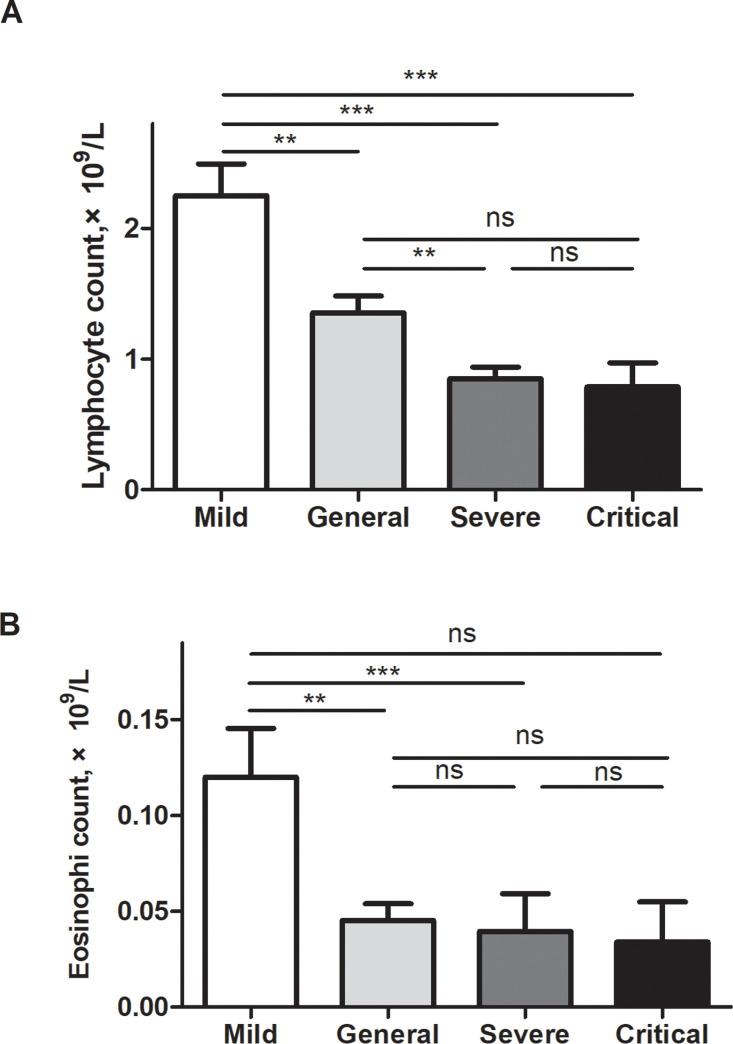
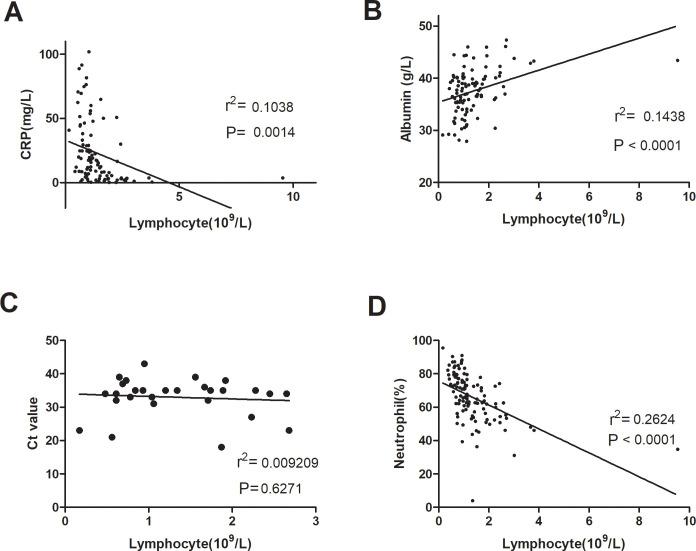
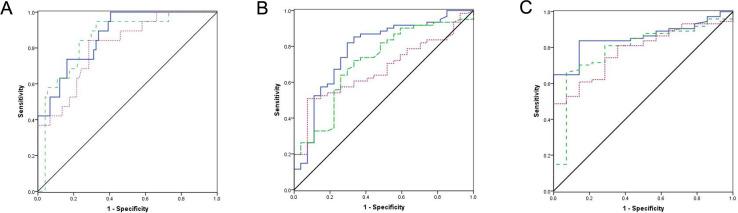
The outbreak of SARS-CoV-2 began in December 2019 and rapidly became a pandemic. The present study investigated the significance of lymphopenia on disease severity. A total of 115 patients with confirmed COVID-19 from a tertiary hospital in Changsha, China, were enrolled. Clinical, laboratory, treatment and outcome data were gathered and compared between patients with and without lymphopenia. The median age was 42 years (1-75). Fifty-four patients (47.0%) of the 115 patients had lymphopenia on admission. More patients in the lymphopenia group had hypertension (30.8% vs. 10.0%, P = 0.006) and coronary heart disease (3.6% vs. 0%, P = 0.029) than in the nonlymphopenia group, and more patients with leukopenia (48.1% vs 14.8%, P<0.001) and eosinopenia (92.6% vs 54.1%, P<0.001) were observed. Lymphopenia was also correlated with severity grades of pneumonia (P<0.001) and C-reactive protein (CRP) level (P = 0.0014). Lymphopenia was associated with a prolonged duration of hospitalization (17.0 days vs. 14.0 days, P = 0.002). Lymphocyte recovery appeared the earliest, prior to CRP and chest radiographs, in severe cases, which suggests its predictive value for disease improvement. Our results demonstrated the clinical significance of lymphopenia for predicting the severity of and recovery from COVID-19, which emphasizes the need to dynamically monitor lymphocyte count.
SARS-CoV-2 的爆发始于 2019 年 12 月,并迅速成为一种大流行。本研究探讨了淋巴细胞减少对疾病严重程度的意义。共纳入中国长沙一家三级医院的 115 例确诊的 COVID-19 患者。收集了临床、实验室、治疗和结局数据,并比较了淋巴细胞减少组和非淋巴细胞减少组患者之间的数据。中位年龄为 42 岁(1-75 岁)。115 例患者中,54 例(47.0%)入院时淋巴细胞减少。淋巴细胞减少组中高血压(30.8%比 10.0%,P = 0.006)和冠心病(3.6%比 0%,P = 0.029)的患者多于非淋巴细胞减少组,白细胞减少症(48.1%比 14.8%,P<0.001)和嗜酸性粒细胞减少症(92.6%比 54.1%,P<0.001)的患者更多。淋巴细胞减少与肺炎严重程度分级(P<0.001)和 C 反应蛋白(CRP)水平(P = 0.0014)相关。淋巴细胞减少与住院时间延长相关(17.0 天比 14.0 天,P = 0.002)。淋巴细胞恢复最早出现,先于 CRP 和胸部 X 线,这提示其对疾病改善的预测价值。我们的结果表明,淋巴细胞减少对预测 COVID-19 的严重程度和恢复具有临床意义,这强调了动态监测淋巴细胞计数的必要性。



 Zotero 插件