
口腔上皮细胞中的ACE2和弗林蛋白酶表达可能通过呼吸道和粪口途径促进新冠病毒感染。
ACE2 and Furin Expressions in Oral Epithelial Cells Possibly Facilitate COVID-19 Infection via Respiratory and Fecal-Oral Routes.
作者信息
Zhong Mei, Lin Bingpeng, Pathak Janak L, Gao Hongbin, Young Andrew J, Wang Xinhong, Liu Chang, Wu Kaibin, Liu Mingxiao, Chen Jian-Ming, Huang Jiangyong, Lee Learn-Han, Qi Cui-Ling, Ge Linhu, Wang Lijing
机构信息
Guangzhou Key Laboratory of Basic and Applied Research of Oral Regenerative Medicine, Affiliated Stomatology Hospital of Guangzhou Medical University, Guangzhou, China.
Institute of Oral Disease, Guangzhou Medical University, Guangzhou, China.
出版信息
Front Med (Lausanne). 2020 Dec 10;7:580796. doi: 10.3389/fmed.2020.580796. eCollection 2020.
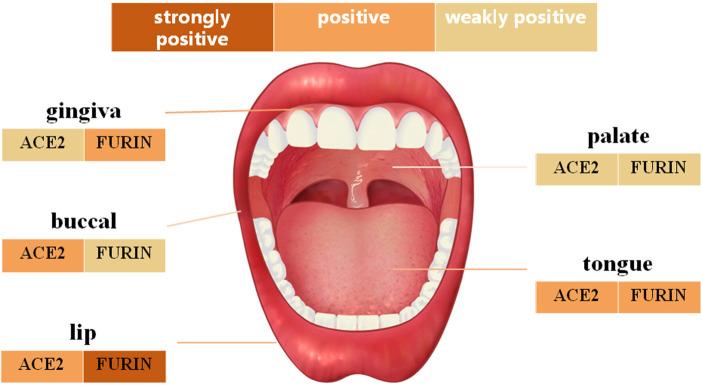
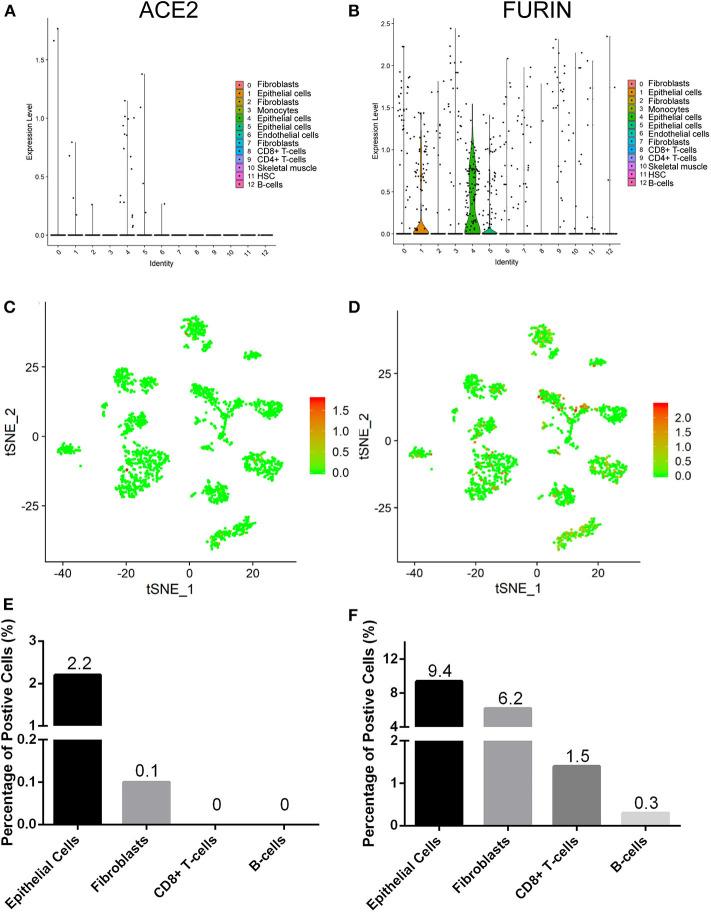
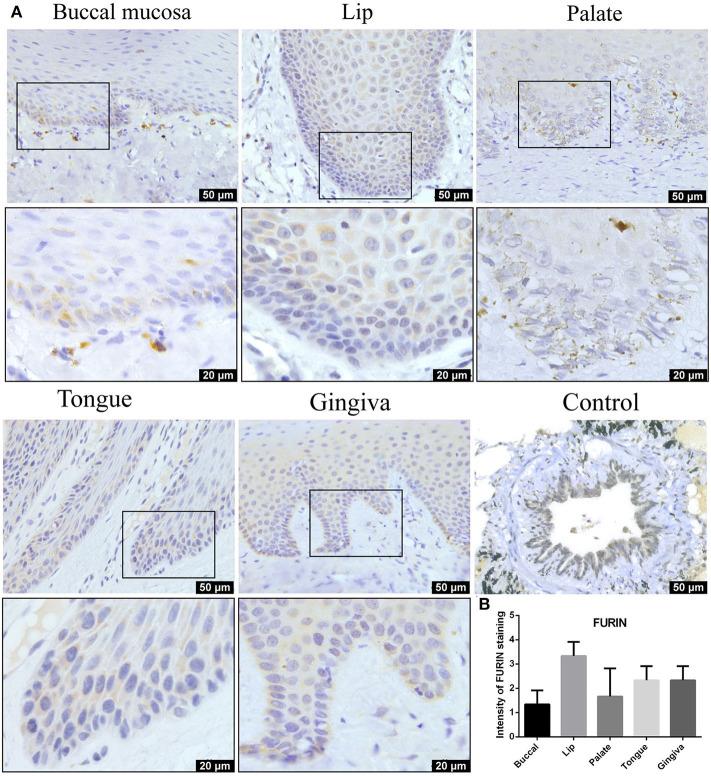
Coronavirus disease 2019 (COVID-19) is caused by severe acute respiratory syndrome coronavirus 2 (SARS-CoV-2) that mainly transfers from human to human via respiratory and gastrointestinal routes. The S-glycoprotein in the virus is the key factor for the entry of SARS-CoV-2 into the cell, which contains two functional domains: S1 is an angiotensin-converting enzyme 2 (ACE2) receptor binding domain, and S2 is necessary for fusion of the coronavirus and cell membranes. Moreover, it has been reported that ACE2 is likely to be the receptor for SARS-CoV-2. In addition, mRNA level expression of Furin enzyme and ACE2 receptor had been reported in airway epithelia, cardiac tissue, and enteric canals. However, the expression patterns of ACE2 and Furin in different cell types of oral tissues are still unclear. In order to investigate the potential infective channel of the new coronavirus via the oropharyngeal cavity, we analyze the expression of ACE2 and Furin in human oral mucosa using the public single-cell sequence datasets. Furthermore, immunohistochemistry was performed in mucosal tissue from different oral anatomical sites to confirm the expression of ACE2 and Furin at the protein level. The bioinformatics results indicated the differential expression of ACE2 and Furin on epithelial cells from different oral anatomical sites. Immunohistochemistry results revealed that both the ACE2-positive and Furin-positive cells in the target tissues were mainly positioned in the epithelial layers, partly expressed in fibroblasts, further confirming the bioinformatics results. Based on these findings, we speculated that SARS-CoV-2 could invade oral mucosal cells through two possible routes: binding to the ACE2 receptor and fusion with cell membrane activated by Furin protease. Our results indicated that oral mucosa tissues are susceptible to SARS-CoV-2 that could facilitate COVID-19 infection via respiratory and fecal-oral routes.
2019冠状病毒病(COVID-19)由严重急性呼吸综合征冠状病毒2(SARS-CoV-2)引起,该病毒主要通过呼吸道和胃肠道途径在人与人之间传播。病毒中的S糖蛋白是SARS-CoV-2进入细胞的关键因素,它包含两个功能域:S1是血管紧张素转换酶2(ACE2)受体结合域,S2是冠状病毒与细胞膜融合所必需的。此外,据报道ACE2可能是SARS-CoV-2的受体。另外,已报道在气道上皮、心脏组织和肠道中存在弗林蛋白酶和ACE2受体的mRNA水平表达。然而,ACE2和弗林蛋白酶在口腔组织不同细胞类型中的表达模式仍不清楚。为了研究新型冠状病毒通过口咽腔的潜在感染途径,我们利用公开的单细胞序列数据集分析了人口腔黏膜中ACE2和弗林蛋白酶的表达。此外,对来自不同口腔解剖部位的黏膜组织进行免疫组织化学检测,以在蛋白质水平上确认ACE2和弗林蛋白酶的表达。生物信息学结果表明,ACE2和弗林蛋白酶在不同口腔解剖部位的上皮细胞上存在差异表达。免疫组织化学结果显示,靶组织中ACE2阳性和弗林蛋白酶阳性细胞主要位于上皮层,并在成纤维细胞中部分表达,进一步证实了生物信息学结果。基于这些发现,我们推测SARS-CoV-2可能通过两种可能的途径侵入口腔黏膜细胞:与ACE2受体结合以及与弗林蛋白酶激活的细胞膜融合。我们的结果表明,口腔黏膜组织易受SARS-CoV-2感染,这可能通过呼吸道和粪-口途径促进COVID-19感染。


 Zotero 插件