
评估空气污染和气候季节性对西班牙马德里 COVID-19 多波次传播的影响。
Assessing the impact of air pollution and climate seasonality on COVID-19 multiwaves in Madrid, Spain.
机构信息
IT Department, National Institute of R&D for Optoelectronics, Atomistilor Street 409, MG5, Magurele-Bucharest, 077125, Romania.
IT Department, National Institute of R&D for Optoelectronics, Atomistilor Street 409, MG5, Magurele-Bucharest, 077125, Romania.
出版信息
Environ Res. 2022 Jan;203:111849. doi: 10.1016/j.envres.2021.111849. Epub 2021 Aug 6.
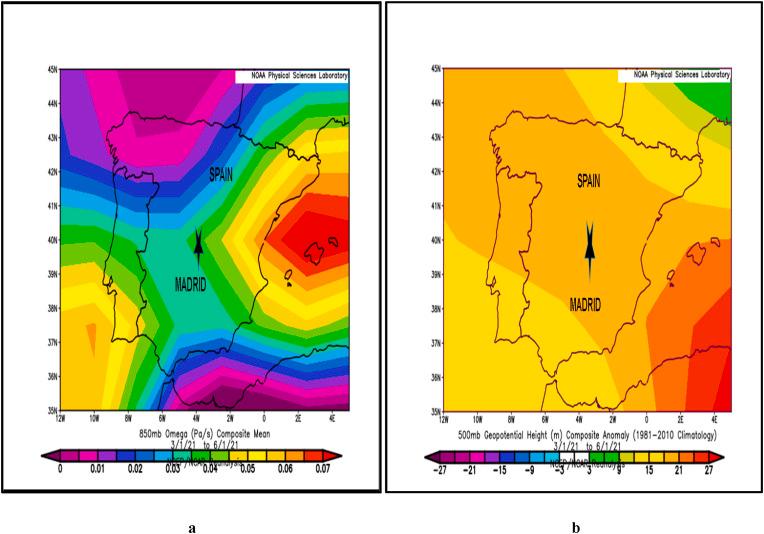
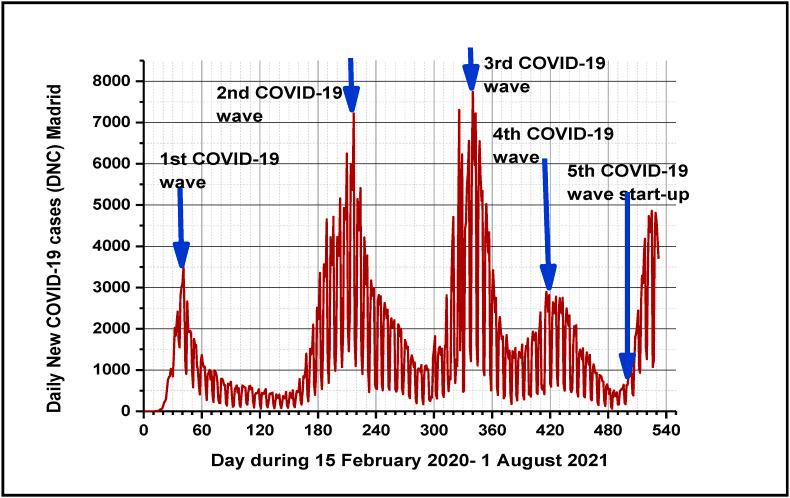
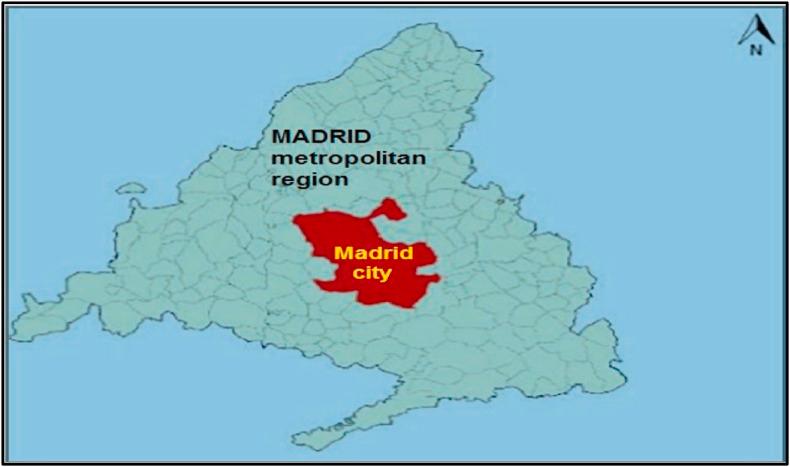
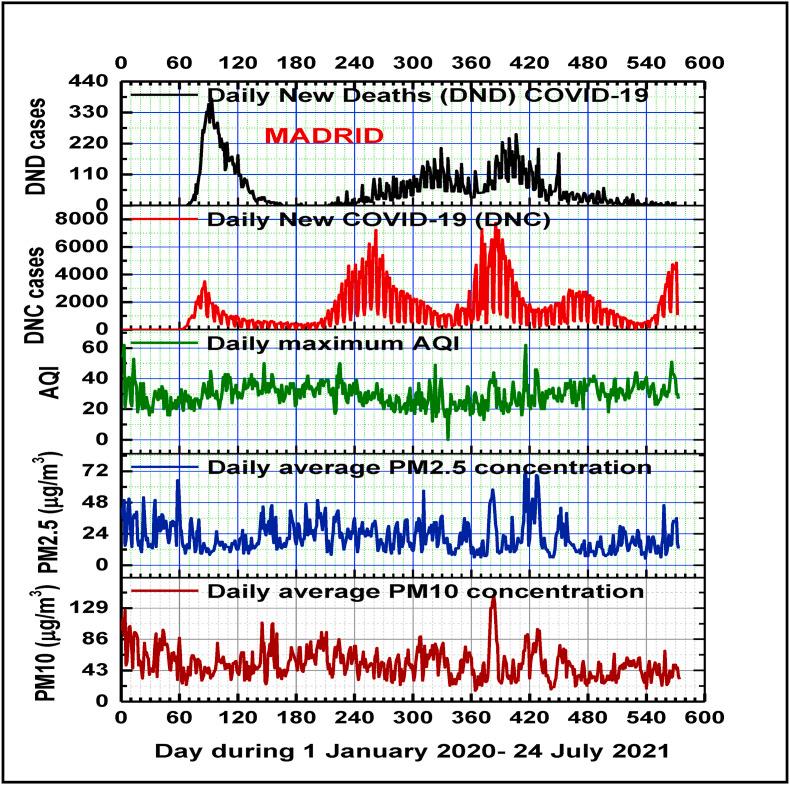
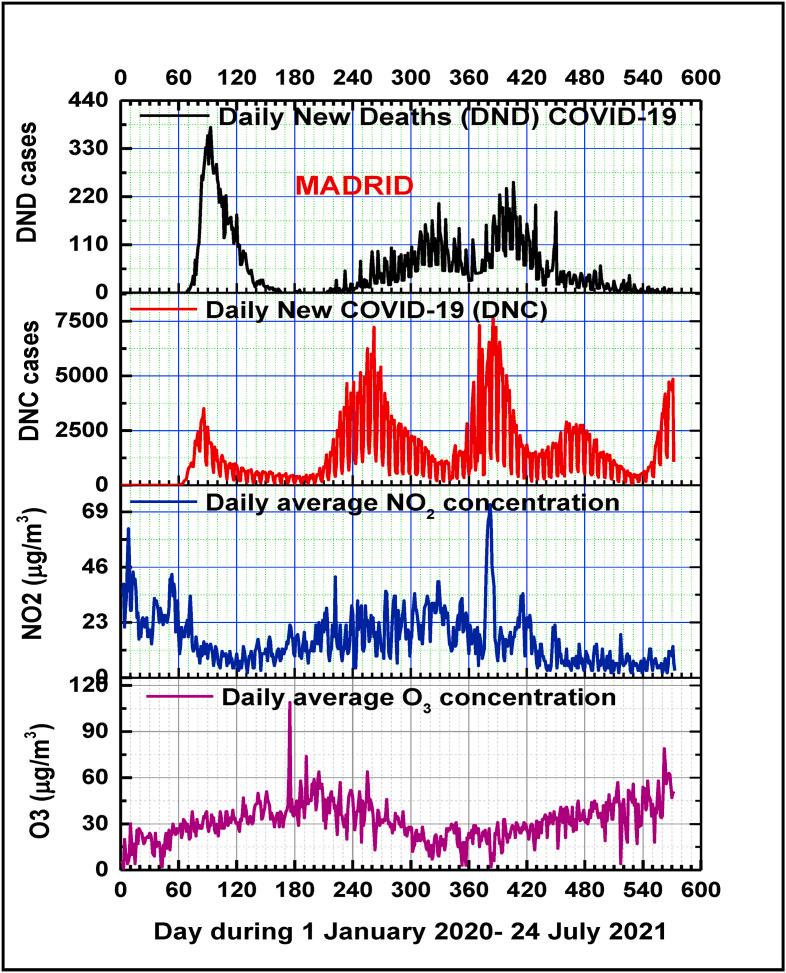
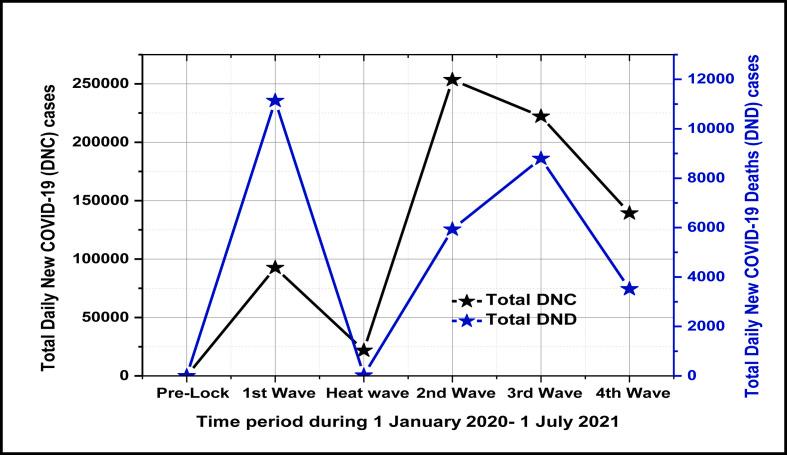
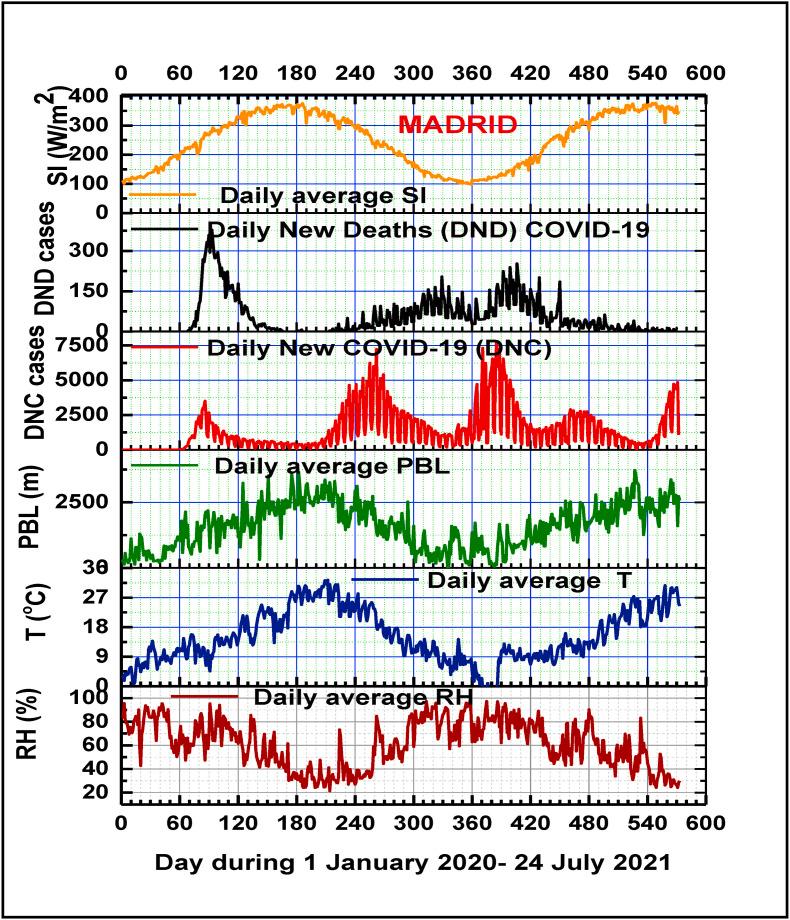
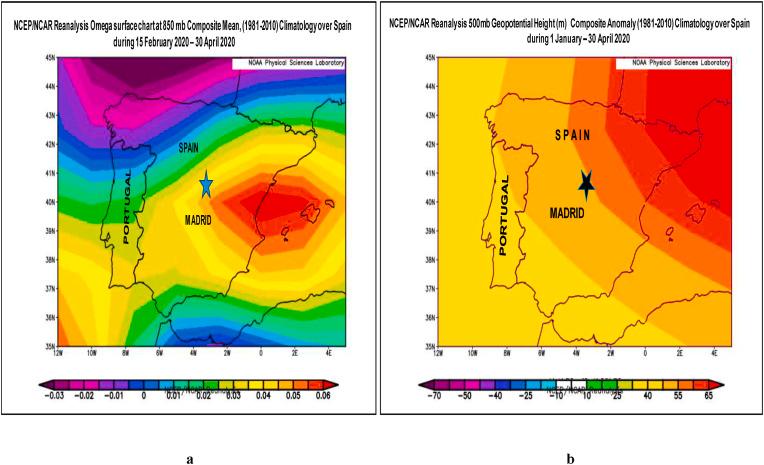
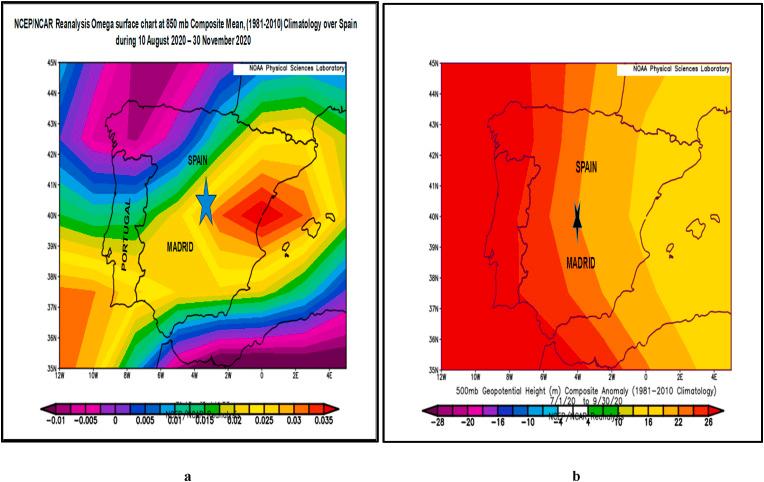
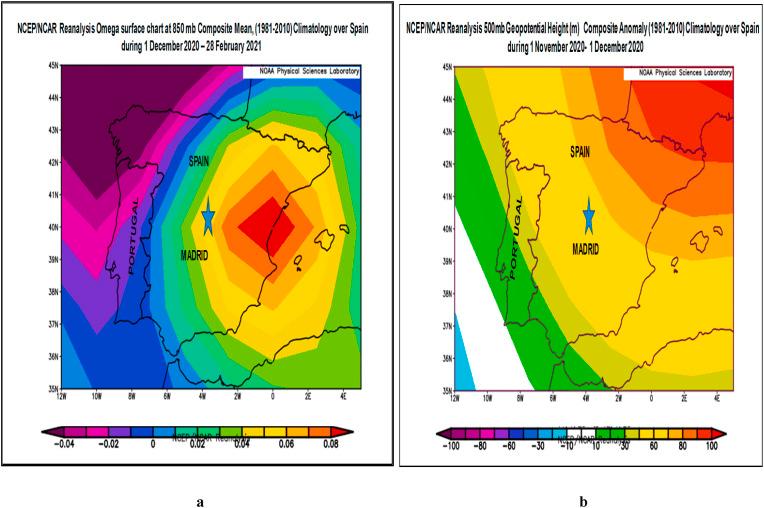
While the COVID-19 pandemic is still in progress, being under the fifth COVID-19 wave in Madrid, over more than one year, Spain experienced a four wave pattern. The transmission of SARS-CoV-2 pathogens in Madrid metropolitan region was investigated from an urban context associated with seasonal variability of climate and air pollution drivers. Based on descriptive statistics and regression methods of in-situ and geospatial daily time series data, this study provides a comparative analysis between COVID-19 waves incidence and mortality cases in Madrid under different air quality and climate conditions. During analyzed period 1 January 2020-1 July 2021, for each of the four COVID-19 waves in Madrid were recorded anomalous anticyclonic synoptic meteorological patterns in the mid-troposphere and favorable stability conditions for COVID-19 disease fast spreading. As airborne microbial temporal pattern is most affected by seasonal changes, this paper found: 1) a significant negative correlation of air temperature, Planetary Boundary Layer height, and surface solar irradiance with daily new COVID-19 incidence and deaths; 2) a similar mutual seasonality with climate variables of the first and the fourth COVID-waves from spring seasons of 2020 and 2021 years. Such information may help the health decision makers and public plan for the future.
虽然 COVID-19 大流行仍在继续,但西班牙马德里已经经历了超过一年的第五波疫情,此前还经历过四次疫情高峰。本研究从与气候季节变化和空气污染驱动因素相关的城市背景出发,对马德里大都市地区 SARS-CoV-2 病原体的传播进行了调查。本研究基于现场和地理空间每日时间序列数据的描述性统计和回归方法,在不同空气质量和气候条件下,对马德里 COVID-19 波次的发病率和死亡率病例进行了对比分析。在 2020 年 1 月 1 日至 2021 年 7 月 1 日期间,马德里的四次 COVID-19 波次中,每次都记录到了中层异常反气旋天气模式,这有利于 COVID-19 疾病的快速传播。由于空气传播微生物的时间模式受季节性变化的影响最大,本文发现:1)气温、行星边界层高度和地表太阳辐射与每日新增 COVID-19 发病率和死亡率呈显著负相关;2)2020 年和 2021 年春季,第一波和第四波 COVID-19 与气候变量具有相似的季节性。这些信息可能有助于卫生决策者和公众为未来做好规划。
 Zotero 插件