
作为抗菌剂的蛋白质-蛋白质相互作用调节剂。
Modulators of protein-protein interactions as antimicrobial agents.
作者信息
Kahan Rashi, Worm Dennis J, de Castro Guilherme V, Ng Simon, Barnard Anna
机构信息
Department of Chemistry, Molecular Sciences Research Hub, Imperial College London 82 Wood Lane London W12 0BZ UK
出版信息
RSC Chem Biol. 2021 Feb 3;2(2):387-409. doi: 10.1039/d0cb00205d. eCollection 2021 Apr 1.
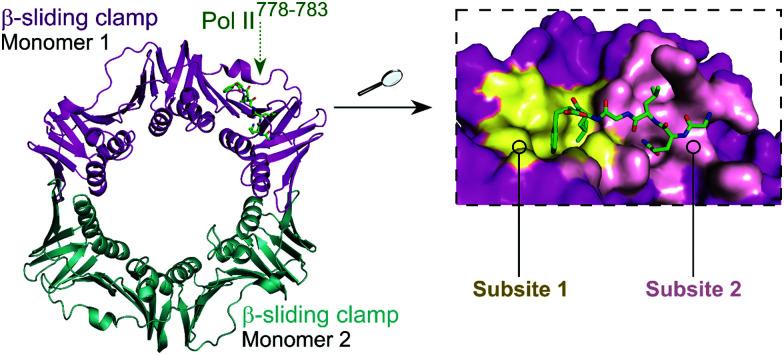
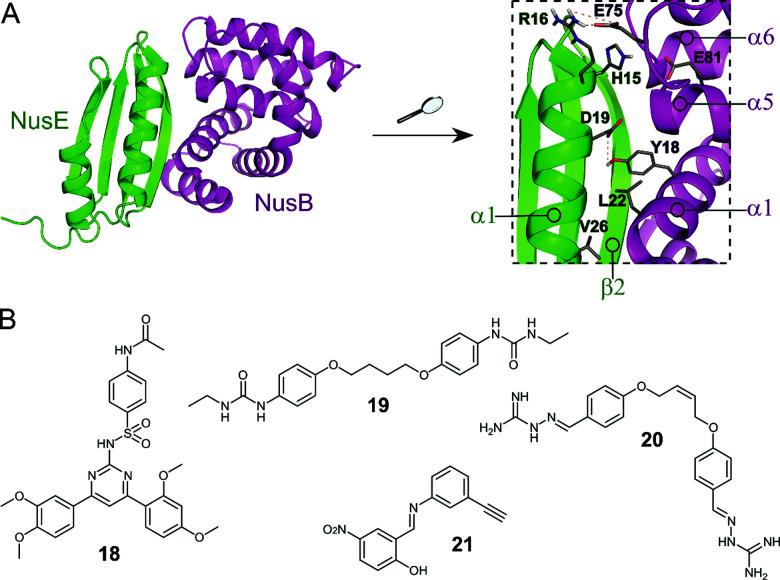
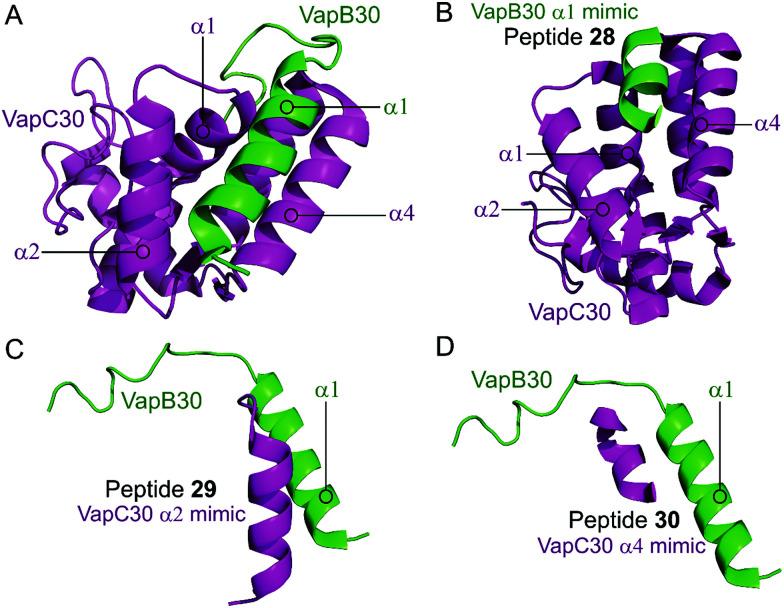
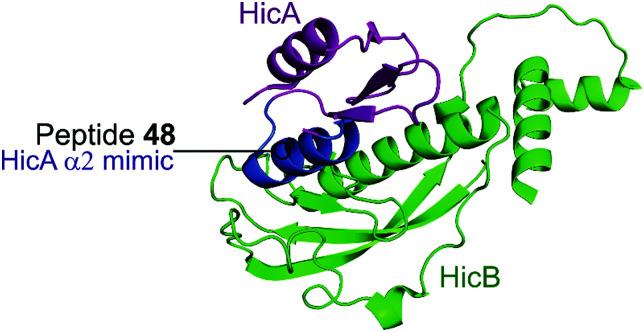
Protein-Protein interactions (PPIs) are involved in a myriad of cellular processes in all living organisms and the modulation of PPIs is already under investigation for the development of new drugs targeting cancers, autoimmune diseases and viruses. PPIs are also involved in the regulation of vital functions in bacteria and, therefore, targeting bacterial PPIs offers an attractive strategy for the development of antibiotics with novel modes of action. The latter are urgently needed to tackle multidrug-resistant and multidrug-tolerant bacteria. In this review, we describe recent developments in the modulation of PPIs in pathogenic bacteria for antibiotic development, including advanced small molecule and peptide inhibitors acting on bacterial PPIs involved in division, replication and transcription, outer membrane protein biogenesis, with an additional focus on toxin-antitoxin systems as upcoming drug targets.
蛋白质-蛋白质相互作用(PPIs)参与了所有生物体中的无数细胞过程,并且针对癌症、自身免疫性疾病和病毒的新型药物开发,目前正在研究PPIs的调节作用。PPIs还参与细菌重要功能的调节,因此,靶向细菌PPIs为开发具有新型作用模式的抗生素提供了一个有吸引力的策略。迫切需要后者来应对多重耐药和多重耐受细菌。在这篇综述中,我们描述了用于抗生素开发的致病细菌中PPIs调节的最新进展,包括作用于参与分裂、复制和转录、外膜蛋白生物合成的细菌PPIs的先进小分子和肽抑制剂,另外还重点关注作为新兴药物靶点的毒素-抗毒素系统。
















 Zotero 插件