
病原体疫苗靶点的鉴定和使用计算方法设计疫苗。
Identification of vaccine targets in pathogens and design of a vaccine using computational approaches.
机构信息
Centre for Computational Biology and Bioinformatics, Amity Institute of Biotechnology, Amity University Uttar Pradesh, Noida, India.
Texas Children's Hospital Center for Vaccine Development, Departments of Pediatrics and Molecular Virology and Microbiology, National School of Tropical Medicine, Baylor College of Medicine, Houston, TX, USA.
出版信息
Sci Rep. 2021 Sep 2;11(1):17626. doi: 10.1038/s41598-021-96863-x.
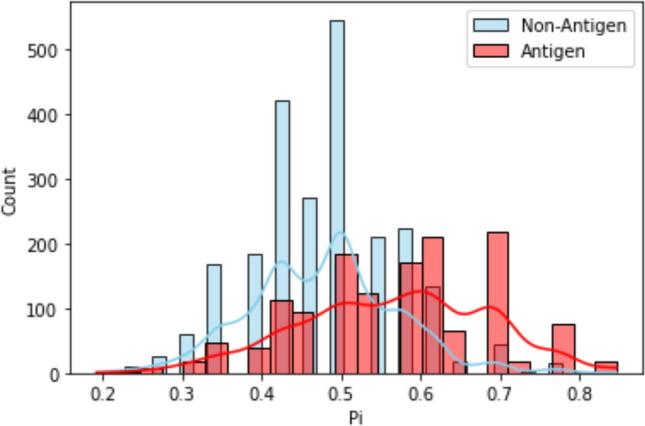
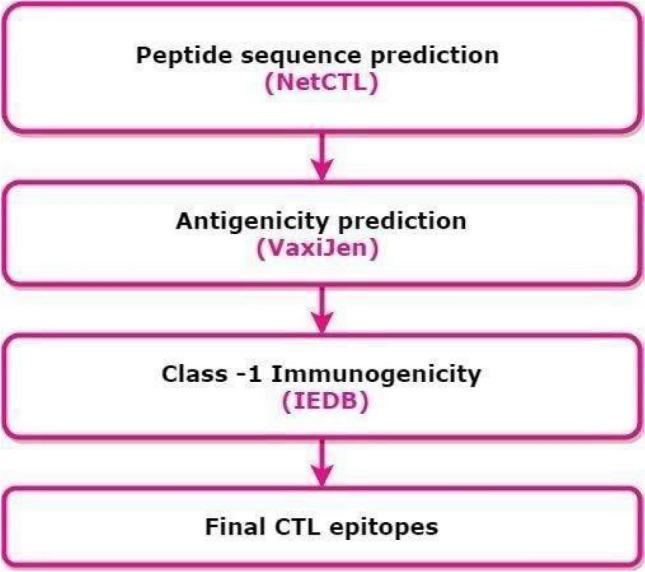
Antigen identification is an important step in the vaccine development process. Computational approaches including deep learning systems can play an important role in the identification of vaccine targets using genomic and proteomic information. Here, we present a new computational system to discover and analyse novel vaccine targets leading to the design of a multi-epitope subunit vaccine candidate. The system incorporates reverse vaccinology and immuno-informatics tools to screen genomic and proteomic datasets of several pathogens such as Trypanosoma cruzi, Plasmodium falciparum, and Vibrio cholerae to identify potential vaccine candidates (PVC). Further, as a case study, we performed a detailed analysis of the genomic and proteomic dataset of T. cruzi (CL Brenner and Y strain) to shortlist eight proteins as possible vaccine antigen candidates using properties such as secretory/surface-exposed nature, low transmembrane helix (< 2), essentiality, virulence, antigenic, and non-homology with host/gut flora proteins. Subsequently, highly antigenic and immunogenic MHC class I, MHC class II and B cell epitopes were extracted from top-ranking vaccine targets. The designed vaccine construct containing 24 epitopes, 3 adjuvants, and 4 linkers was analysed for its physicochemical properties using different tools, including docking analysis. Immunological simulation studies suggested significant levels of T-helper, T-cytotoxic cells, and IgG1 will be elicited upon administration of such a putative multi-epitope vaccine construct. The vaccine construct is predicted to be soluble, stable, non-allergenic, non-toxic, and to offer cross-protection against related Trypanosoma species and strains. Further, studies are required to validate safety and immunogenicity of the vaccine.
抗原鉴定是疫苗开发过程中的重要步骤。计算方法,包括深度学习系统,可以在利用基因组和蛋白质组信息鉴定疫苗靶标方面发挥重要作用。在这里,我们提出了一种新的计算系统,用于发现和分析导致设计多表位亚单位疫苗候选物的新型疫苗靶标。该系统结合了反向疫苗学和免疫信息学工具,筛选了几种病原体的基因组和蛋白质组数据集,如克氏锥虫、疟原虫和霍乱弧菌,以鉴定潜在的疫苗候选物(PVC)。此外,作为一个案例研究,我们对克氏锥虫(CL Brenner 和 Y 株)的基因组和蛋白质组数据集进行了详细分析,根据分泌/表面暴露特性、低跨膜螺旋(<2)、必需性、毒力、抗原性和与宿主/肠道菌群蛋白的非同源性等特性,从排名靠前的疫苗靶标中筛选出 8 种可能的疫苗抗原候选物。随后,从顶级疫苗靶标中提取了高度抗原性和免疫原性的 MHC Ⅰ类、MHC Ⅱ类和 B 细胞表位。设计的包含 24 个表位、3 个佐剂和 4 个接头的疫苗构建体,使用不同的工具,包括对接分析,对其物理化学性质进行了分析。免疫模拟研究表明,给予这种假定的多表位疫苗构建体后,将引发显著水平的 T 辅助细胞、T 细胞毒性细胞和 IgG1。该疫苗构建体预计具有可溶性、稳定性、无变应原性、无毒性,并能对相关锥虫物种和株提供交叉保护。此外,还需要研究来验证疫苗的安全性和免疫原性。





 Zotero 插件