
GSH 水平作为一种生物氧化还原开关,调节萝卜硫素诱导的人晶状体细胞命运。
GSH Levels Serve As a Biological Redox Switch Regulating Sulforaphane-Induced Cell Fate in Human Lens Cells.
机构信息
School of Biological Sciences, University of East Anglia, Norwich, United Kingdom.
Quadram Institute, Norwich Research Park, Norwich, United Kingdom.
出版信息
Invest Ophthalmol Vis Sci. 2021 Dec 1;62(15):2. doi: 10.1167/iovs.62.15.2.
PURPOSE
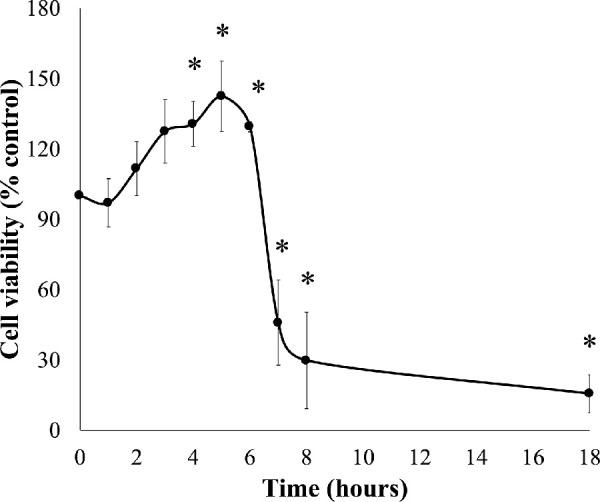
Sulforaphane (SFN) is a therapeutic phytochemical agent for many health conditions. SFN-induced cytotoxicity is shown to have promise in preventing posterior capsule opacification (PCO). In the current study, we aimed to elucidate key processes and mechanisms linking SFN treatment to lens cell death.
METHODS
The human lens epithelial cell line FHL124 and central anterior epithelium were used as experimental models. Cell death was assessed by microscopic observation and cell damage/viability assays. Gene or protein levels were assessed by TaqMan RT-PCR or immunoblotting. Mitochondrial networks and DNA damage were assessed by immunofluorescence. Mitochondrial membrane potential, activating transcription factor 6 (ATF6) activity, ratio of reduced glutathione (GSH) to oxidized glutathione (GSSG), and glutathione reductase (GR) activity were measured using different light reporter assays. SFN metabolites were analyzed by LC-MS/MS.
RESULTS
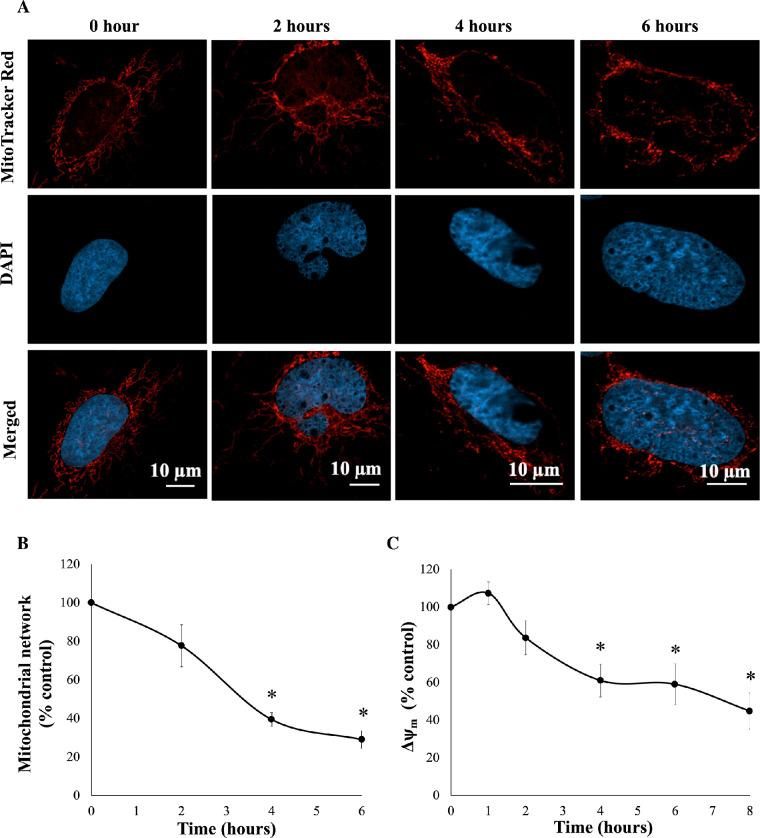
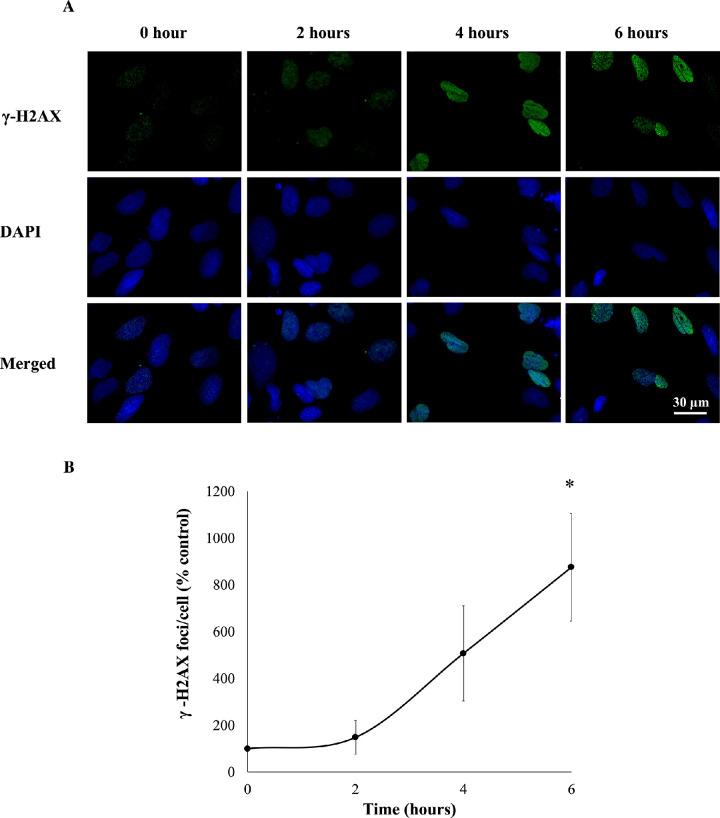
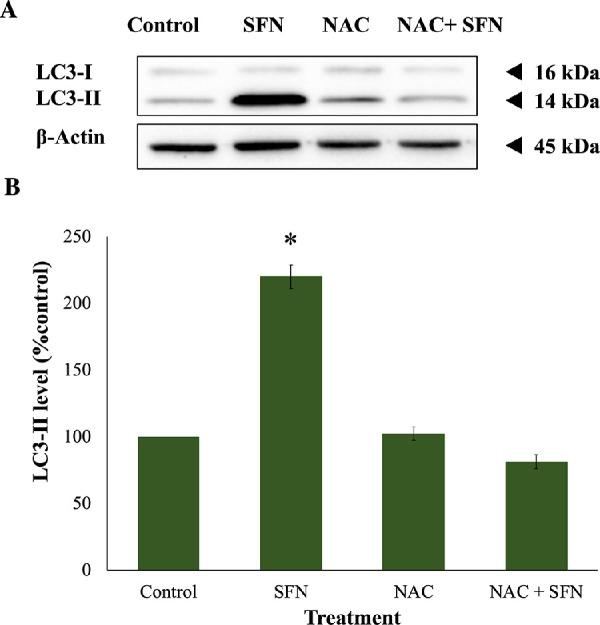
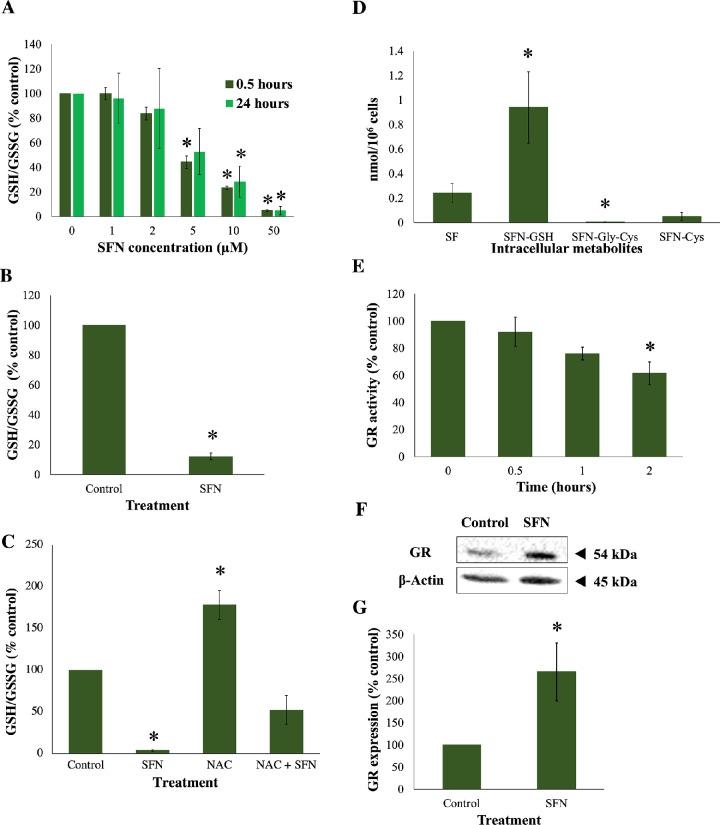
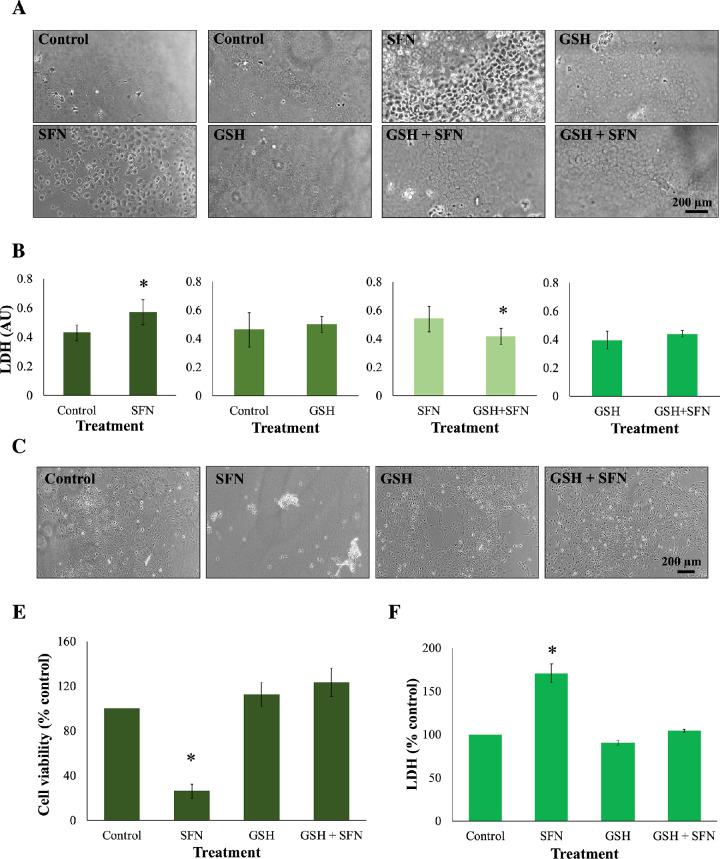
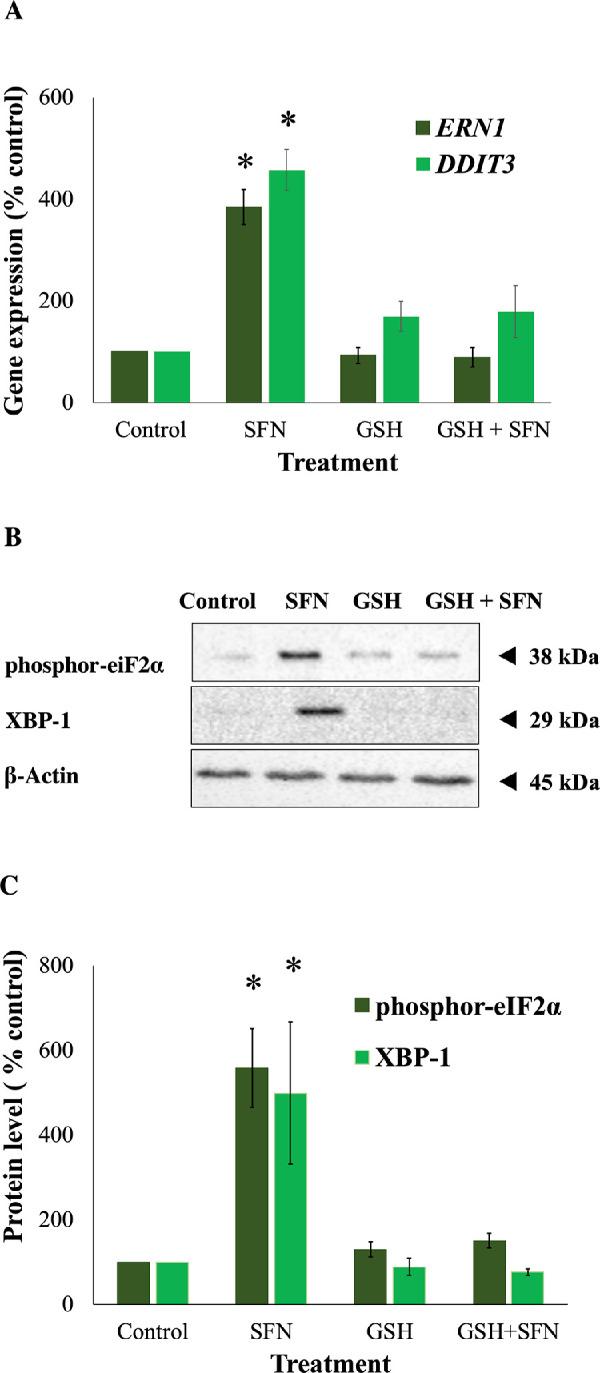
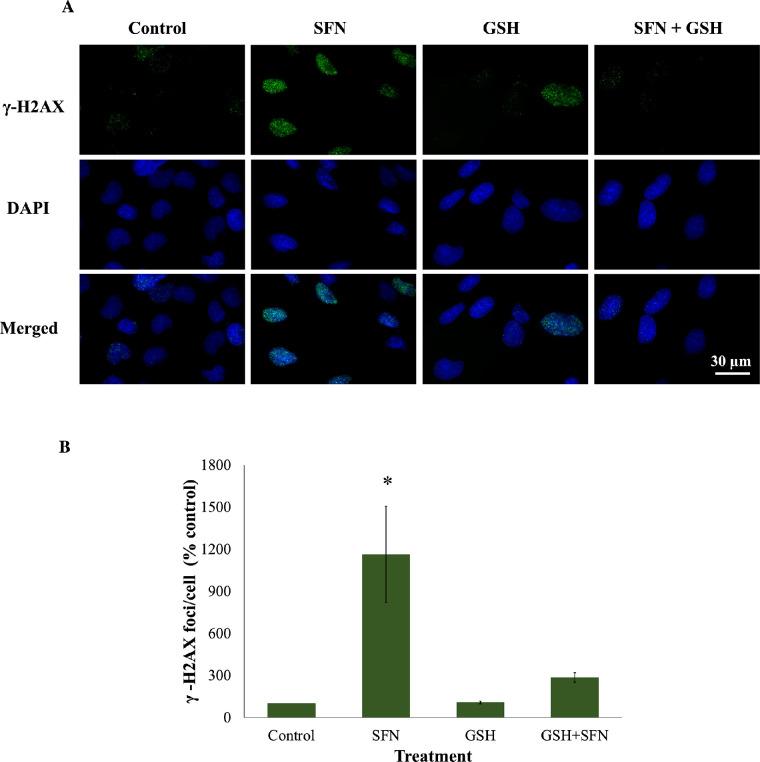
Treatment with N-acetylcysteine (NAC), a reactive oxygen species scavenger, prevented SFN-induced cell death in both models. NAC also significantly protected FHL124 cells from SFN-induced mitochondrial dysfunctions, endoplasmic reticulum stress (ERS), DNA damage and autophagy. SFN significantly depleted GSH, the major antioxidant in the eye, and reduced GR activity, despite doubling its protein levels. The most abundant SFN conjugate detected in lens cells following SFN application was SFN-GSH. The addition of GSH protected lens cells from all SFN-induced cellular events.
CONCLUSIONS
SFN depletes GSH levels in lens cells through conjugation and inhibition of GR activity. This leads to increased reactive oxygen species and oxidative stress that trigger mitochondrial dysfunction, ERS, autophagy, and DNA damage, leading to cell death. In summary, the work presented provides a mechanistic understanding to support the therapeutic application of SFN for PCO and other disorders.
目的
萝卜硫素(SFN)是治疗多种健康状况的治疗性植物化学物质。SFN 诱导的细胞毒性有望预防后囊膜混浊(PCO)。在本研究中,我们旨在阐明将 SFN 治疗与晶状体细胞死亡联系起来的关键过程和机制。
方法
使用人晶状体上皮细胞系 FHL124 和中央前上皮作为实验模型。通过显微镜观察和细胞损伤/活力测定评估细胞死亡。通过 TaqMan RT-PCR 或免疫印迹评估基因或蛋白水平。通过免疫荧光评估线粒体网络和 DNA 损伤。通过不同的光报告测定测量线粒体膜电位、激活转录因子 6 (ATF6) 活性、还原型谷胱甘肽 (GSH) 与氧化型谷胱甘肽 (GSSG) 的比值和谷胱甘肽还原酶 (GR) 活性。通过 LC-MS/MS 分析 SFN 代谢物。
结果
抗氧化剂 N-乙酰半胱氨酸 (NAC) 的处理可预防两种模型中的 SFN 诱导的细胞死亡。NAC 还可显著保护 FHL124 细胞免受 SFN 诱导的线粒体功能障碍、内质网应激 (ERS)、DNA 损伤和自噬。SFN 显著耗尽了眼睛中主要的抗氧化剂 GSH,并降低了 GR 活性,尽管其蛋白水平增加了一倍。SFN 应用于晶状体细胞后检测到的最丰富的 SFN 缀合物是 SFN-GSH。添加 GSH 可防止晶状体细胞受到所有 SFN 诱导的细胞事件的影响。
结论
SFN 通过缀合和抑制 GR 活性来耗尽晶状体细胞中的 GSH 水平。这导致活性氧和氧化应激增加,从而引发线粒体功能障碍、ERS、自噬和 DNA 损伤,导致细胞死亡。总之,所提出的工作提供了一种机制理解,以支持 SFN 在 PCO 和其他疾病中的治疗应用。







 Zotero 插件