
用于骨缺损修复的载辛伐他汀丝素蛋白纳米颗粒丝支架的制备
Fabrication of Silk Scaffold Containing Simvastatin-Loaded Silk Fibroin Nanoparticles for Regenerating Bone Defects.
作者信息
Mottaghitalab Fatemeh, Motasadizadeh Hamidreza, Shokrgozar Mohammad Ali, Shojaei Shahrokh, Farokhi Mehdi
机构信息
Nanotechnology Research Centre, Faculty of Pharmacy, Tehran University of Medical Sciences, Tehran, Iran.
Department of Pharmaceutical Nanotechnology, Faculty of Pharmacy, Tehran University of Medical Sciences, Tehran 14174, Iran.
出版信息
Iran Biomed J. 2022 Mar 1;26(2):116-23. doi: 10.52547/ibj.26.2.116.
BACKGROUND
In the present study, a tissue engineered silk fibroin (SF) scaffold containing simvastatin-loaded silk fibroin nanoparticles (SFNPs) were used to stimulate the regeneration of the defected bone.
METHODS
At first, the porous SF scaffold was prepared using freeze-drying. Then simvastatin-loaded SFNPs were made by dissolvation method and embedded in the SF scaffold. Afterwards, the scaffold and the NPs were characterized in terms of physicochemical properties and the ability to release the simvastatin small molecule.
RESULTS
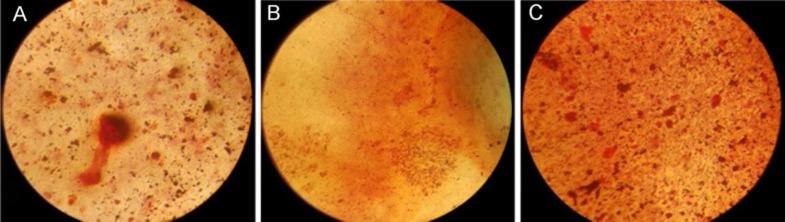
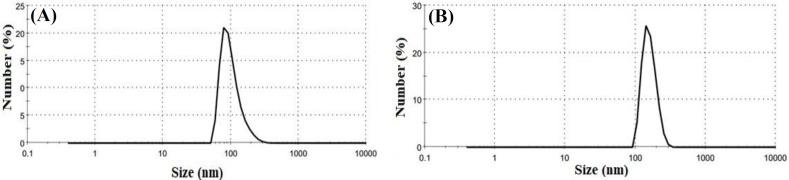
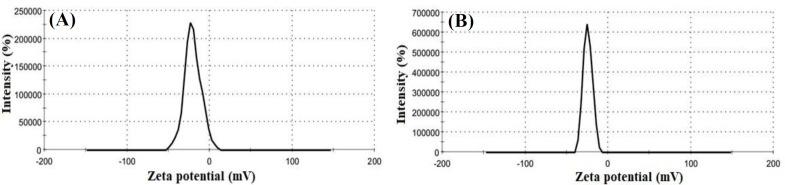
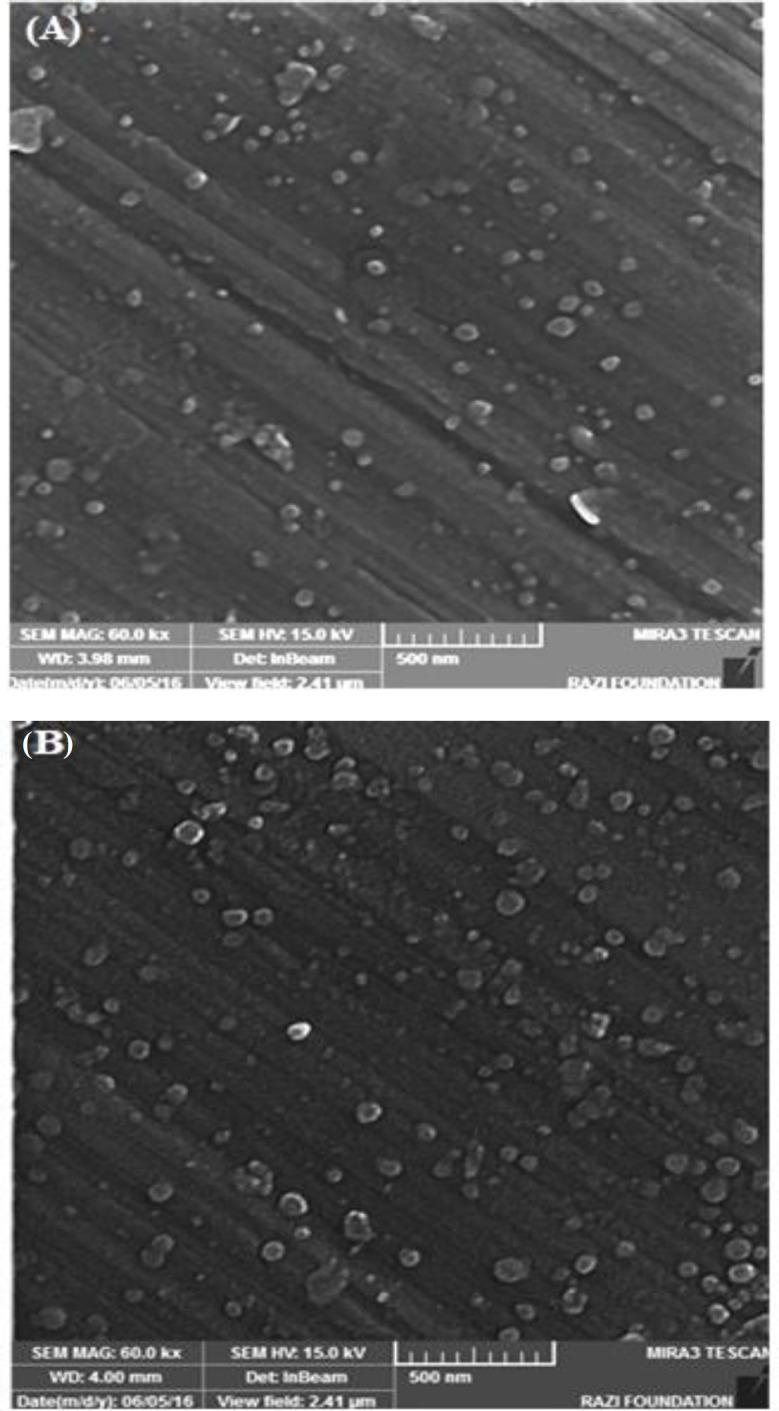
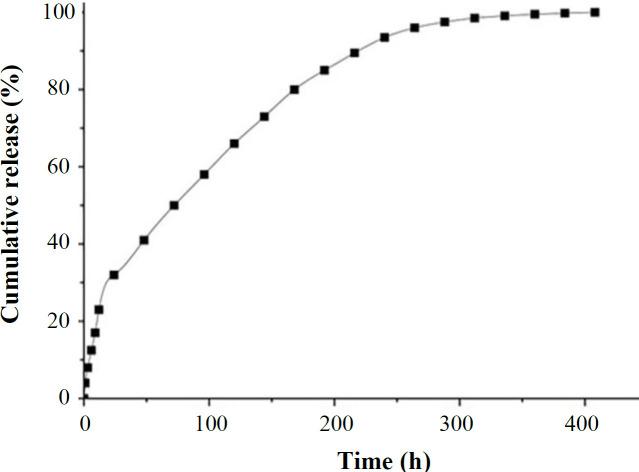
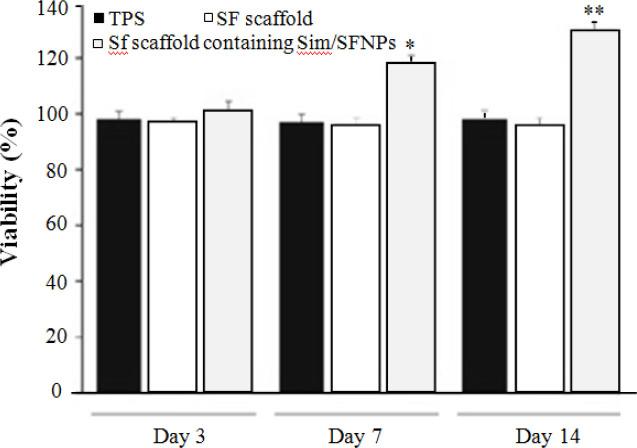
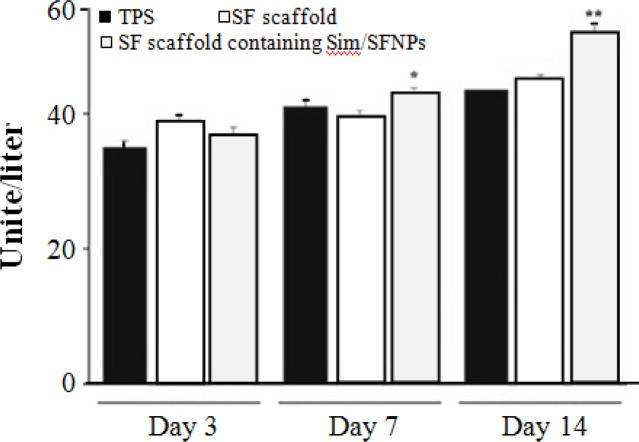
The results exhibited that the SF scaffold had a porous structure suitable for releasing the small molecule and inducing the proliferation and attachment of osteoblast cells. SFNPs containing simvastatin had spherical morphology and were 174 ± 4 nm in size with -24.5 zeta potential. Simvastatin was also successfully encapsulated within the SFNPs with 68% encapsulation efficiency. Moreover, the small molecule revealed a sustained release profile from the NPs during 35 days. The results obtained from the in vitro cell-based studies indicated that simvastatin-loaded SFNPs embedded in the scaffold had acceptable capacity to promote the proliferation and alkaline phosphatase production of osteoblast cells while inducing osteogenic matrix precipitation.
CONCLUSION
The SF scaffold containing simvastatin-loaded SFNPs could have a good potential to be used as a bone tissue-engineered construct.
背景
在本研究中,使用含有载有辛伐他汀的丝素蛋白纳米颗粒(SFNPs)的组织工程丝素蛋白(SF)支架来刺激缺损骨的再生。
方法
首先,采用冷冻干燥法制备多孔SF支架。然后通过溶解法制备载有辛伐他汀的SFNPs,并将其嵌入SF支架中。之后,对支架和纳米颗粒的物理化学性质以及释放辛伐他汀小分子的能力进行表征。
结果
结果表明,SF支架具有适合释放小分子并诱导成骨细胞增殖和附着的多孔结构。含有辛伐他汀的SFNPs呈球形,大小为174±4nm,zeta电位为-24.5。辛伐他汀也成功地包裹在SFNPs中,包封率为68%。此外,小分子在35天内从纳米颗粒中呈现出持续释放曲线。基于体外细胞研究获得的结果表明,嵌入支架中的载有辛伐他汀的SFNPs具有促进成骨细胞增殖和碱性磷酸酶产生以及诱导成骨基质沉淀的可接受能力。
结论
含有载有辛伐他汀的SFNPs的SF支架具有作为骨组织工程构建体的良好潜力。


 Zotero 插件