
LRG1 作为眼部疾病的一个新的治疗靶点。
LRG1 as a novel therapeutic target in eye disease.
机构信息
Institute of Ophthalmology, University College London, 11-43 Bath Street, London, EC1V 9EL, UK.
出版信息
Eye (Lond). 2022 Feb;36(2):328-340. doi: 10.1038/s41433-021-01807-4. Epub 2022 Jan 5.
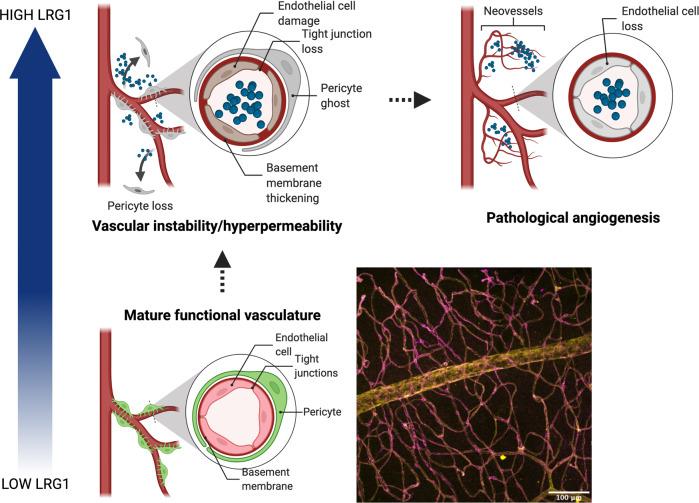
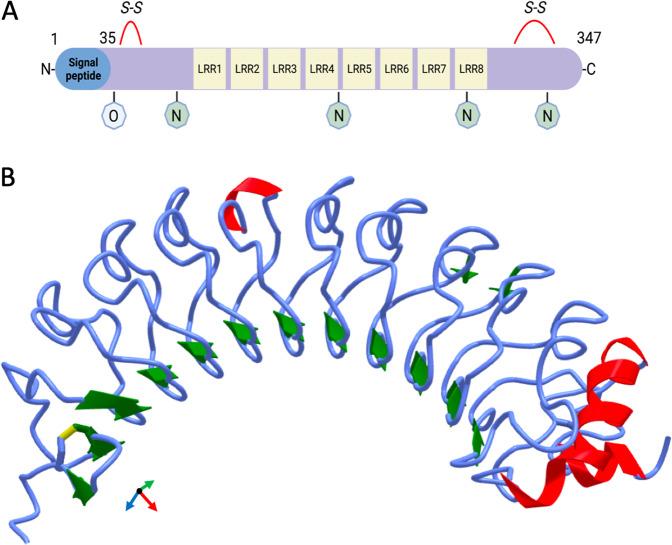
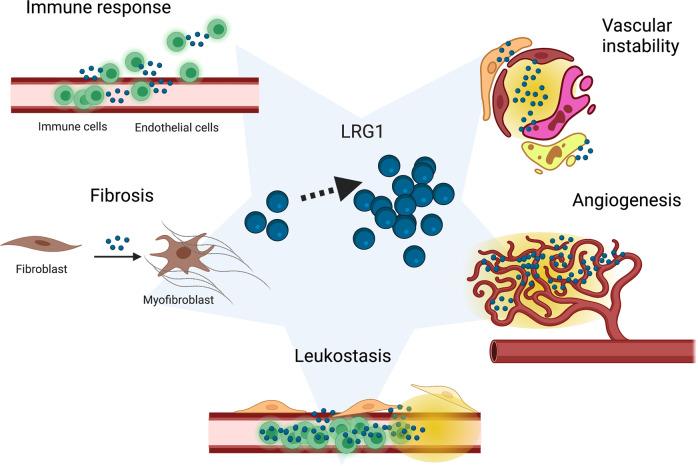
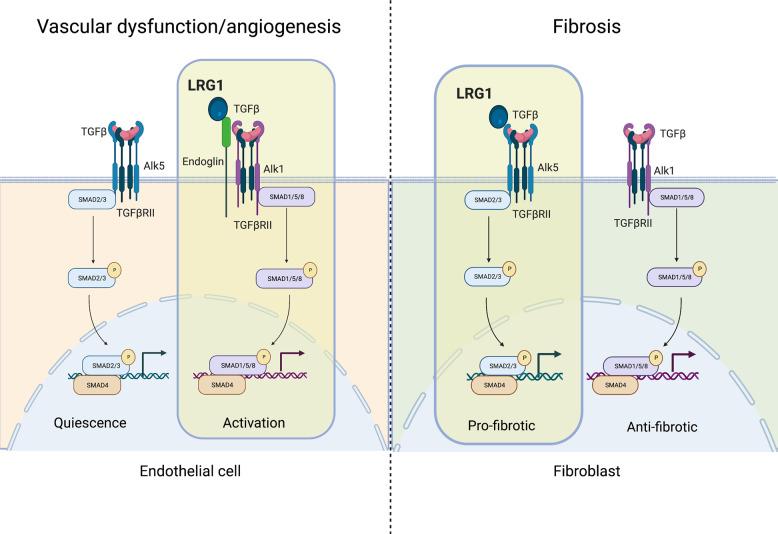
Retinal and choroidal diseases are major causes of blindness and visual impairment in the developed world and on the rise due to an ageing population and diabetes epidemic. Standard of care is centred around blockade of vascular endothelial growth factor (VEGF), but despite having halved the number of patients losing sight, a high rate of patient non-response and loss of efficacy over time are key challenges. Dysregulation of vascular homoeostasis, coupled with fibrosis and inflammation, are major culprits driving sight-threatening eye diseases. Improving our knowledge of these pathological processes should inform the development of new drugs to address the current clinical challenges for patients. Leucine-rich α-2 glycoprotein 1 (LRG1) is an emerging key player in vascular dysfunction, inflammation and fibrosis. Under physiological conditions, LRG1 is constitutively expressed by the liver and granulocytes, but little is known about its normal biological function. In pathological scenarios, such as diabetic retinopathy (DR) and neovascular age-related macular degeneration (nvAMD), its expression is ectopically upregulated and it acquires a much better understood pathogenic role. Context-dependent modulation of the transforming growth-factor β (TGFβ) pathway is one of the main activities of LRG1, but additional roles have recently been emerging. This review aims to highlight the clinical and pre-clinical evidence for the pathogenic contribution of LRG1 to vascular retinopathies, as well as extrapolate from other diseases, functions which may be relevant to eye disease. Finally, we will provide a current update on the development of anti-LRG1 therapies for the treatment of nvAMD.
视网膜和脉络膜疾病是发达国家失明和视力障碍的主要原因,由于人口老龄化和糖尿病流行,这些疾病的发病率正在上升。治疗标准集中在血管内皮生长因子 (VEGF) 的阻断上,但尽管已经使失明患者的数量减少了一半,但患者的高反应率和疗效随时间的推移而丧失仍然是主要挑战。血管内稳态失调,加上纤维化和炎症,是导致威胁视力的眼部疾病的主要罪魁祸首。提高我们对这些病理过程的认识,应该有助于开发新药来应对患者目前面临的临床挑战。富含亮氨酸的α-2 糖蛋白 1 (LRG1) 是血管功能障碍、炎症和纤维化的一个新出现的关键因素。在生理条件下,LRG1 由肝脏和粒细胞持续表达,但对其正常生物学功能知之甚少。在病理情况下,如糖尿病性视网膜病变 (DR) 和新生血管性年龄相关性黄斑变性 (nvAMD),其表达异位上调,并具有更被理解的致病作用。转化生长因子 β (TGFβ) 途径的上下文依赖性调节是 LRG1 的主要活动之一,但最近又出现了其他作用。这篇综述旨在强调 LRG1 对血管性视网膜病变的致病作用的临床和临床前证据,并从其他疾病中推断出可能与眼部疾病相关的功能。最后,我们将提供关于抗 LRG1 治疗 nvAMD 的最新进展。
 Zotero 插件