
对低肿瘤含量样本中的游离 DNA 进行全基因组深度测序分析。
Whole genome deep sequencing analysis of cell-free DNA in samples with low tumour content.
机构信息
Institute for Molecular Bioscience, University of Queensland, St Lucia, Brisbane, Australia.
Department of Clinical Pathology, The University of Melbourne, Parkville, Melbourne, Australia.
出版信息
BMC Cancer. 2022 Jan 20;22(1):85. doi: 10.1186/s12885-021-09160-1.
BACKGROUND
Circulating cell-free DNA (cfDNA) in the plasma of cancer patients contains cell-free tumour DNA (ctDNA) derived from tumour cells and it has been widely recognized as a non-invasive source of tumour DNA for diagnosis and prognosis of cancer. Molecular profiling of ctDNA is often performed using targeted sequencing or low-coverage whole genome sequencing (WGS) to identify tumour specific somatic mutations or somatic copy number aberrations (sCNAs). However, these approaches cannot efficiently detect all tumour-derived genomic changes in ctDNA.
METHODS
We performed WGS analysis of cfDNA from 4 breast cancer patients and 2 patients with benign tumours. We sequenced matched germline DNA for all 6 patients and tumour samples from the breast cancer patients. All samples were sequenced on Illumina HiSeqXTen sequencing platform and achieved approximately 30x, 60x and 100x coverage on germline, tumour and plasma DNA samples, respectively.
RESULTS
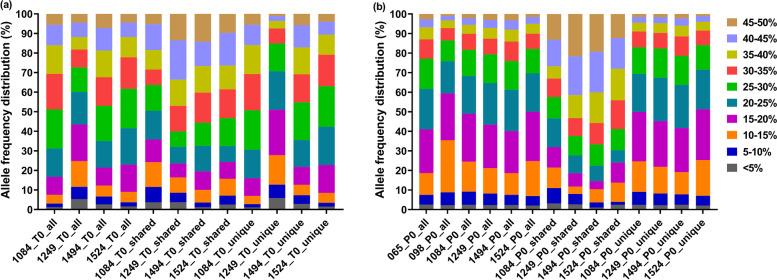
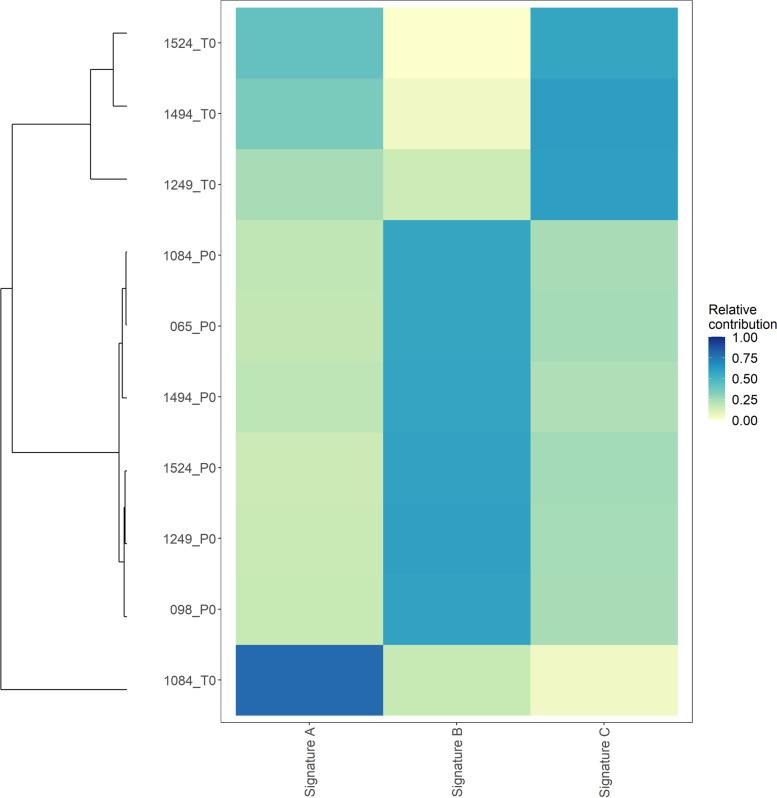
The mutational burden of the plasma samples (1.44 somatic mutations/Mb of genome) was higher than the matched tumour samples. However, 90% of high confidence somatic cfDNA variants were not detected in matched tumour samples and were found to comprise two background plasma mutational signatures. In contrast, cfDNA from the di-nucleosome fraction (300 bp-350 bp) had much higher proportion (30%) of variants shared with tumour. Despite high coverage sequencing we were unable to detect sCNAs in plasma samples.
CONCLUSIONS
Deep sequencing analysis of plasma samples revealed higher fraction of unique somatic mutations in plasma samples, which were not detected in matched tumour samples. Sequencing of di-nucleosome bound cfDNA fragments may increase recovery of tumour mutations from plasma.
背景
癌症患者血浆中的循环无细胞 DNA(cfDNA)包含源自肿瘤细胞的无细胞肿瘤 DNA(ctDNA),它已被广泛认为是用于癌症诊断和预后的肿瘤 DNA 的非侵入性来源。ctDNA 的分子分析通常采用靶向测序或低覆盖度全基因组测序(WGS)来识别肿瘤特异性体细胞突变或体细胞拷贝数异常(sCNA)。然而,这些方法不能有效地检测 ctDNA 中的所有肿瘤衍生的基因组变化。
方法
我们对 4 名乳腺癌患者和 2 名良性肿瘤患者的 cfDNA 进行了 WGS 分析。我们对所有 6 名患者的匹配种系 DNA 和乳腺癌患者的肿瘤样本进行了测序。所有样本均在 Illumina HiSeqXTen 测序平台上进行测序,在种系、肿瘤和血浆 DNA 样本上分别实现了约 30x、60x 和 100x 的覆盖度。
结果
血浆样本的突变负担(1.44 个体细胞突变/Mb 基因组)高于匹配的肿瘤样本。然而,90%的高可信度体细胞 cfDNA 变体在匹配的肿瘤样本中未被检测到,并且被发现包含两个背景血浆突变特征。相比之下,来自二核小体部分(300bp-350bp)的 cfDNA 具有更高比例(30%)与肿瘤共享的变体。尽管进行了高覆盖率测序,但我们仍无法在血浆样本中检测到 sCNA。
结论
对血浆样本的深度测序分析显示,血浆样本中存在更高比例的独特体细胞突变,而在匹配的肿瘤样本中未检测到这些突变。对二核小体结合 cfDNA 片段的测序可能会增加从血浆中回收肿瘤突变的比例。



 Zotero 插件