
组蛋白赖氨酸去甲基酶 Jumonji C 结构域抑制剂通过 APC/Cdh1 依赖性降解 CtIP 和 PAF15 克服非小细胞肺癌中的顺铂和紫杉醇耐药性。
Inhibitors of Jumonji C domain-containing histone lysine demethylases overcome cisplatin and paclitaxel resistance in non-small cell lung cancer through APC/Cdh1-dependent degradation of CtIP and PAF15.
机构信息
Department of Cell & Molecular Medicine, Rush University Medical Center, Chicago, IL, USA.
Robert H. Lurie Comprehensive Cancer Center of Northwestern University, Chicago, IL, USA.
出版信息
Cancer Biol Ther. 2022 Dec 31;23(1):65-75. doi: 10.1080/15384047.2021.2020060.
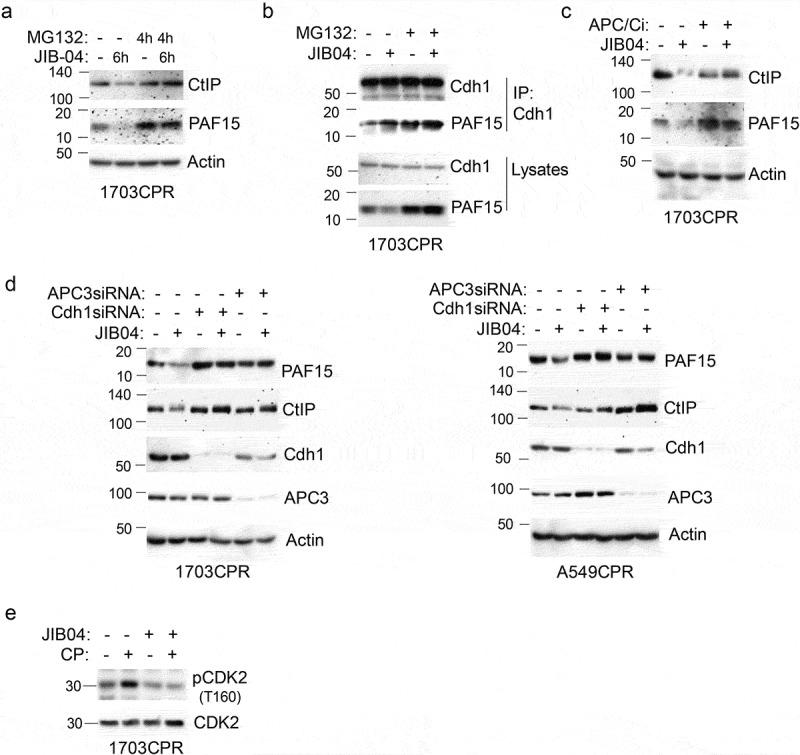
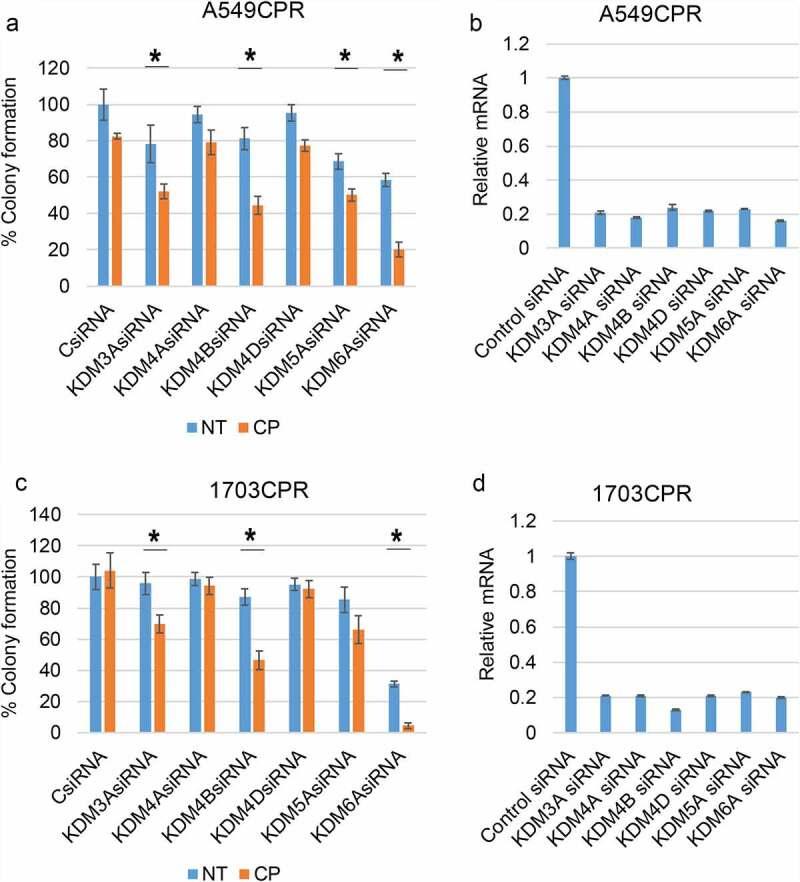
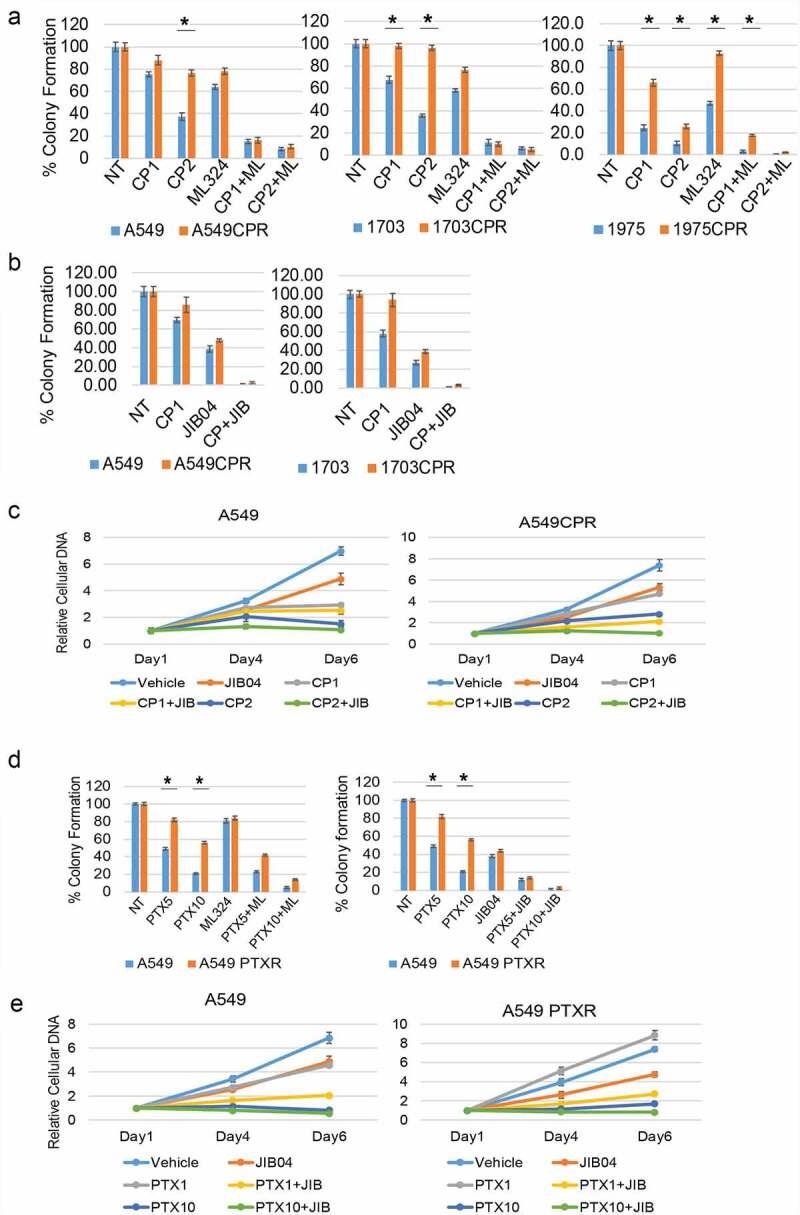
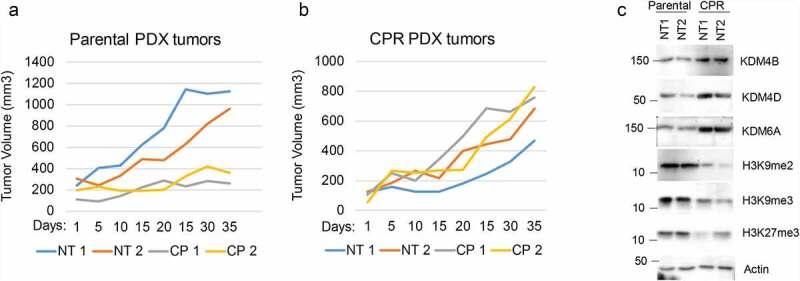
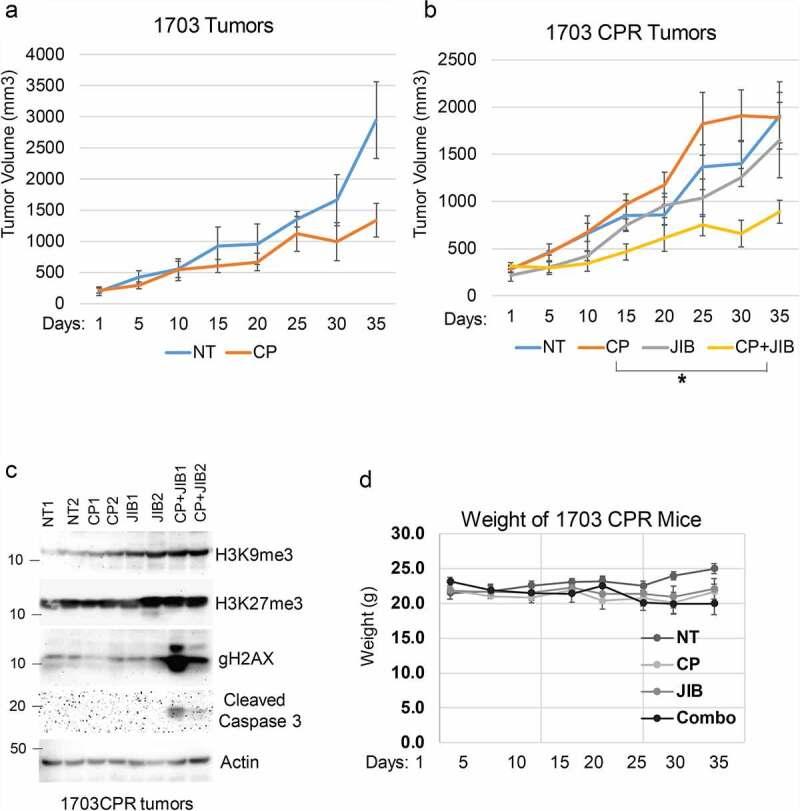
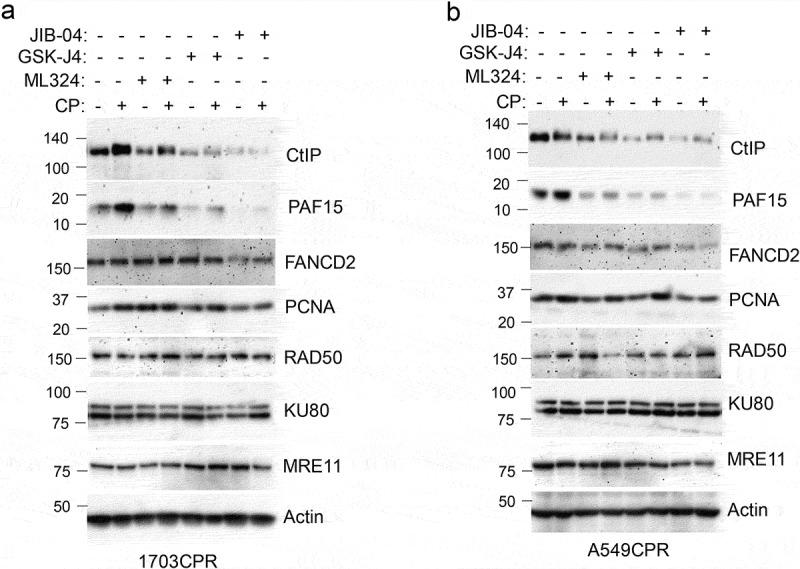
The Jumonji C domain-containing family of histone lysine demethylases (Jumonji KDMs) have emerged as promising cancer therapy targets. These enzymes remove methyl groups from various histone lysines and, in turn, regulate processes including chromatin compaction, gene transcription, and DNA repair. Small molecule inhibitors of Jumonji KDMs have shown promise in preclinical studies against non-small cell lung cancer (NSCLC) and other cancers. However, how these inhibitors influence cancer therapy responses and/or DNA repair is incompletely understood. In this study, we established cell line and PDX tumor model systems of cisplatin and paclitaxel-resistant NSCLC. We showed that resistant cells and tumors express high levels of Jumonji-KDMs. Knockdown of individual KDMs or treatment with a pan-Jumonji KDM inhibitor sensitized the cells and tumors to cisplatin and paclitaxel and blocked NSCLC in vivo tumor growth. Mechanistically, we found inhibition of Jumonji-KDMs triggers APC/Cdh1-dependent degradation of CtIP and PAF15, two DNA repair proteins that promote repair of cisplatin and paclitaxel-induced DNA lesions. Knockdown of CtIP and PAF15 sensitized resistant cells to cisplatin, indicating their degradation when Jumonji KDMs are inhibited contributes to cisplatin sensitivity. Our results support the idea that Jumonji-KDMs are a targetable barrier to effective therapy responses in NSCLC. Inhibition of Jumonji KDMs increases therapy (cisplatin/paclitaxel) sensitivity in NSCLC cells, at least in part, by promoting APC/Cdh1-dependent degradation of CtIP and PAF15.
组蛋白赖氨酸去甲基酶家族(Jumonji KDMs)作为有前途的癌症治疗靶点已经出现。这些酶从各种组蛋白赖氨酸上去除甲基基团,进而调节包括染色质紧缩、基因转录和 DNA 修复在内的过程。Jumonji KDM 的小分子抑制剂在非小细胞肺癌(NSCLC)和其他癌症的临床前研究中显示出希望。然而,这些抑制剂如何影响癌症治疗反应和/或 DNA 修复尚不完全清楚。在这项研究中,我们建立了顺铂和紫杉醇耐药 NSCLC 的细胞系和 PDX 肿瘤模型系统。我们表明,耐药细胞和肿瘤表达高水平的 Jumonji-KDMs。单独敲低 KDM 或用泛 Jumonji KDM 抑制剂处理可使细胞和肿瘤对顺铂和紫杉醇敏感,并阻止 NSCLC 体内肿瘤生长。从机制上讲,我们发现抑制 Jumonji-KDMs 触发 APC/Cdh1 依赖性降解 CtIP 和 PAF15,这两种 DNA 修复蛋白促进修复顺铂和紫杉醇诱导的 DNA 损伤。CtIP 和 PAF15 的敲低使耐药细胞对顺铂敏感,表明当 Jumonji KDMs 被抑制时,它们的降解有助于顺铂敏感性。我们的结果支持这样一种观点,即 Jumonji-KDMs 是 NSCLC 中有效治疗反应的可靶向障碍。抑制 Jumonji KDMs 通过促进 APC/Cdh1 依赖性降解 CtIP 和 PAF15,至少部分增加 NSCLC 细胞对治疗(顺铂/紫杉醇)的敏感性。


 Zotero 插件