
心血管代谢疾病谱的微生物组和代谢组特征。
Microbiome and metabolome features of the cardiometabolic disease spectrum.
机构信息
MetaGenoPolis, INRAe, AgroParisTech, Université Paris-Saclay, Paris, France.
Structural and Computational Biology, European Molecular Biology Laboratory, Heidelberg, Germany.
出版信息
Nat Med. 2022 Feb;28(2):303-314. doi: 10.1038/s41591-022-01688-4. Epub 2022 Feb 17.
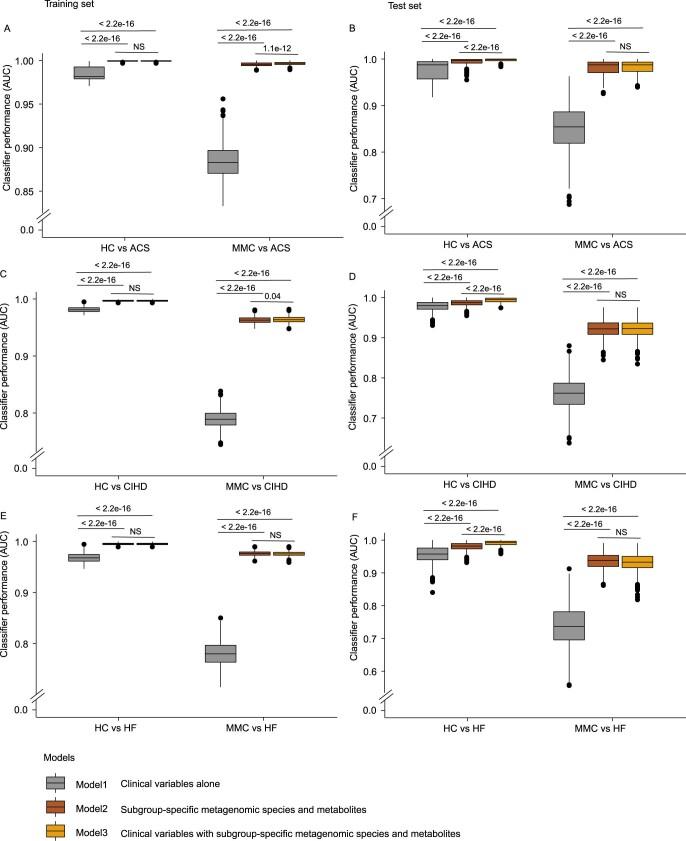
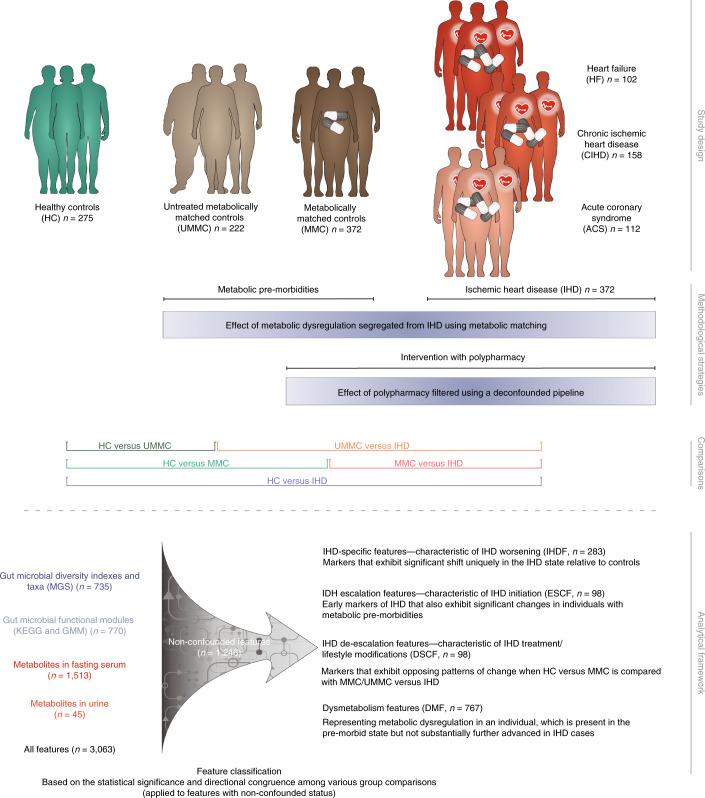
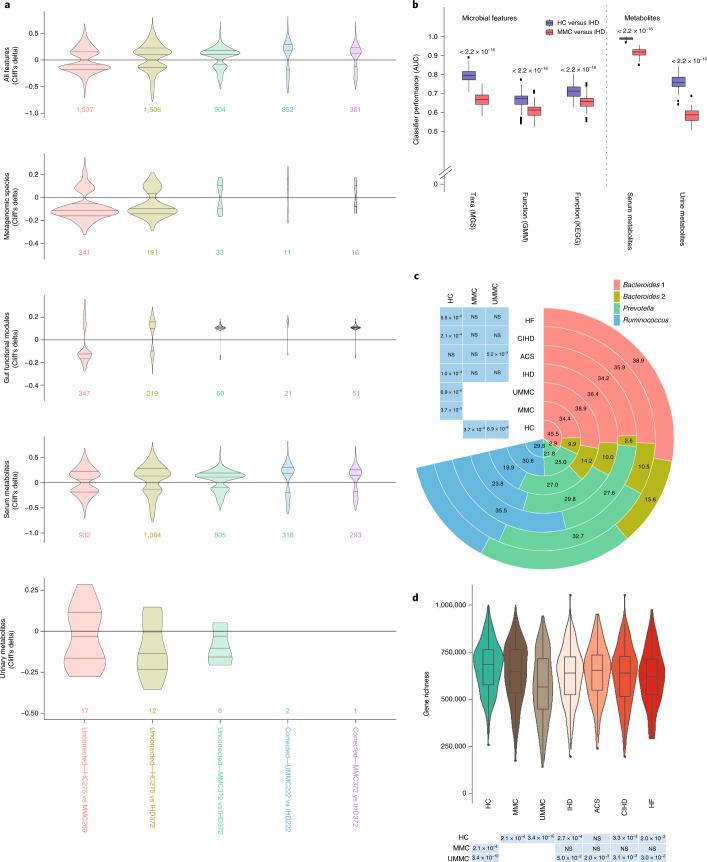
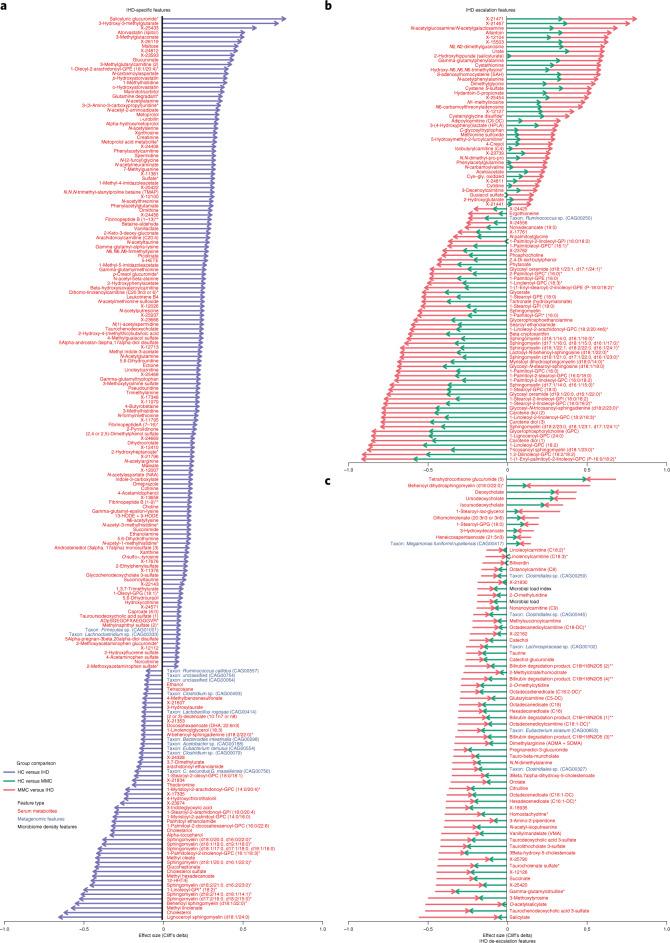
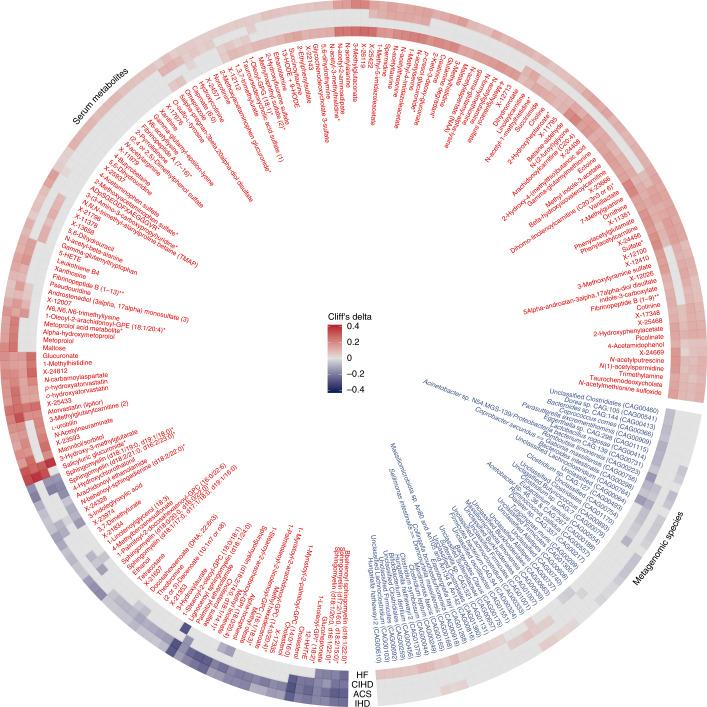
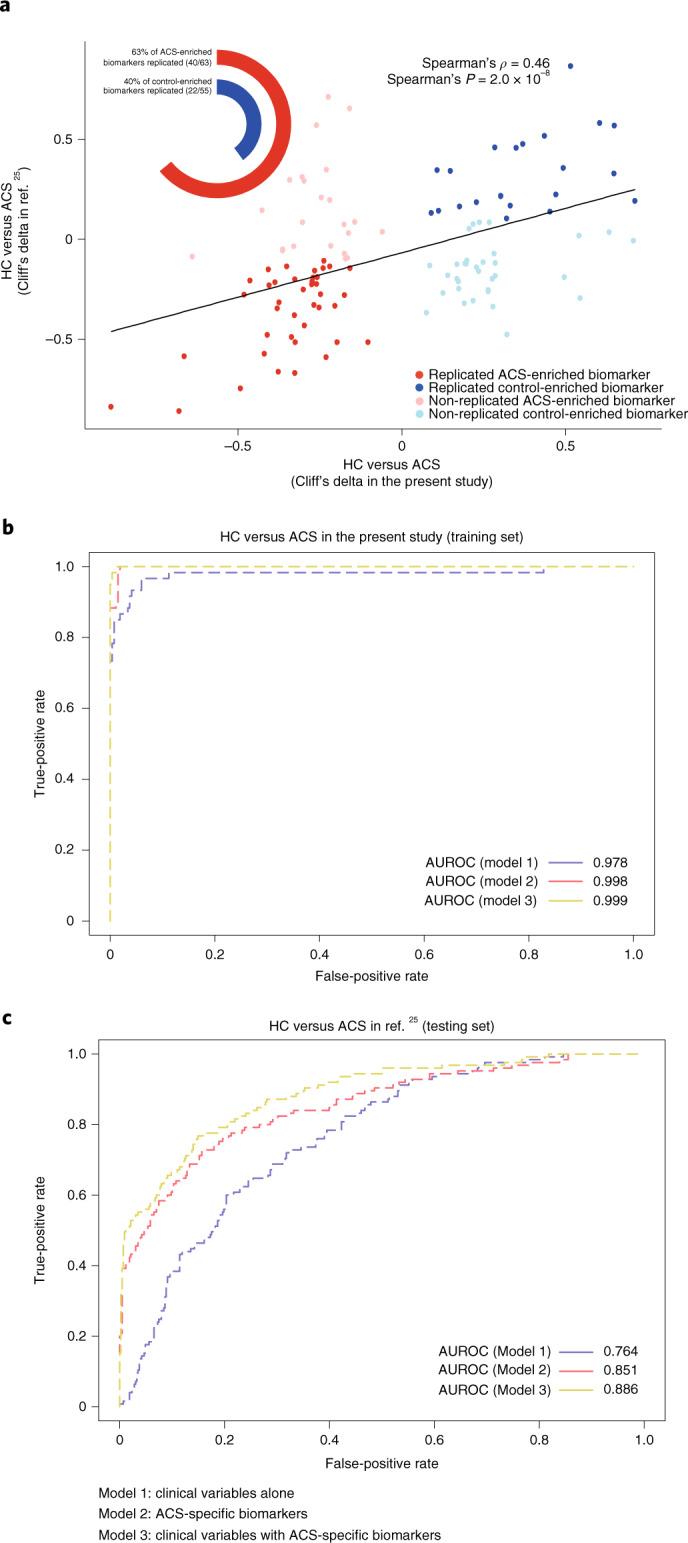
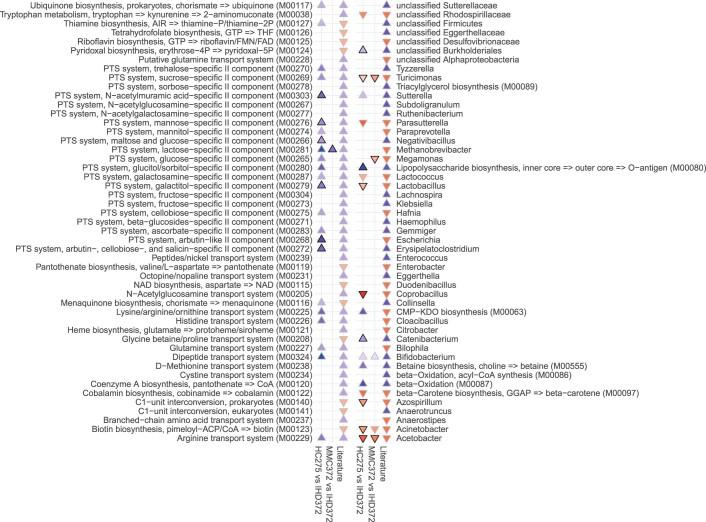
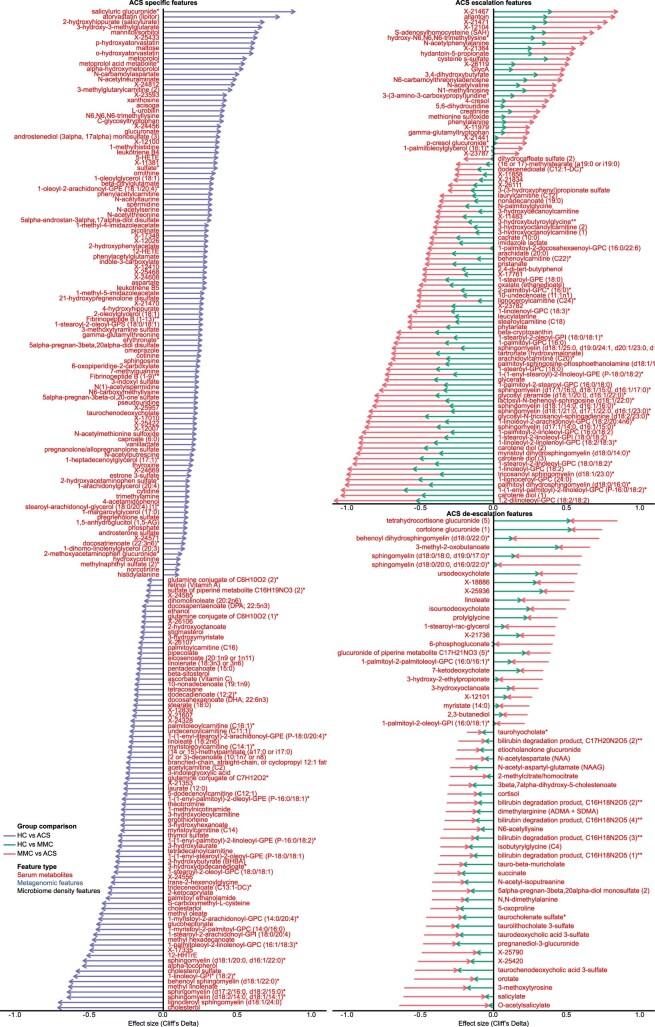
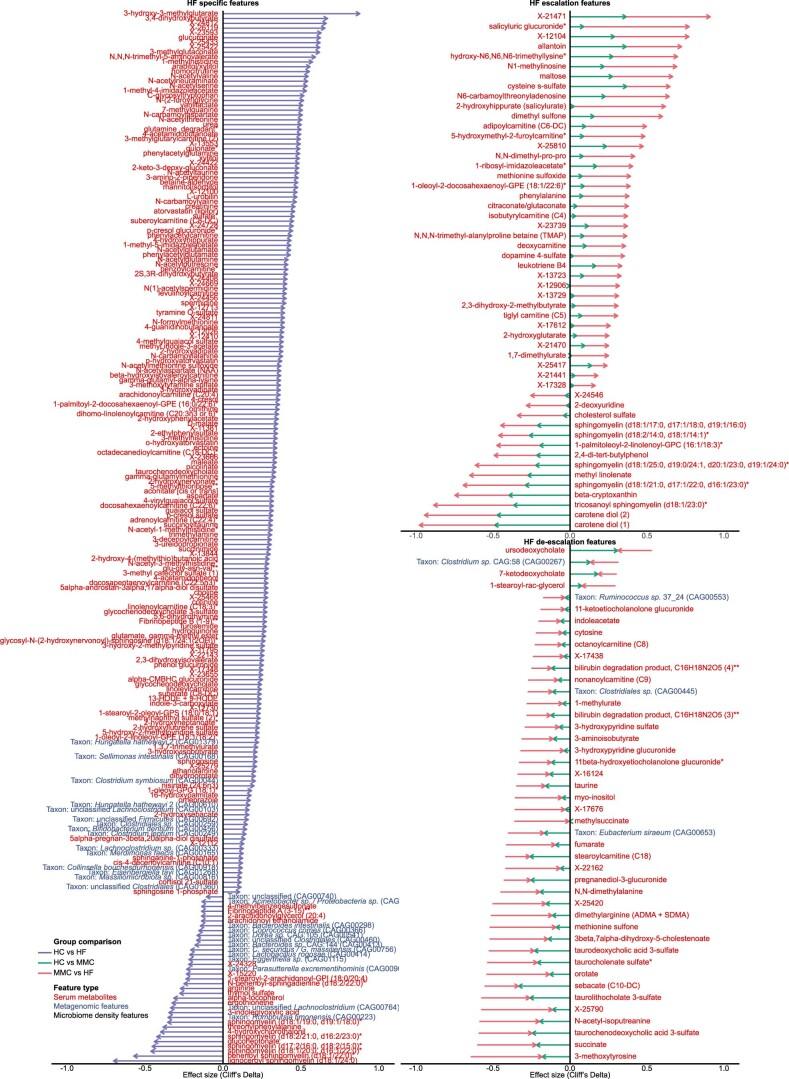
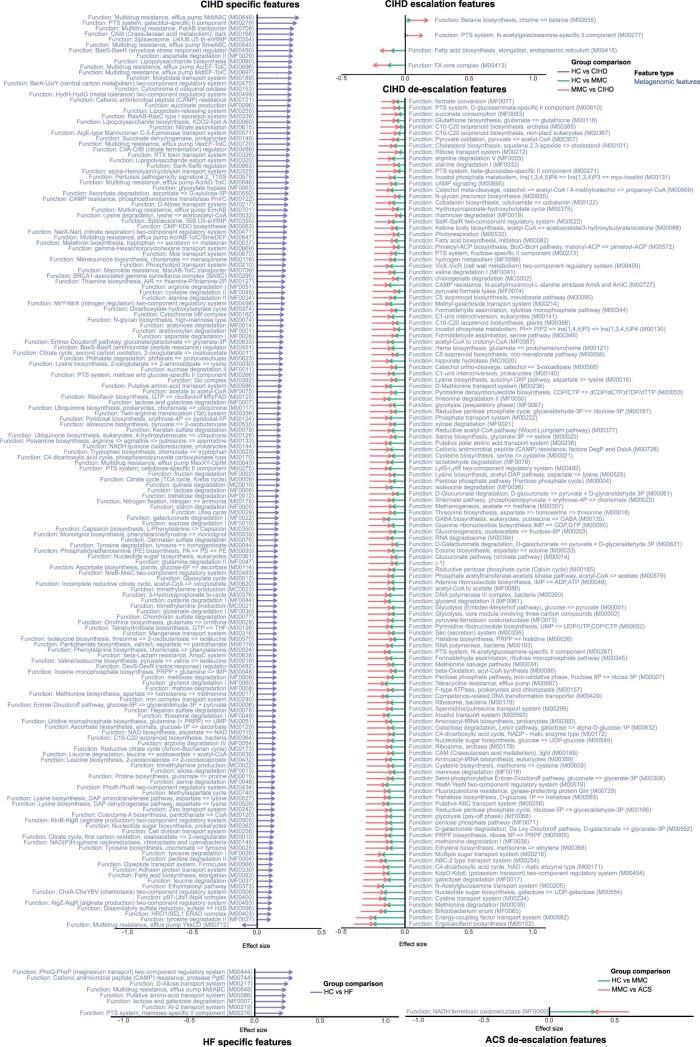
Previous microbiome and metabolome analyses exploring non-communicable diseases have paid scant attention to major confounders of study outcomes, such as common, pre-morbid and co-morbid conditions, or polypharmacy. Here, in the context of ischemic heart disease (IHD), we used a study design that recapitulates disease initiation, escalation and response to treatment over time, mirroring a longitudinal study that would otherwise be difficult to perform given the protracted nature of IHD pathogenesis. We recruited 1,241 middle-aged Europeans, including healthy individuals, individuals with dysmetabolic morbidities (obesity and type 2 diabetes) but lacking overt IHD diagnosis and individuals with IHD at three distinct clinical stages-acute coronary syndrome, chronic IHD and IHD with heart failure-and characterized their phenome, gut metagenome and serum and urine metabolome. We found that about 75% of microbiome and metabolome features that distinguish individuals with IHD from healthy individuals after adjustment for effects of medication and lifestyle are present in individuals exhibiting dysmetabolism, suggesting that major alterations of the gut microbiome and metabolome might begin long before clinical onset of IHD. We further categorized microbiome and metabolome signatures related to prodromal dysmetabolism, specific to IHD in general or to each of its three subtypes or related to escalation or de-escalation of IHD. Discriminant analysis based on specific IHD microbiome and metabolome features could better differentiate individuals with IHD from healthy individuals or metabolically matched individuals as compared to the conventional risk markers, pointing to a pathophysiological relevance of these features.
先前的微生物组和代谢组分析探索非传染性疾病时,很少关注研究结果的主要混杂因素,如常见的、发病前和共病情况,或多种药物治疗。在这里,在缺血性心脏病(IHD)的背景下,我们使用了一种研究设计,该设计可以随着时间的推移重现疾病的发生、进展和对治疗的反应,反映了一种纵向研究,否则由于 IHD 发病机制的漫长性质,这种研究很难进行。我们招募了 1241 名中年欧洲人,包括健康个体、代谢异常(肥胖和 2 型糖尿病)但没有明显 IHD 诊断的个体以及处于三个不同临床阶段的 IHD 个体——急性冠状动脉综合征、慢性 IHD 和 IHD 合并心力衰竭,并对他们的表型、肠道宏基因组以及血清和尿液代谢组进行了特征描述。我们发现,在调整药物和生活方式影响后,大约 75%的将 IHD 患者与健康个体区分开来的微生物组和代谢组特征存在于代谢异常个体中,这表明肠道微生物组和代谢组的重大改变可能早在 IHD 临床发病之前就已经开始了。我们进一步对与前驱代谢异常相关的微生物组和代谢组特征进行分类,这些特征与一般 IHD 或其三种亚型相关,或与 IHD 的进展或消退相关。基于特定 IHD 微生物组和代谢组特征的判别分析可以更好地区分 IHD 患者与健康个体或代谢匹配个体,与传统的风险标志物相比,这些特征指向了这些特征的病理生理相关性。





 Zotero 插件