
醛脱氢酶 2 家族成员(ALDH2)是结直肠癌治疗中 p53 功能障碍对奥沙利铂反应的治疗指标。
Aldehyde Dehydrogenase 2 Family Member (ALDH2) Is a Therapeutic Index for Oxaliplatin Response on Colorectal Cancer Therapy with Dysfunction p53.
机构信息
Graduate Institute of Clinical Medicine, College of Medicine, Taipei Medical University, Taipei, Taiwan.
Division of Colorectal Surgery, Department of Surgery, Taipei Medical University Hospital, Taipei Medical University, Taipei, Taiwan.
出版信息
Biomed Res Int. 2022 Feb 7;2022:1322788. doi: 10.1155/2022/1322788. eCollection 2022.
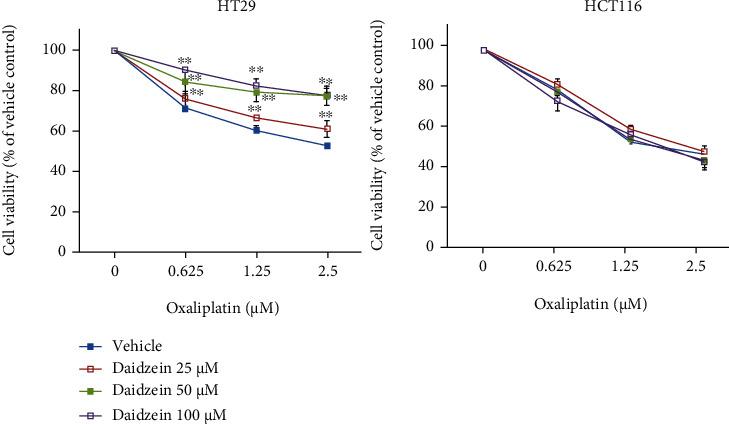
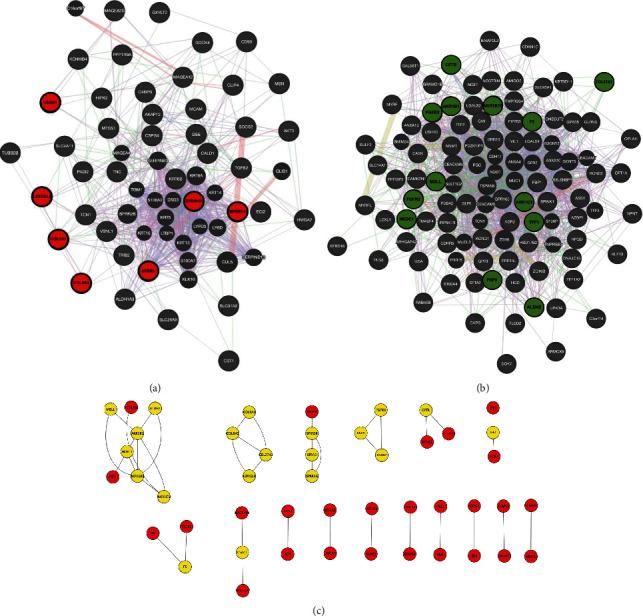
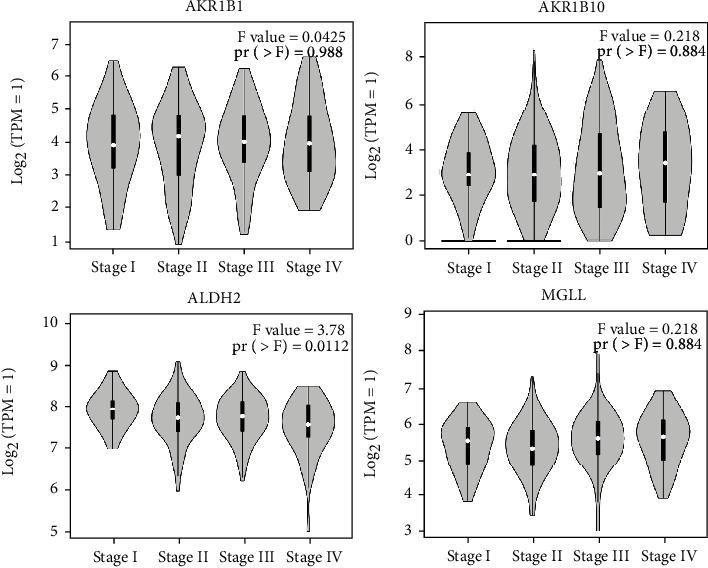
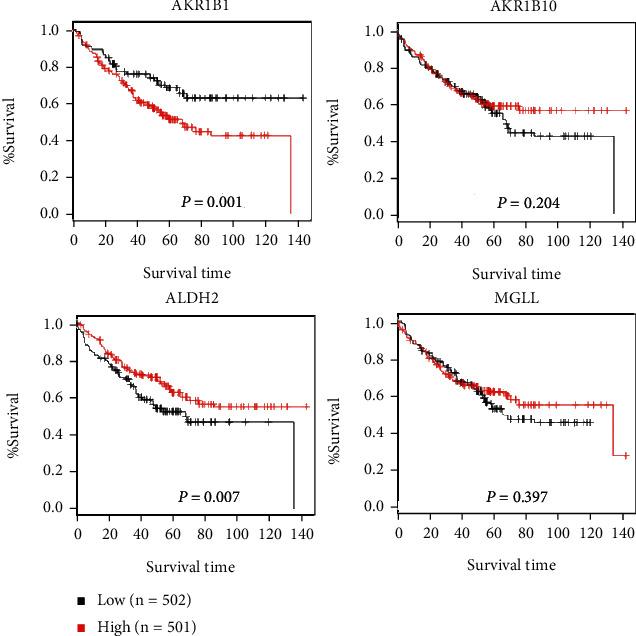
Oxaliplatin resistance is a major issue in the treatment of p53 mutant colorectal cancer (CRC). Finding the specific biomarkers would improve therapeutic efficacy of patients with CRC. In order to figure out the biomarker for CRC patients with mutant p53 access oxaliplatin, a Gene Expression Omnibus dataset (GSE42387) was used to determine differentially expressed genes (DEGs). The Search Tool for the Retrieval of Interacting Genes (STRING) and Cytoscape software were used to predict protein-protein interactions. The Database for Annotation, Visualization, and Integrated Discovery online tool was used to group the DEGs into their common pathways. 138 DEGs were identified with 46 upregulated and 92 downregulated. In the PPI networks, 7 of the upregulated genes and 13 of the downregulated genes were identified as hub genes (high degrees). Four hub genes, aldehyde dehydrogenase 2 family member (ALDH2), aldo-keto reductase family 1 member B1 (AKR1B1), aldo-keto reductase family 1 member B10 (AKR1B10), and monoglyceride lipase (MGLL) were enriched in the most significant pathway, glycerolipid metabolism. Further, we found that low expression of ALDH2 is correlated with poor overall survival and oxaliplatin resistance. Finally, we found that combined treatment with ALDH2 inhibitor and oxaliplatin will reduce the sensitivity to oxaliplatin in p53 mutant HT29 cells. In conclusion, we demonstrate that ALDH2 may be a biomarker for oxaliplatin resistance status in CRC patients and bring new insight into treatment strategy for p53 mutant CRC patients.
奥沙利铂耐药是治疗 p53 突变型结直肠癌(CRC)的主要问题。寻找特定的生物标志物将提高 CRC 患者的治疗效果。为了确定 p53 突变型 CRC 患者对奥沙利铂耐药的生物标志物,使用了基因表达综合数据库(GSE42387)来确定差异表达基因(DEGs)。使用搜索工具检索基因相互作用(STRING)和 Cytoscape 软件来预测蛋白质-蛋白质相互作用。使用数据库注释、可视化和综合发现在线工具将 DEGs 分组到它们常见的途径中。鉴定出 138 个 DEGs,其中 46 个上调,92 个下调。在 PPI 网络中,鉴定出 7 个上调基因和 13 个下调基因作为枢纽基因(高程度)。四个枢纽基因,醛脱氢酶 2 家族成员(ALDH2)、醛酮还原酶家族 1 成员 B1(AKR1B1)、醛酮还原酶家族 1 成员 B10(AKR1B10)和单甘油酯脂肪酶(MGLL)在最重要的途径,甘油脂代谢中富集。此外,我们发现 ALDH2 的低表达与整体生存率和奥沙利铂耐药性差相关。最后,我们发现 ALDH2 抑制剂和奥沙利铂联合治疗可降低 p53 突变型 HT29 细胞对奥沙利铂的敏感性。总之,我们证明 ALDH2 可能是 CRC 患者奥沙利铂耐药状态的生物标志物,并为 p53 突变型 CRC 患者的治疗策略提供了新的见解。


 Zotero 插件