
女性生殖期:一项系统的范围综述。
Women's reproductive span: a systematic scoping review.
作者信息
Nabhan A F, Mburu G, Elshafeey F, Magdi R, Kamel M, Elshebiny M, Abuelnaga Y G, Ghonim M, Abdelhamid M H, Ghonim Mo, Eid P, Morsy A, Nasser M, Abdelwahab N, Elhayatmy F, Hussein A A, Elgabaly N, Sawires E, Tarkhan Y, Doas Y, Farrag N, Amir A, Gobran M F, Maged M, Abdulhady M, Sherif Y, Dyab M, Kiarie J
机构信息
Department of Obstetrics and Gynecology, Faculty of Medicine, Ain Shams University, Cairo, Egypt.
The UNDP/UNFPA/UNICEF/WHO/World Bank Special Programme of Research, Development and Research Training in Human Reproduction (HRP Research), World Health Organization, Geneva, Switzerland.
出版信息
Hum Reprod Open. 2022 Feb 11;2022(2):hoac005. doi: 10.1093/hropen/hoac005. eCollection 2022.
STUDY QUESTION
What is the scope of literature regarding women's reproductive span in terms of definitions, trends and determinants?
SUMMARY ANSWER
The scoping review found a wide variation in definitions, trends and determinants of biological, social and effective women's reproductive span.
WHAT IS KNOWN ALREADY
A woman's reproductive span refers to her childbearing years. Its span influences a woman's reproductive decisions.
STUDY DESIGN SIZE DURATION
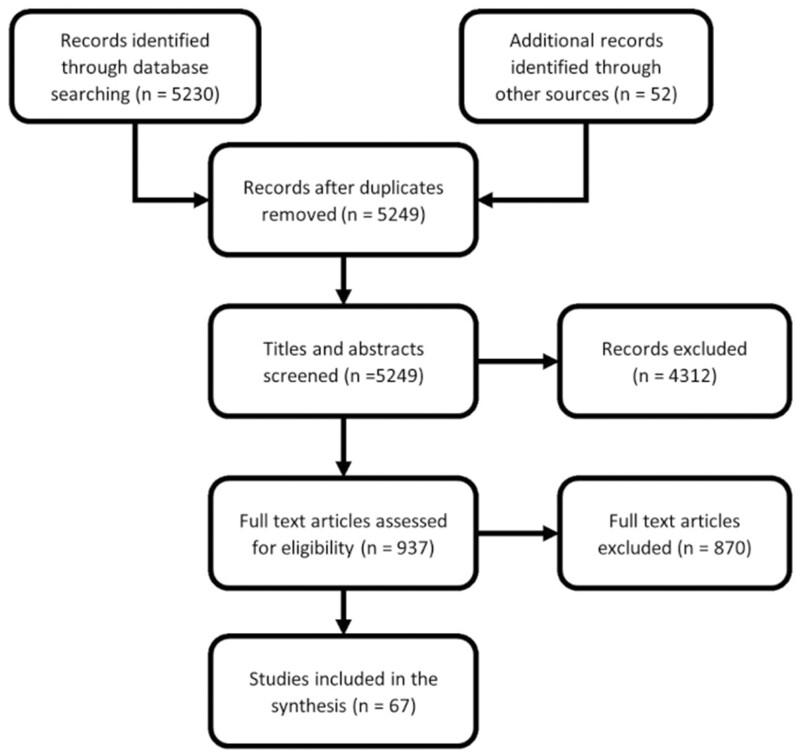
A systematic scoping review was conducted. We searched MEDLINE, PubMed, JSTOR, CINAHL, Web of Science and Scopus electronic databases from inception to January 2021 without imposing language or date restrictions. We searched unpublished sources including the Global Burden of Disease, Demographic and Health Surveys, and National Health and Nutrition Examination Surveys. The list of relevant references was searched by hand. Sixty-seven reports on women's reproductive span were included in this review.
PARTICIPANTS/MATERIALS SETTING METHODS: This scoping systematic review followed an established framework. The reporting of this scoping review followed the reporting requirements provided in the Preferred Reporting Items for Systematic Reviews and Meta-Analyses, Extension for Scoping Reviews. Identified records were independently screened and data were extracted. We performed conceptual synthesis by grouping the studies by available concepts of reproductive span and then summarized definitions, measures used, temporal trends, determinants, and broad findings of implications on population demographics and assisted reproduction. Structured tabulation and graphical synthesis were used to show patterns in the data and convey detailed information efficiently, along with a narrative commentary.
MAIN RESULTS AND THE ROLE OF CHANCE
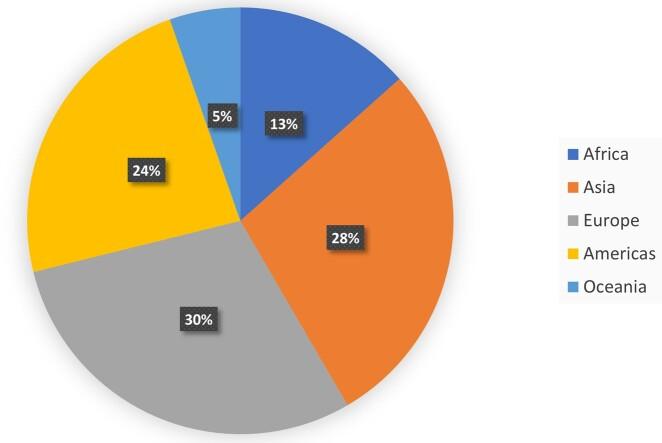
A total of 67 relevant reports on women's reproductive span were published between 1980 and 2020 from 74 countries. Most reports (42/67) were cross-sectional in design. Literature on reproductive span was conceptually grouped as biological (the interval between age at menarche and age at menopause), effective (when a woman is both fertile and engaging in sexual activity) and social (period of exposure to sexual activity). We summarized the working definitions, trends and determinants of each concept. Few articles addressed implications on demographics and assisted reproduction.
LIMITATIONS REASONS FOR CAUTION
A formal assessment of methodological quality of the included studies was not performed because the aim of this review was to provide an overview of the existing evidence base regardless of quality.
WIDER IMPLICATIONS OF THE FINDINGS
The review produced a comprehensive set of possible definitions of women's reproductive span, trends, and potential determinants. Further advancement of these findings will involve collaboration with relevant stakeholders to rate the importance of each definition in relation to demography and fertility care, outline a set of core definitions, identify implications for policy, practice or research and define future research opportunities to explore linkages between reproductive spans, their determinants, and the need for assisted reproduction.
STUDY FUNDING/COMPETING INTERESTS: This work received funding from the UNDP-UNFPA-UNICEF-WHO-World Bank Special Programme of Research, Development and Research Training in Human Reproduction (HRP), a cosponsored programme executed by the World Health Organization (WHO). The authors had no competing interests.
STUDY REGISTRATION NUMBER
N/A.
研究问题
关于女性生殖期的定义、趋势和决定因素,文献的范围是什么?
总结答案
范围综述发现,在生物学、社会和有效女性生殖期的定义、趋势和决定因素方面存在很大差异。
已知信息
女性的生殖期是指其生育年龄。其范围会影响女性的生殖决策。
研究设计、规模、持续时间:进行了一项系统的范围综述。我们检索了MEDLINE、PubMed、JSTOR、CINAHL、科学网和Scopus电子数据库,检索时间从数据库创建之初至2021年1月,不设语言或日期限制。我们还检索了未发表的资料来源,包括全球疾病负担、人口与健康调查以及国家健康与营养检查调查。通过手工检索相关参考文献列表。本综述纳入了67篇关于女性生殖期的报告。
参与者/材料、环境、方法:本范围系统综述遵循既定框架。本范围综述的报告遵循系统评价和Meta分析的首选报告项目(PRISMA)扩展版中范围综述的报告要求。对识别出的记录进行独立筛选并提取数据。我们通过根据生殖期的现有概念对研究进行分组来进行概念性综合,然后总结定义、使用的测量方法、时间趋势、决定因素以及对人口统计学和辅助生殖的广泛影响。使用结构化表格和图形综合来展示数据模式并有效地传达详细信息,同时伴有叙述性评论。
主要结果及机遇的作用
1980年至2020年间,来自74个国家共发表了67篇关于女性生殖期的相关报告。大多数报告(42/67)为横断面设计。关于生殖期的文献在概念上分为生物学(月经初潮年龄与绝经年龄之间的间隔)、有效(女性既具有生育能力又进行性活动的时期)和社会(性活动暴露期)。我们总结了每个概念的工作定义、趋势和决定因素。很少有文章涉及对人口统计学和辅助生殖的影响。
局限性、谨慎的理由:未对纳入研究的方法学质量进行正式评估,因为本综述的目的是提供现有证据基础的概述,而不考虑质量。
研究结果的更广泛影响
该综述得出了一套关于女性生殖期、趋势和潜在决定因素的全面可能定义。这些研究结果的进一步推进将涉及与相关利益攸关方合作,以评估每个定义相对于人口统计学和生育保健的重要性,概述一套核心定义,确定对政策、实践或研究的影响,并确定未来研究机会,以探索生殖期、其决定因素与辅助生殖需求之间的联系。
研究资金/利益冲突:本研究得到了联合国开发计划署-联合国人口基金-联合国儿童基金会-世界卫生组织-世界银行人类生殖特别研究、发展和研究培训计划(HRP)的资助,该计划由世界卫生组织(WHO)共同赞助。作者没有利益冲突。
研究注册号
无。

 Zotero 插件