
人乳头瘤病毒阳性癌症致癌过程、肿瘤微环境及药物反应的综合分析
Comprehensive Analysis of the Carcinogenic Process, Tumor Microenvironment, and Drug Response in HPV-Positive Cancers.
作者信息
Yu Xiaorong, Xu Jiankai, Xu Dahua, Bi Xiaoman, Wang Hong, Lu Yanda, Cao Meng, Wang Wenxiang, Xu Zhizhou, Zheng Dehua, Chen Liyang, Zhang Xiaodian, Zheng Shaojiang, Li Kongning
机构信息
College of Bioinformatics Science and Technology, Harbin Medical University, Harbin, China.
Key Laboratory of Tropical Translational Medicine of Ministry of Education, College of Biomedical Information and Engineering and Cancer Institute of the First Affiliated Hospital, Hainan Medical University, Haikou, China.
出版信息
Front Oncol. 2022 Mar 22;12:842060. doi: 10.3389/fonc.2022.842060. eCollection 2022.
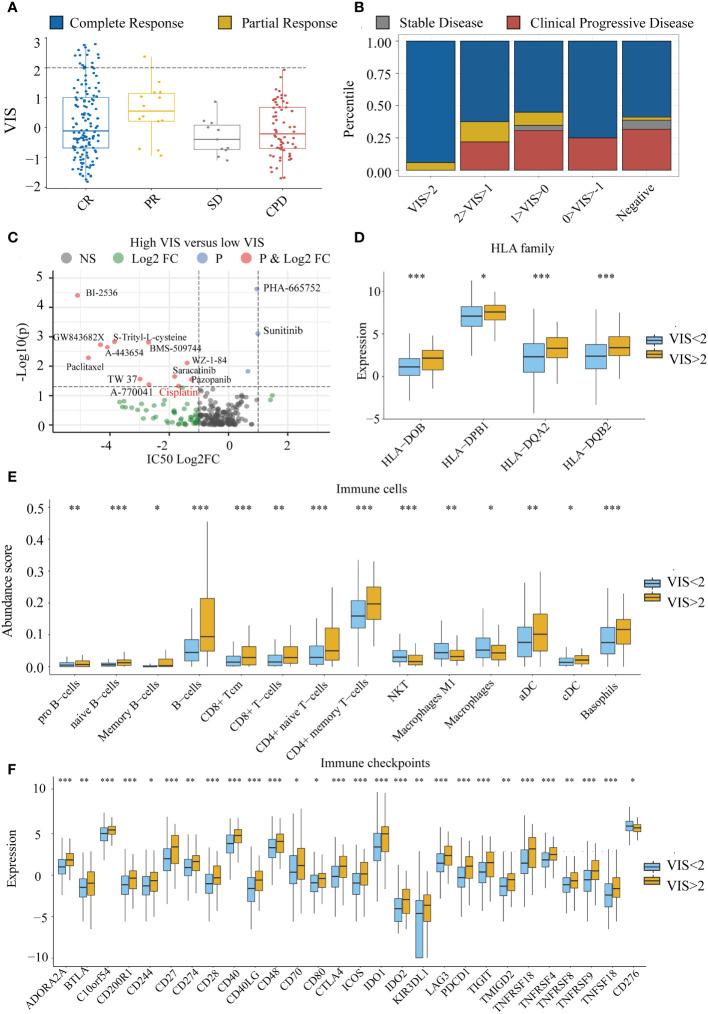
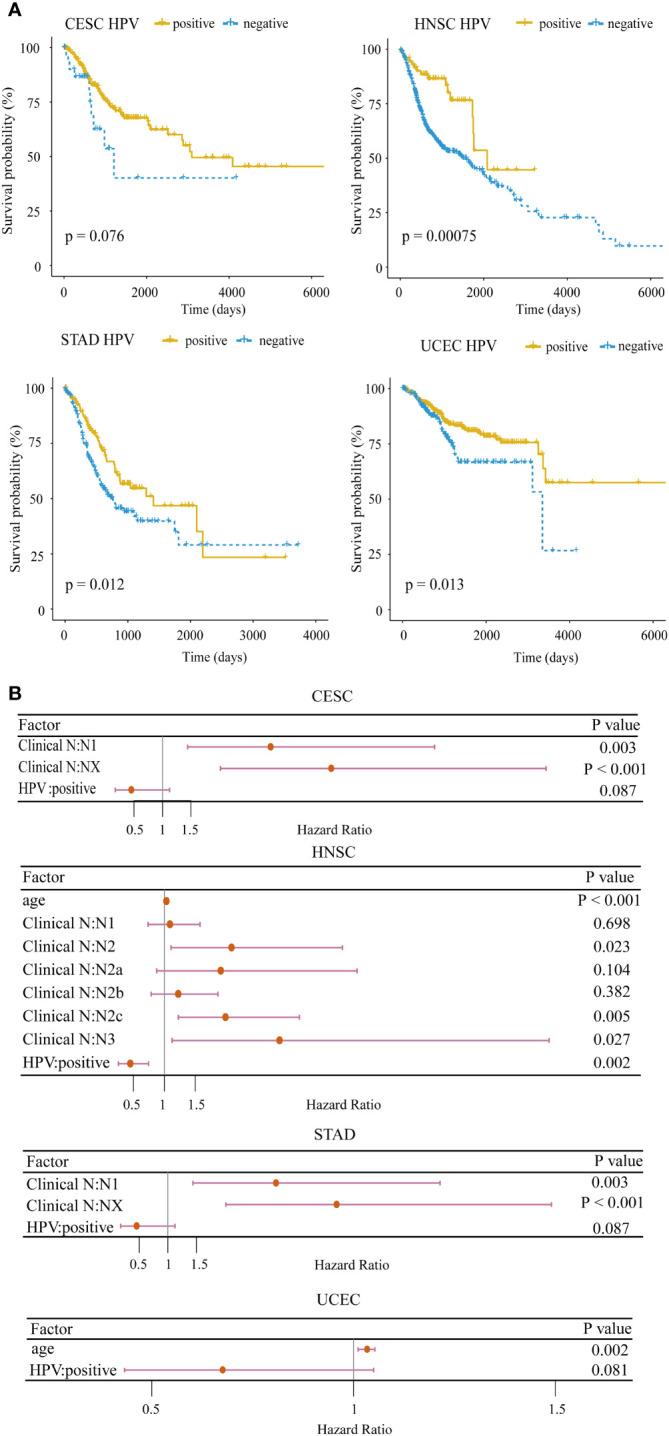
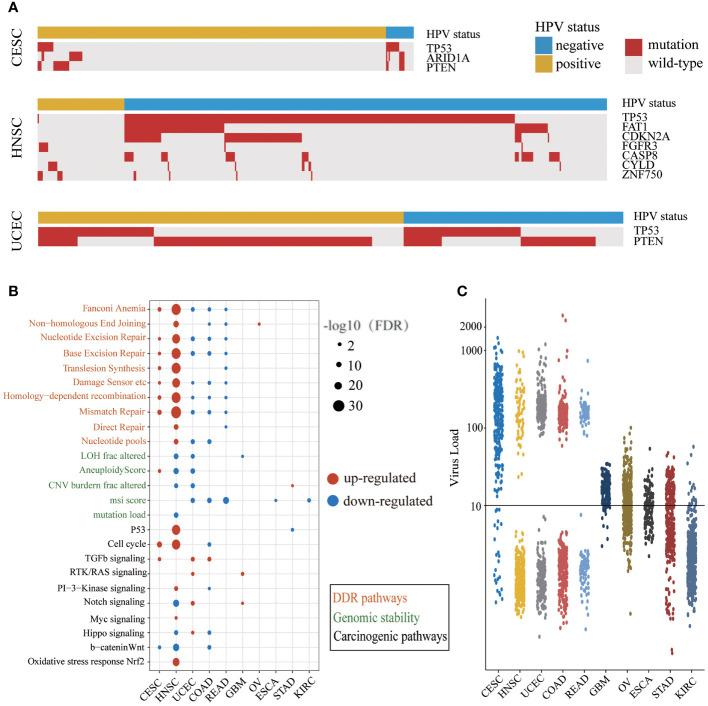
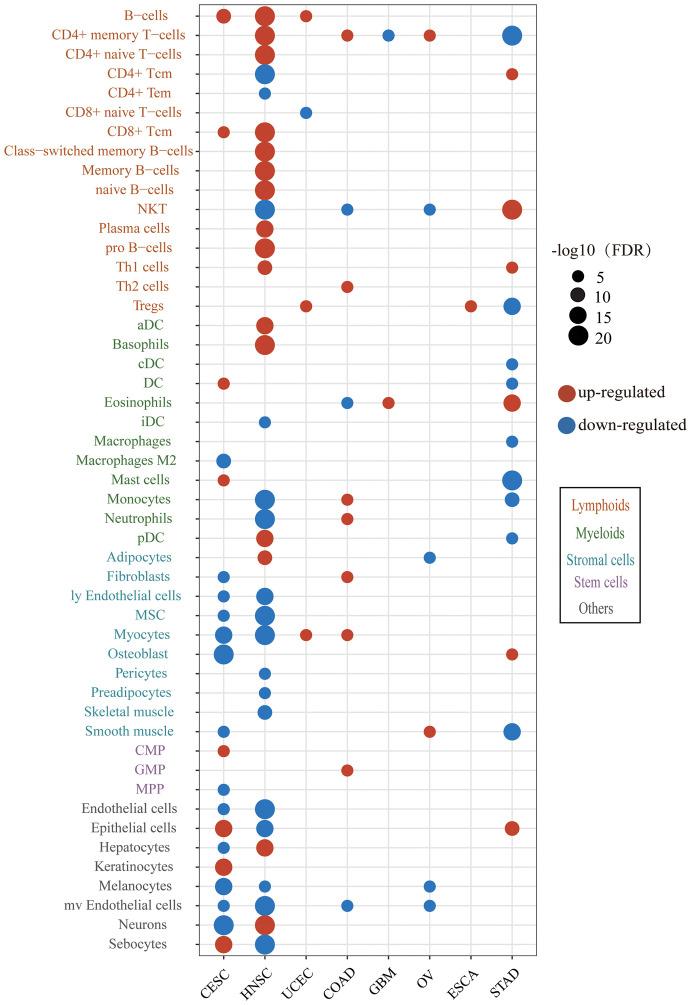
Human papillomavirus (HPV) is a common virus, and about 5% of all cancers worldwide is caused by persistent high-risk HPV infections. Here, we reported a comprehensive analysis of the molecular features for HPV-related cancer types using TCGA (The Cancer Genome Atlas) data with HPV status. We found that the HPV-positive cancer patients had a unique oncogenic process, tumor microenvironment, and drug response compared with HPV-negative patients. In addition, HPV improved overall survival for the four cancer types, namely, cervical squamous cell carcinoma (CESC), head and neck squamous cell carcinoma (HNSC), stomach adenocarcinoma (STAD), and uterine corpus endometrial carcinoma (UCEC). The stronger activity of cell-cycle pathways and lower driver gene mutation rates were observed in HPV-positive patients, which implied the different carcinogenic processes between HPV-positive and HPV-negative groups. The increased activities of immune cells and differences in metabolic pathways helped explain the heterogeneity of prognosis between the two groups. Furthermore, we constructed HPV prediction models for different cancers by the virus infection score (VIS) which was linearly correlated with HPV load and found that VIS was associated with drug response. Altogether, our study reveals that HPV-positive cancer patients have unique molecular characteristics which help the development of precision medicine in HPV-positive cancers.
人乳头瘤病毒(HPV)是一种常见病毒,全球约5%的癌症由持续性高危HPV感染引起。在此,我们报告了一项利用癌症基因组图谱(TCGA)中具有HPV状态的数据对HPV相关癌症类型的分子特征进行的综合分析。我们发现,与HPV阴性患者相比,HPV阳性癌症患者具有独特的致癌过程、肿瘤微环境和药物反应。此外,HPV改善了四种癌症类型患者的总生存期,这四种癌症类型分别为宫颈鳞状细胞癌(CESC)、头颈部鳞状细胞癌(HNSC)、胃腺癌(STAD)和子宫内膜癌(UCEC)。在HPV阳性患者中观察到细胞周期途径活性更强且驱动基因突变率更低,这意味着HPV阳性和阴性组之间存在不同的致癌过程。免疫细胞活性增加和代谢途径差异有助于解释两组之间预后的异质性。此外,我们通过与HPV载量呈线性相关的病毒感染评分(VIS)构建了不同癌症的HPV预测模型,并发现VIS与药物反应相关。总之,我们的研究表明,HPV阳性癌症患者具有独特的分子特征,这有助于HPV阳性癌症的精准医学发展。


 Zotero 插件