
一种用于微塑料识别的低成本微流控方法:迈向连续识别
A Low-Cost Microfluidic Method for Microplastics Identification: Towards Continuous Recognition.
作者信息
Mesquita Pedro, Gong Liyuan, Lin Yang
机构信息
Department of Mechanical, Industrial and Systems Engineering, University of Rhode Island, Kingston, RI 02881, USA.
出版信息
Micromachines (Basel). 2022 Mar 23;13(4):499. doi: 10.3390/mi13040499.
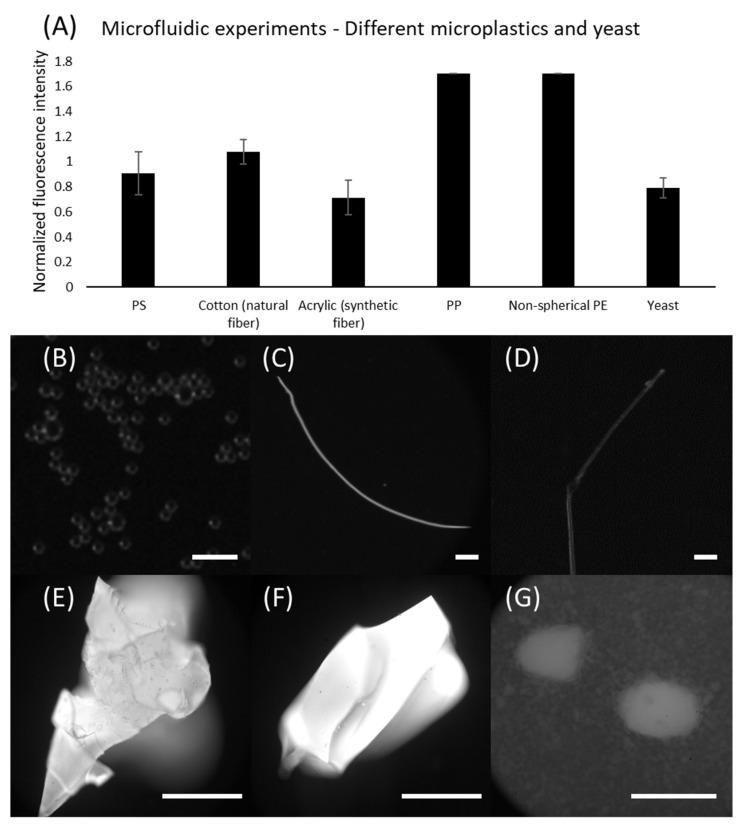
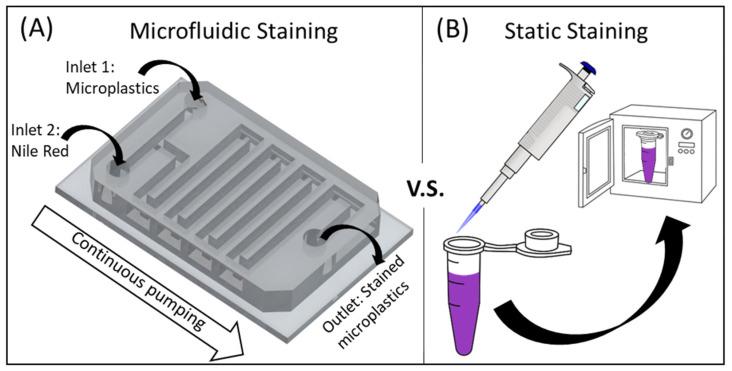
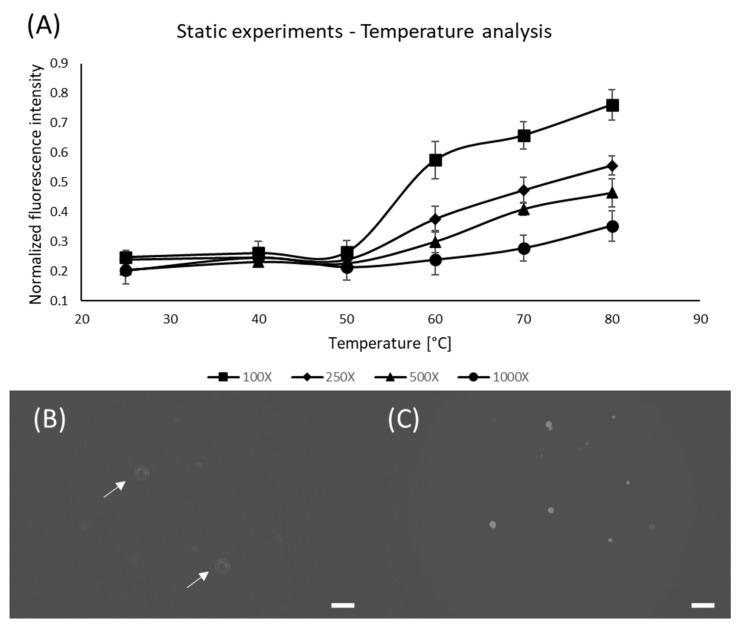
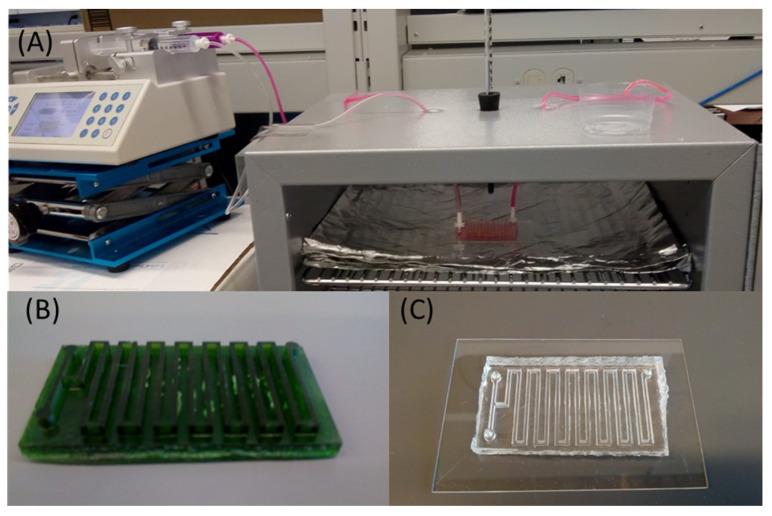
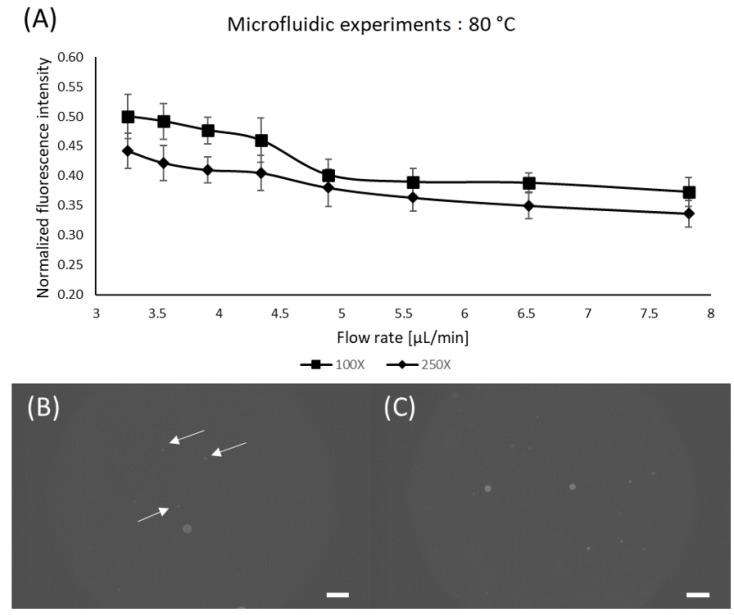
Plastic pollution has emerged as a growing concern worldwide. In particular, the most abundant plastic debris, microplastics, has necessitated the development of rapid and effective identification methods to track down the stages and evidence of the pollution. In this paper, we combine low-cost plastic staining technologies using Nile Red with the continuous feature offered by microfluidics to propose a low-cost 3D printed device for the identification of microplastics. It is observed that the microfluidic devices indicate comparable staining and identification performance compared to conventional Nile Red staining processes while offering the advantages of continuous recognition for long-term environmental monitoring. The results also show that concentration, temperature, and residency time possess strong effects on the identification performance. Finally, various microplastics have been applied to further demonstrate the effectiveness of the proposed devices. It is found that, among different types of microplastics, non-spherical microplastics show the maximal fluorescence level. Meanwhile, natural fibers indicate better staining quality when compared to synthetic ones.
塑料污染已成为全球日益关注的问题。特别是,最丰富的塑料碎片——微塑料,使得开发快速有效的识别方法以追踪污染阶段和证据成为必要。在本文中,我们将使用尼罗红的低成本塑料染色技术与微流体提供的连续特征相结合,提出一种用于识别微塑料的低成本3D打印设备。据观察,与传统的尼罗红染色过程相比,微流体设备具有相当的染色和识别性能,同时还具有连续识别的优势,可用于长期环境监测。结果还表明,浓度、温度和停留时间对识别性能有很大影响。最后,通过应用各种微塑料进一步证明了所提出设备的有效性。研究发现,在不同类型的微塑料中,非球形微塑料的荧光水平最高。同时,与合成纤维相比,天然纤维的染色质量更好。


 Zotero 插件