
源自玉米芯的肋状碳催化剂用于甘油缩酮化反应。
Rib shaped carbon catalyst derived from cob for ketalization of glycerol.
作者信息
Kaur Jaspreet, Sarma Anil Kumar, Jha Mithilesh Kumar, Gera Poonam
机构信息
Department of Chemical Engineering, Dr B R Ambedkar NIT Jalandhar Punjab India.
Sardar Swaran Singh National Institute of Bio Energy Kapurthala Punjab India
出版信息
RSC Adv. 2020 Dec 7;10(71):43334-43342. doi: 10.1039/d0ra08203a. eCollection 2020 Nov 27.
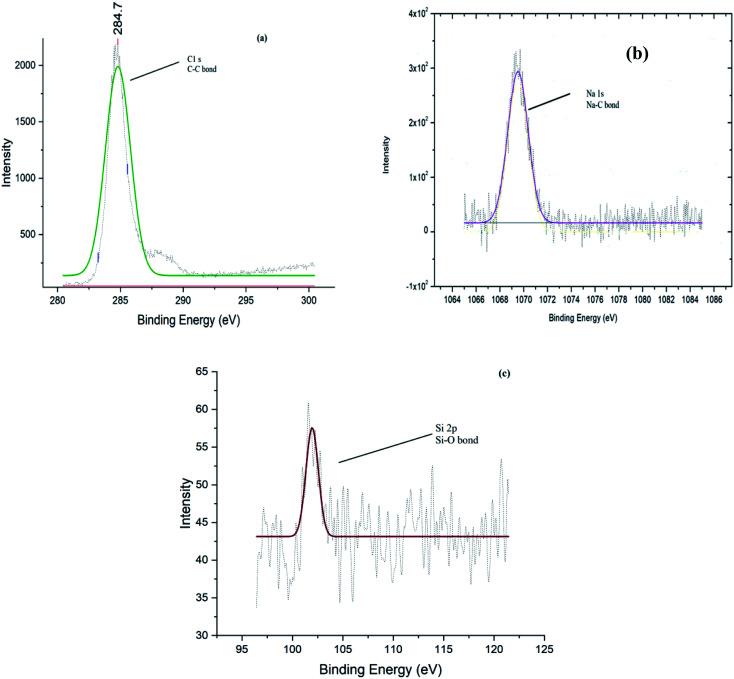
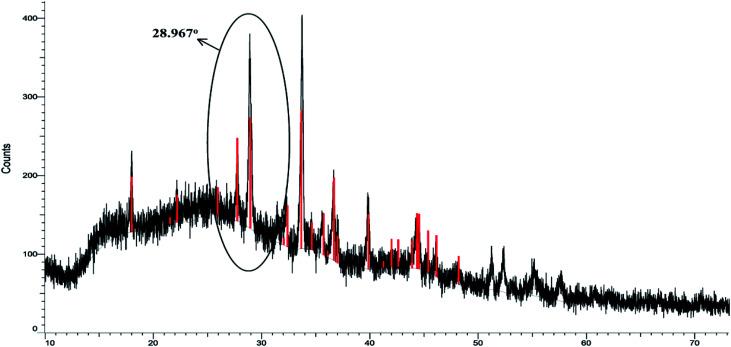
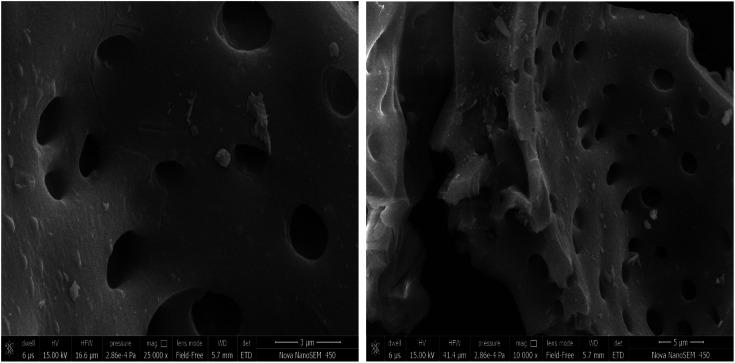
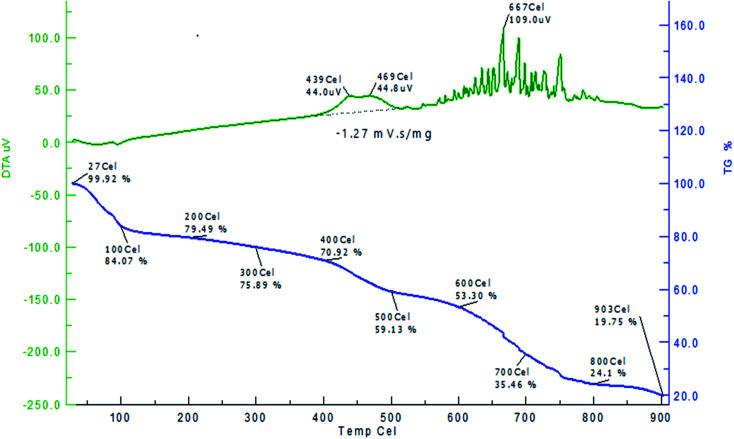
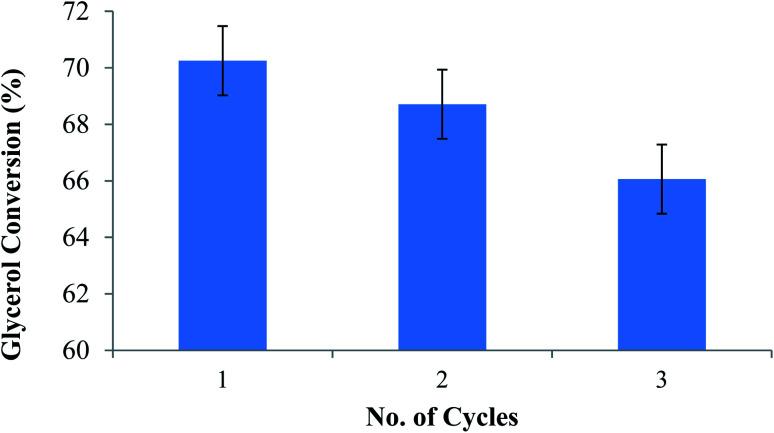
In the present work, the activated carbon was prepared from agricultural waste by an activation method using sodium hydroxide as an activating agent. The prepared AC-CC has been characterized by N adsorption-desorption isotherms, thermogravimetric analysis (TGA-DTA), Fourier transform infrared spectroscopy (FTIR), scanning electron microscopy (SEM), X-ray diffraction (XRD), X-ray photoelectron spectroscopy (XPS), and temperature-programmed desorption (TPD). The porous carbon was thus obtained with a specific surface area of 13.901 m g and a total pore volume of 0.011 cm g. The catalytic activity of the activated carbon has been studied for the ketalization of glycerol and provides maximum glycerol conversion of 72.12% under optimum conditions. The activity of the AC-CC also did not change appreciably for three consecutive batch reaction sequences. The spent catalyst was further analysed for elemental composition using XPS and surface morphology was studied using SEM. There was little deformation in the structure although the percentage of carbon remains almost same (∼72%) as that of the original catalyst, which contributes to the reduction of conversion efficiency of glycerol to solketal by 5% in the 3 consecutive reaction. Thus, AC-CC obtained from Zea mays L. cob could be a very promising renewable catalyst for glycerol conversion into solketal as a fuel-additive.
在本工作中,以氢氧化钠为活化剂,采用活化法由农业废弃物制备活性炭。制备的AC-CC通过N吸附-脱附等温线、热重分析(TGA-DTA)、傅里叶变换红外光谱(FTIR)、扫描电子显微镜(SEM)、X射线衍射(XRD)、X射线光电子能谱(XPS)和程序升温脱附(TPD)进行了表征。由此获得的多孔碳比表面积为13.901 m²/g,总孔体积为0.011 cm³/g。研究了活性炭对甘油缩酮化反应的催化活性,在最佳条件下甘油转化率最高可达72.12%。AC-CC在连续三个批次反应序列中的活性也没有明显变化。使用XPS对废催化剂的元素组成进行了进一步分析,使用SEM研究了其表面形态。尽管碳的百分比与原始催化剂几乎相同(约72%),但结构几乎没有变形,这导致在连续三个反应中甘油转化为缩酮的效率降低了5%。因此,从玉米芯获得的AC-CC可能是一种非常有前景的可再生催化剂,用于将甘油转化为作为燃料添加剂缩酮。







 Zotero 插件