
一种高效评估系统加速α-螺旋抗菌肽发现及其在全球人类基因组挖掘中的应用。
An Efficient Evaluation System Accelerates α-Helical Antimicrobial Peptide Discovery and Its Application to Global Human Genome Mining.
作者信息
Liu Licheng, Wang Caiyun, Zhang Mengyue, Zhang Zixuan, Wu Yingying, Zhang Yixuan
机构信息
School of Life Sciences and Biopharmaceutics, Shenyang Pharmaceutical University, Shenyang, China.
出版信息
Front Microbiol. 2022 Apr 25;13:870361. doi: 10.3389/fmicb.2022.870361. eCollection 2022.
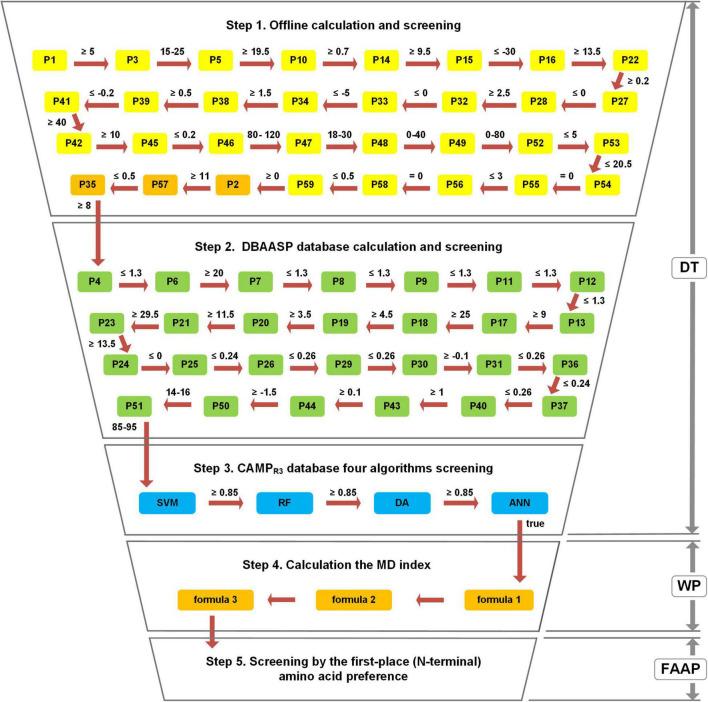
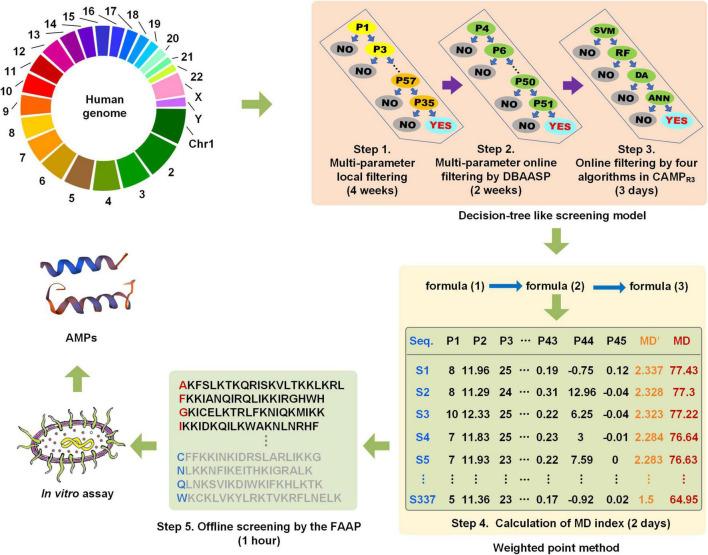
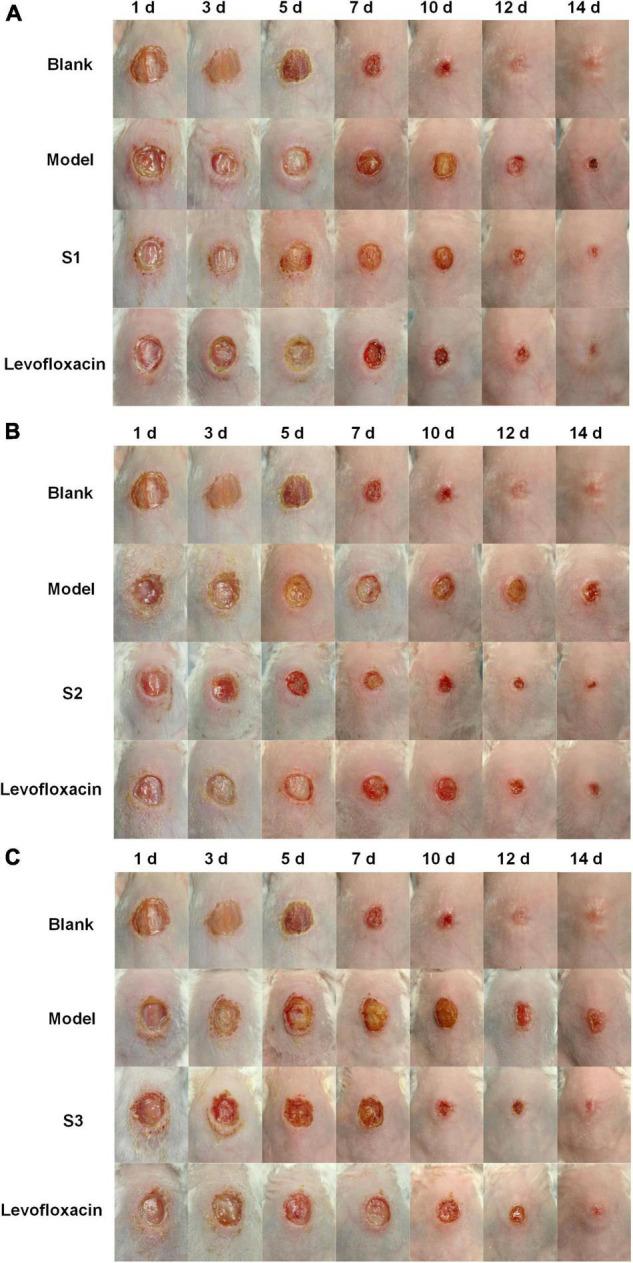
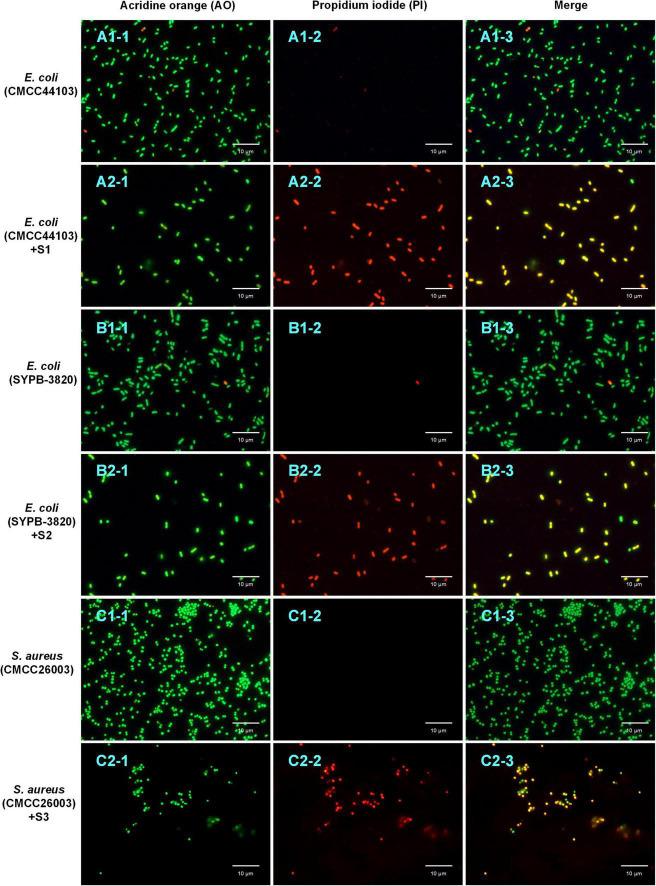
Antimicrobial peptides (AMPs), as an important part of the innate immune system of an organism, is a kind of promising drug candidate for novel antibiotics due to their unique antibacterial mechanism. However, the discovery of novel AMPs is facing a great challenge due to the complexity of systematic experiments and the poor predictability of antimicrobial activity. Here, a novel and comprehensive screening system, the Multiple Descriptor Multiple Strategy (MultiDS), was proposed based on 59 physicochemical and structural parameters, three strategies, and four algorithms for the mining of α-helical AMPs. This approach was applied to mine the encrypted peptide antibiotics from the global human genome, including introns and exons. A library of approximately 70 billion peptides with 15-25 amino acid residues was screened by the MultiDS system and generated a list of peptides with the Multiple Descriptor Index (MD index) scores, which was the core part of the MultiDS system. Sixty peptides with top MD scores were chemically synthesized and experimentally tested their antimicrobial activity against 10 kinds of Gram-positive bacteria, Gram-negative bacteria (including drug-resistant pathogens). A total of fifty-nine out of 60 (98.3%) peptides exhibited antimicrobial activity (MIC ≤ 64 μg/mL), and 24 out of 60 (40%) peptides showed high activity (MIC ≤ 2 μg/mL), validating the MultiDS system was an effective and predictive screening tool with high hit rate and superior antimicrobial activity. For further investigation, AMPs S1, S2, and S3 with the highest MD scores were used to treat the skin infection mouse models caused by , drug-resistance , and , respectively. All of S1, S2, and S3 showed comparable therapeutic effects on promoting infection healing to or even better than the positive drug levofloxacin. A mechanism study discovered that rapid bactericidal action was caused by cell membrane disruption and content leakage. The MultiDS system not only provides a high-throughput approach that allows for the mining of candidate AMPs from the global genome sequence but also opens up a new route to accelerate the discovery of peptide antibiotics.
抗菌肽(AMPs)作为生物体固有免疫系统的重要组成部分,因其独特的抗菌机制,是一种很有前景的新型抗生素候选药物。然而,由于系统实验的复杂性和抗菌活性预测性较差,新型抗菌肽的发现面临着巨大挑战。在此,基于59个物理化学和结构参数、三种策略以及四种算法,提出了一种新颖且全面的筛选系统——多重描述符多重策略(MultiDS),用于挖掘α-螺旋抗菌肽。该方法被应用于从包括内含子和外显子的全球人类基因组中挖掘加密的肽类抗生素。通过MultiDS系统筛选了一个包含约700亿个具有15 - 25个氨基酸残基的肽库,并生成了具有多重描述符指数(MD指数)分数的肽列表,这是MultiDS系统的核心部分。对MD分数最高的60种肽进行化学合成,并对其针对10种革兰氏阳性菌、革兰氏阴性菌(包括耐药病原体)的抗菌活性进行实验测试。60种肽中有59种(98.3%)表现出抗菌活性(MIC≤64μg/mL),60种中有24种(40%)表现出高活性(MIC≤2μg/mL),验证了MultiDS系统是一种有效且具有预测性的筛选工具,命中率高且抗菌活性优异。为进一步研究,使用MD分数最高的抗菌肽S1、S2和S3分别治疗由耐药菌、 和 引起的皮肤感染小鼠模型。S1、S2和S3在促进感染愈合方面均显示出与阳性药物左氧氟沙星相当甚至更好的治疗效果。机制研究发现,快速杀菌作用是由细胞膜破坏和内容物泄漏引起的。MultiDS系统不仅提供了一种高通量方法,可从全球基因组序列中挖掘候选抗菌肽,还开辟了一条加速肽类抗生素发现的新途径。





 Zotero 插件