
采用低温长时巴氏杀菌法或高静水压处理的人乳抗氧化潜力的体内评估:对成年小鼠肠道和肝脏标志物的初步研究
In Vivo Assessment of Antioxidant Potential of Human Milk Treated by Holder Pasteurization or High Hydrostatic Pressure Processing: A Preliminary Study on Intestinal and Hepatic Markers in Adult Mice.
作者信息
Wemelle Eve, Marousez Lucie, Lesage Jean, De Lamballerie Marie, Knauf Claude, Carneiro Lionel
机构信息
INSERM U1220, Institut de Recherche en Santé Digestive (IRSD), Université Paul Sabatier, Toulouse III, CHU Purpan, Place du Docteur Baylac, CS 60039, CEDEX 3, 31024 Toulouse, France.
European Associated Laboratory (EAL) «NeuroMicrobiota», International Research Projects (IRP) INSERM, 31024 Toulouse, France.
出版信息
Antioxidants (Basel). 2022 May 31;11(6):1091. doi: 10.3390/antiox11061091.
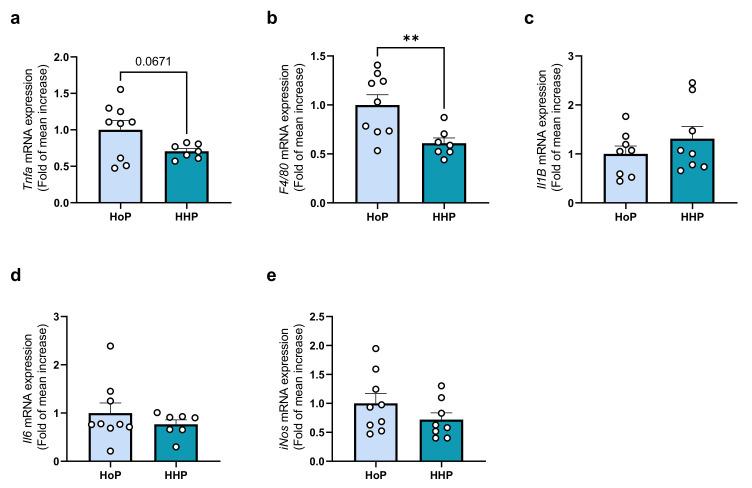
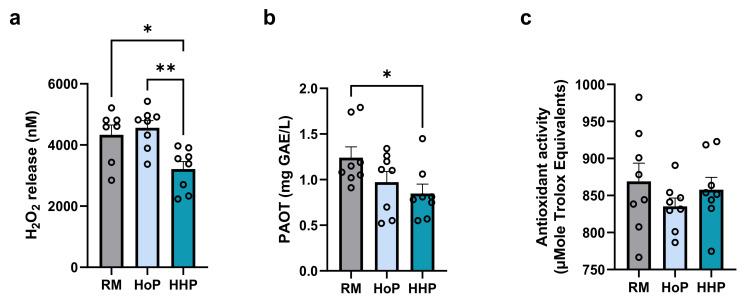
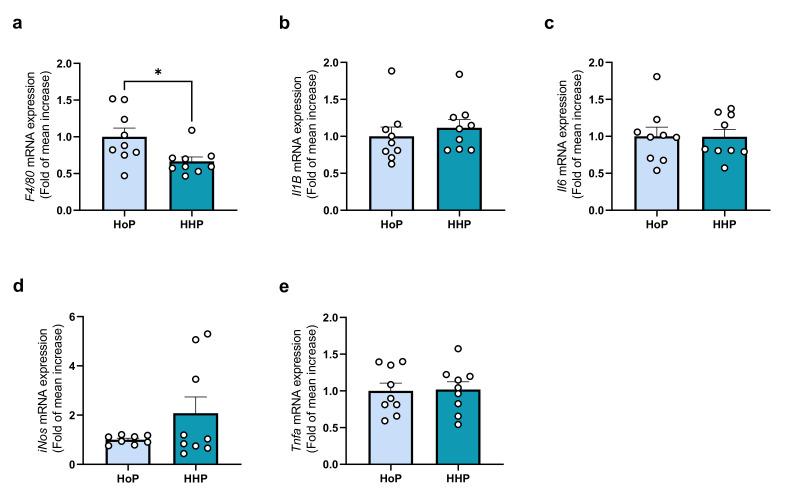
Preterm infants are highly susceptible to oxidative stress due to an imbalance between endogenous oxidant and antioxidant systems. In addition, these newborns are frequently fed with donor milk (DM) treated by Holder pasteurization (HoP) at 62.5 °C for 30 min, which is known to alter numerous heat-sensitive factors, including some antioxidants. High hydrostatic pressure (HHP) processing was recently proposed as an innovative method for the treatment of DM. The present study aimed to measure the redox balance of HoP- and HHP-DM and to study, in vivo, the effects of HoP- and HHP-DM on the gut and liver. HO, vitamin A and vitamin E (α- and γ-tocopherols) concentrations, as well as the total antioxidant capacity (TAC), were measured in raw-, HoP- and HHP-DM. The gene expression level of antioxidant systems and inflammatory response were quantified in the ileum and liver of adult mice after 7 days of oral administration of HoP- or HHP-DM. HoP reduced the γ-tocopherol level, whereas HHP treatment preserved all vitamins close to the raw milk level. The milk HO content was reduced by HHP but not by HoP. The total antioxidant capacity of DM was reduced after HHP processing measured by PAOT-Liquid technology but was unaffected after measurement by ORAC assay. In mice, HHP-DM administration induced a stimulation of antioxidant defenses and reduced some inflammatory markers in both the ileum and liver compared to HoP-DM treatment. Our preliminary study suggests that the HHP processing of DM may better protect preterm infants from gut and liver pathologies compared to HoP, which is currently used in most human milk banks.
由于内源性氧化剂和抗氧化剂系统之间的失衡,早产儿极易受到氧化应激的影响。此外,这些新生儿经常喂食经62.5°C保持30分钟的 Holder 巴氏杀菌法(HoP)处理的捐赠母乳(DM),已知这种方法会改变许多热敏因子,包括一些抗氧化剂。最近,高静水压(HHP)处理被提议作为一种创新的DM处理方法。本研究旨在测量 HoP-DM 和 HHP-DM 的氧化还原平衡,并在体内研究 HoP-DM 和 HHP-DM 对肠道和肝脏的影响。测量了生乳、HoP-DM 和 HHP-DM 中的血红素加氧酶(HO)、维生素A和维生素E(α-和γ-生育酚)浓度以及总抗氧化能力(TAC)。在成年小鼠口服 HoP-DM 或 HHP-DM 7天后,对其回肠和肝脏中抗氧化系统的基因表达水平和炎症反应进行了定量分析。HoP 降低了γ-生育酚水平,而 HHP 处理使所有维生素的含量保持在接近生乳的水平。HHP 降低了乳中的 HO 含量,但 HoP 没有。通过 PAOT-液体技术测量,HHP 处理后 DM 的总抗氧化能力降低,但通过 ORAC 测定法测量则不受影响。在小鼠中,与 HoP-DM 处理相比,给予 HHP-DM 可刺激抗氧化防御,并降低回肠和肝脏中的一些炎症标志物。我们的初步研究表明,与目前大多数母乳库使用的 HoP 相比,DM 的 HHP 处理可能能更好地保护早产儿免受肠道和肝脏疾病的侵害。


 Zotero 插件