
用于RNA递送的两亲性树枝状大分子载体:现状与未来展望
Amphiphilic Dendrimer Vectors for RNA Delivery: State-of-the-Art and Future Perspective.
作者信息
Chen Jiaxuan, Zhu Dandan, Liu Xiaoxuan, Peng Ling
机构信息
Aix Marseille Université, CNRS, Center Interdisciplinaire de Nanoscience de Marseille, CINaM UMR 7325, "Equipe Labellisée Ligue Contre le Cancer", 13288 Marseille, France.
State Key Laboratory of Natural Medicines and Jiangsu Key Laboratory of Drug Discovery for Metabolic Diseases, Center of Drug Discovery, Center of Advanced Pharmaceuticals and Biomaterials, China Pharmaceutical University, 210009 Nanjing, P. R. China.
出版信息
Acc Mater Res. 2022 May 27;3(5):484-497. doi: 10.1021/accountsmr.1c00272. Epub 2022 May 3.
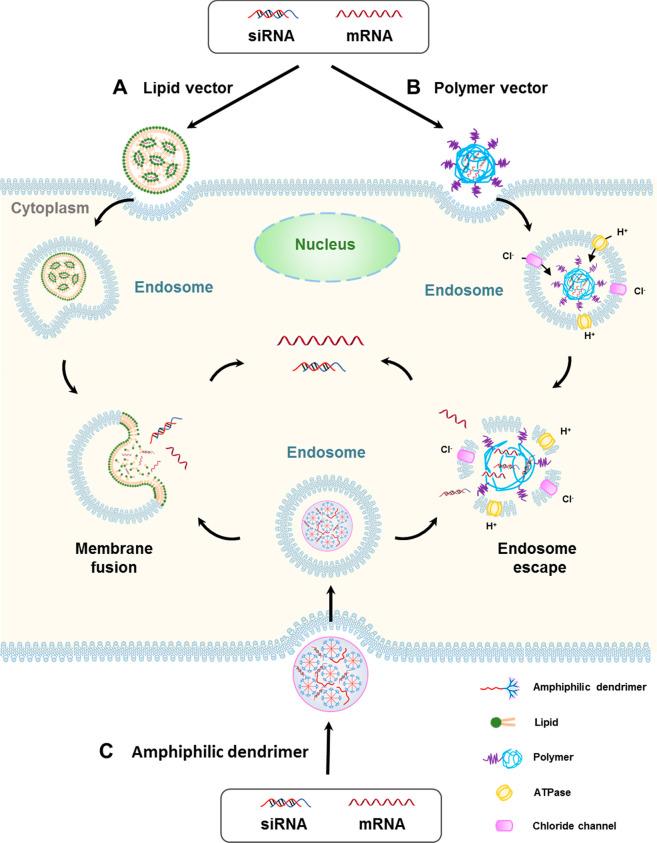
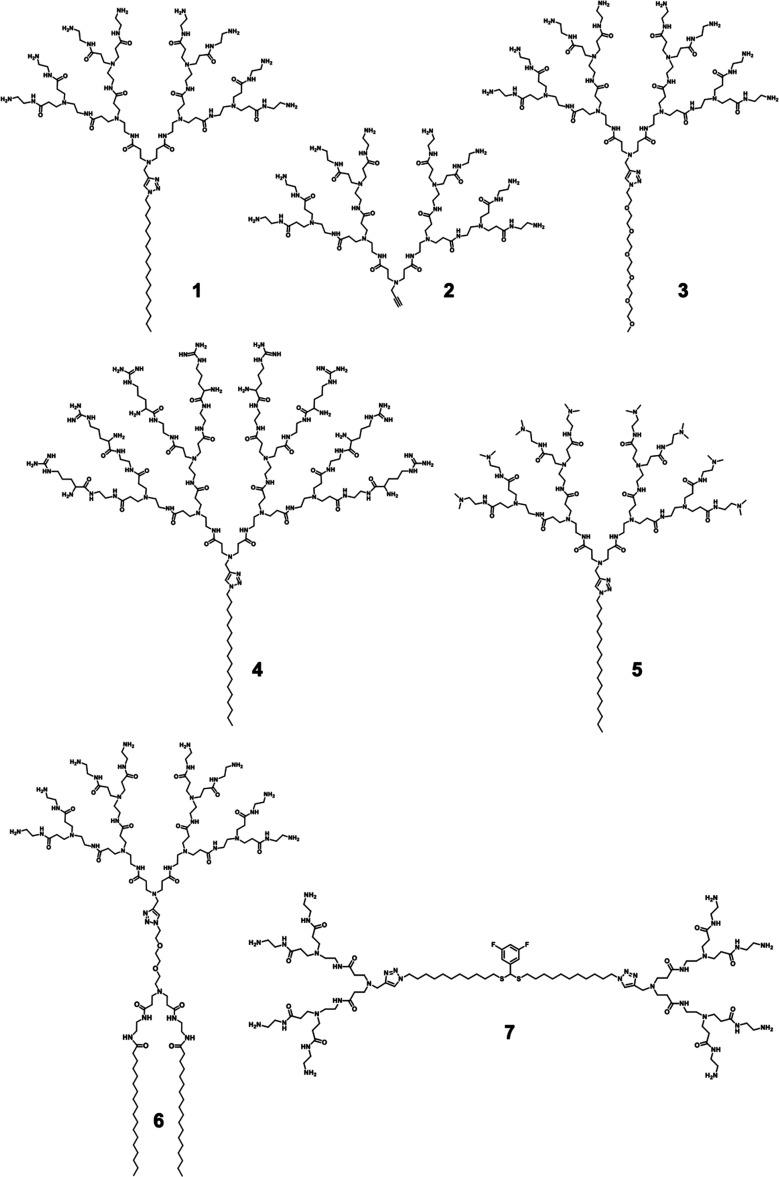
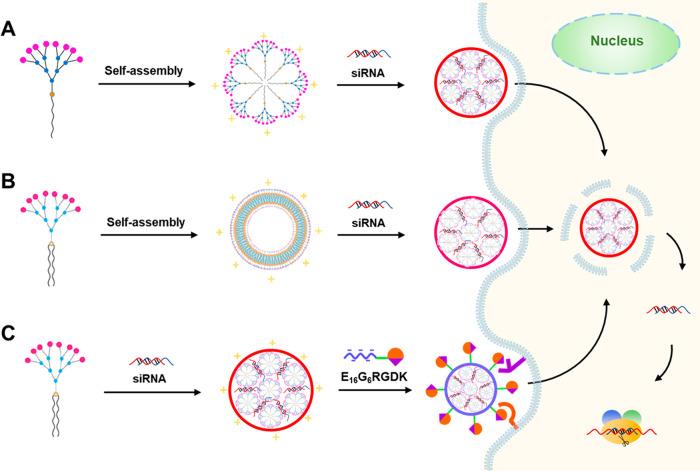
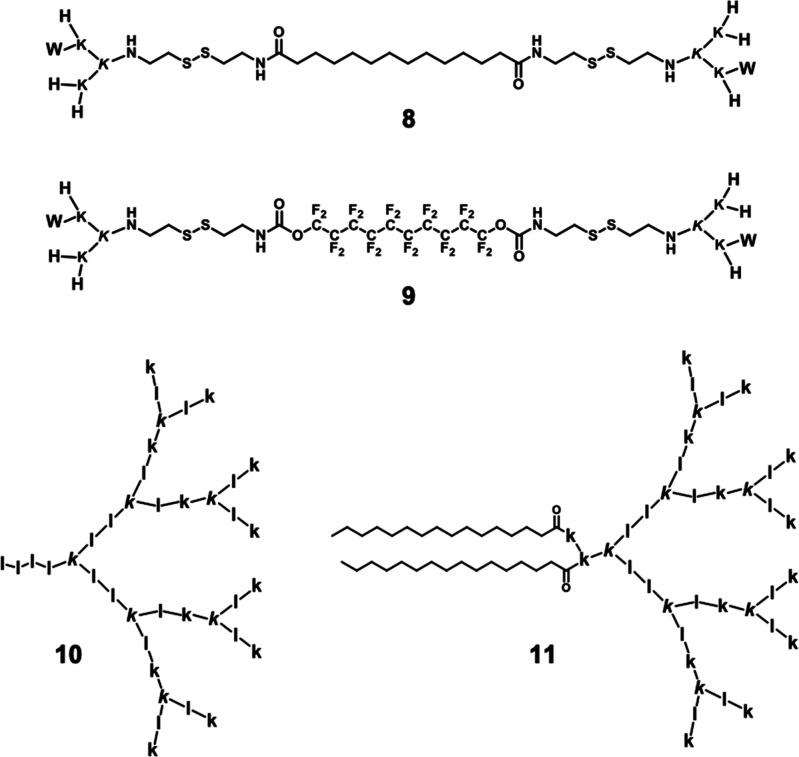
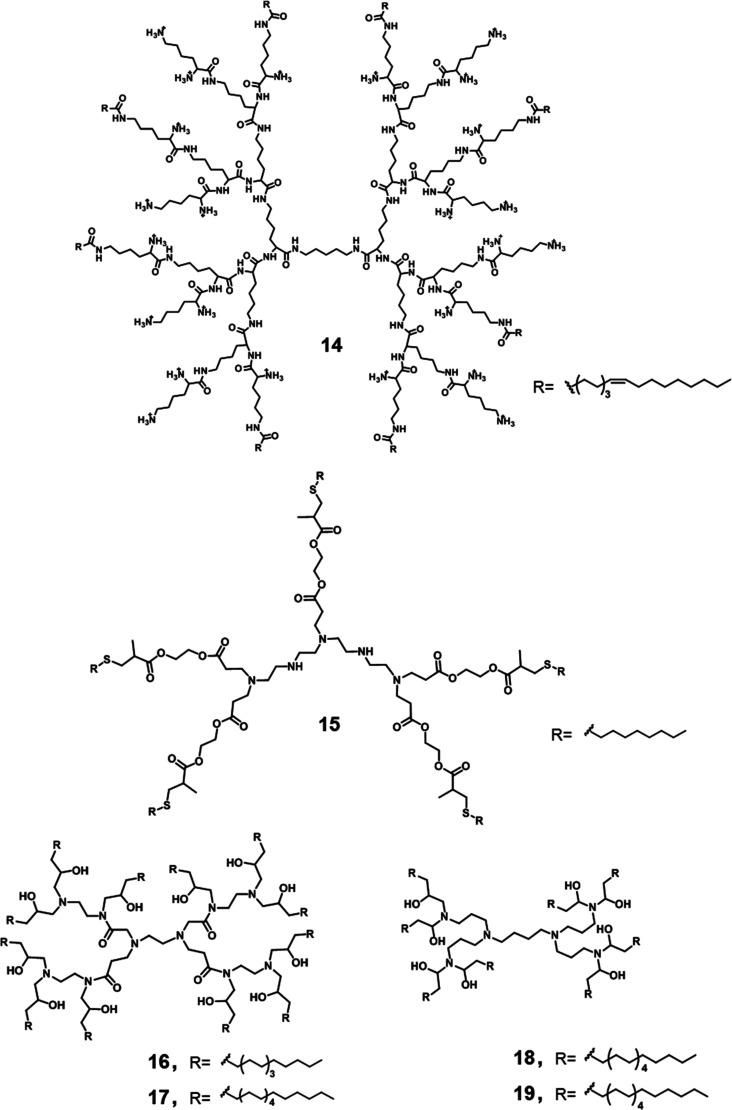
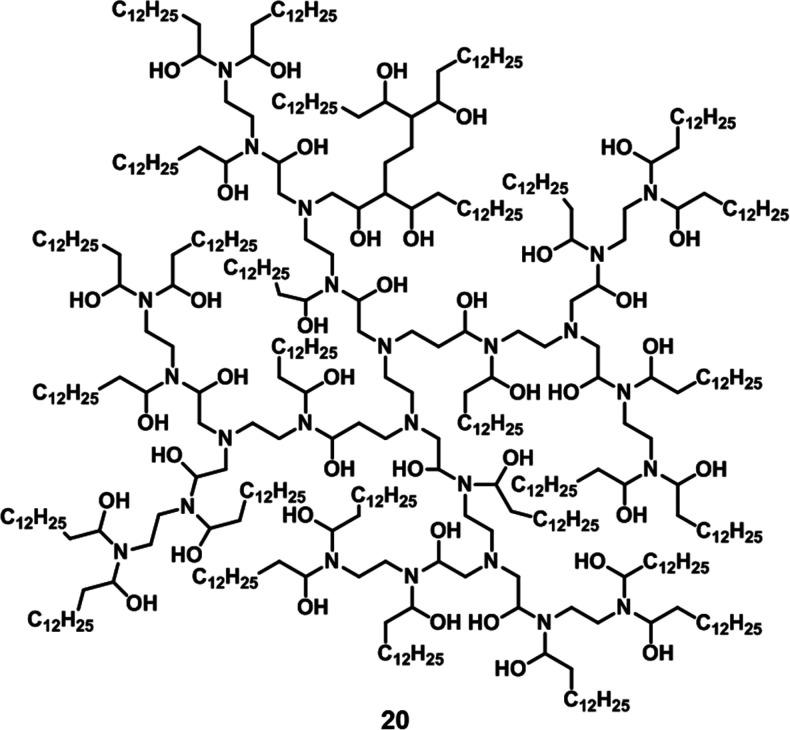
Dendrimers, a special family of polymers, are particularly promising materials for various biomedical applications by virtue of their well-defined dendritic structure and cooperative multivalency. Specifically, in this Account, we present state-of-the-art amphiphilic dendrimers for nucleic acid delivery. Ribonucleic acid (RNA) molecules are fast becoming an important drug modality, particularly since the recent success of mRNA vaccines against COVID-19. Notably, RNA therapeutics offer the unique opportunity to treat diseases at the gene level and address "undruggable" targets. However, RNA therapeutics are not stable and have poor bioavailability, imposing the need for their protection and safe delivery by vectors to the sites-of-action to allow the desired therapeutic effects. Currently, the two most advanced nonviral vectors are based on lipids and polymers, with lipid vectors primarily exploiting the membrane-fusion mechanism and polymer vectors mainly endocytosis-mediated delivery. Notably, only lipid vectors have been advanced through to their clinical use in the delivery of, for example, the first siRNA drug and the first mRNA vaccine. The success of lipid vectors for RNA delivery has motivated research for further innovative materials as delivery vectors. Specifically, we have pioneered lipid/dendrimer conjugates, referred to as amphiphilic dendrimers, for siRNA delivery with the view to harnessing the delivery advantages of both lipid and polymer vectors while enjoying the unique structural features of dendrimers. These amphiphilic dendrimer vectors are lipid/dendrimer hybrids and are thus able to mimic lipid vectors and exploit membrane-fusion-mediated delivery, while simultaneously retaining the multivalent properties of polymer vectors that allow endocytosis-based delivery. In addition, they have precisely controllable and stable nanosized chemical structures and offer nanotechnology-based delivery. Effective amphiphilic dendrimer vectors share two important elements: chemical hydrophilic entities to bind RNA and RNA complex-stabilizing hydrophobicity. These two combined features allow the encapsulation of RNA within a stable complex before its release into the cytosol following endocytosis. This hydrophilic/hydrophobic balance permitted by the structural features of amphiphilic dendrimers plays a determining role in RNA delivery success. In this Account, we provide a conceptual overview of this exciting field with the latest breakthroughs and key advances in the design of amphiphilic dendrimers for the delivery of siRNA and mRNA. Specifically, we start with a short introduction to siRNA- and mRNA-based therapeutics and their delivery challenges. We then outline the pioneering and representative studies on amphiphilic dendrimer vectors to highlight their historical development and promising features that offer to facilitate the once challenging RNA delivery. We conclude by offering perspectives for the future of amphiphilic dendrimer vectors for nucleic acid delivery in general.
树枝状大分子是一类特殊的聚合物,由于其具有明确的树枝状结构和协同多价性,是各种生物医学应用中特别有前景的材料。具体而言,在本综述中,我们介绍了用于核酸递送的先进两亲性树枝状大分子。核糖核酸(RNA)分子正迅速成为一种重要的药物形式,特别是自最近mRNA疫苗在对抗新冠病毒方面取得成功以来。值得注意的是,RNA疗法提供了在基因水平治疗疾病和攻克“不可成药”靶点的独特机会。然而,RNA疗法不稳定且生物利用度差,因此需要通过载体将其保护并安全递送至作用部位,以实现预期的治疗效果。目前,两种最先进的非病毒载体基于脂质和聚合物,脂质载体主要利用膜融合机制,聚合物载体主要通过内吞作用介导递送。值得注意的是,只有脂质载体已推进到临床应用,例如用于递送第一种小干扰RNA(siRNA)药物和第一种mRNA疫苗。脂质载体在RNA递送方面的成功激发了对进一步创新材料作为递送载体的研究。具体而言,我们率先开发了脂质/树枝状大分子缀合物,即两亲性树枝状大分子,用于siRNA递送,目的是利用脂质和聚合物载体的递送优势,同时享有树枝状大分子独特的结构特征。这些两亲性树枝状大分子载体是脂质/树枝状大分子杂化物,因此能够模拟脂质载体并利用膜融合介导的递送,同时保留聚合物载体的多价特性,从而实现基于内吞作用的递送。此外,它们具有精确可控且稳定的纳米级化学结构,并提供基于纳米技术的递送。有效的两亲性树枝状大分子载体具有两个重要元素:用于结合RNA的化学亲水性实体和稳定RNA复合物的疏水性。这两个结合的特征使得RNA能够在稳定的复合物中被包裹,然后在通过内吞作用释放到细胞质中之前保持稳定。两亲性树枝状大分子的结构特征所允许的这种亲水/疏水平衡在RNA递送的成功中起着决定性作用。在本综述中,我们提供了这个令人兴奋的领域的概念性概述,以及在设计用于递送siRNA和mRNA的两亲性树枝状大分子方面的最新突破和关键进展。具体来说,我们首先简要介绍基于siRNA和mRNA的疗法及其递送挑战。然后我们概述了关于两亲性树枝状大分子载体的开创性和代表性研究,以突出它们的历史发展以及有助于促进曾经具有挑战性的RNA递送的有前景的特征。最后,我们总体上对两亲性树枝状大分子载体在核酸递送方面的未来前景发表看法。

 Zotero 插件