
从石油精炼废水中分离出的两种不同本土真菌菌株AHM69和AHM96对水溶液中某些重金属的生物去除作用
Bioremoval of some heavy metals from aqueous solutions by two different indigenous fungi sp. AHM69 and sp. AHM96 isolated from petroleum refining wastewater.
作者信息
El-Bondkly Ahmed Mohamed Ahmed, El-Gendy Mervat Morsy Abbas Ahmed
机构信息
Genetics and Cytology Department, National Research Centre, Dokki, Giza 12622, Egypt.
Chemistry of Natural and Microbial Products Department, National Research Centre, Dokki, Giza 12622, Egypt.
出版信息
Heliyon. 2022 Jul 2;8(7):e09854. doi: 10.1016/j.heliyon.2022.e09854. eCollection 2022 Jul.
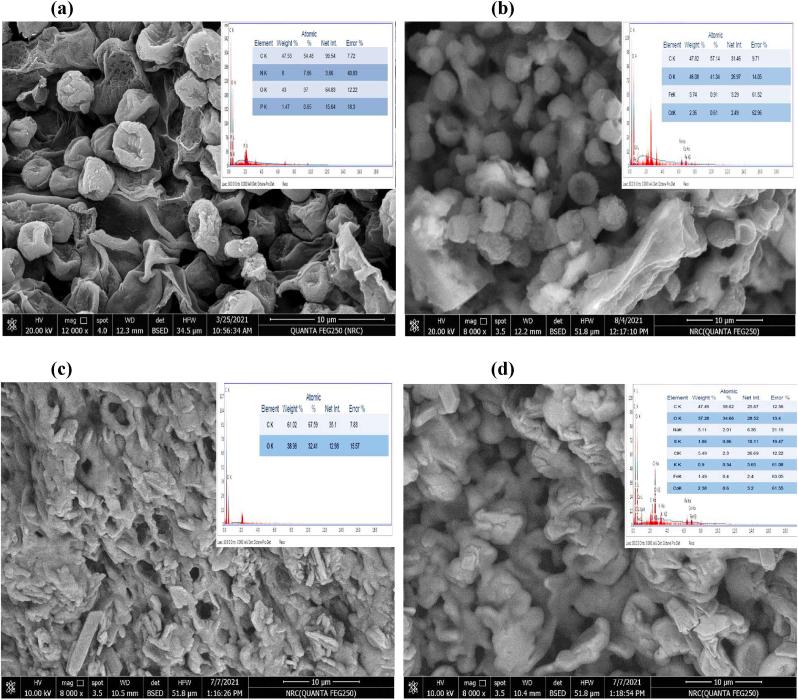
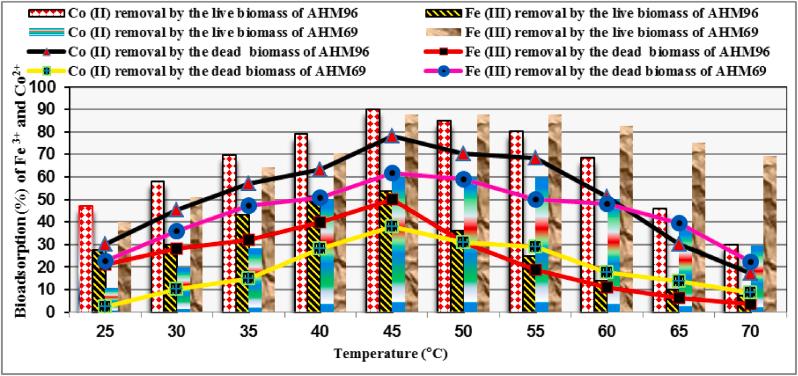
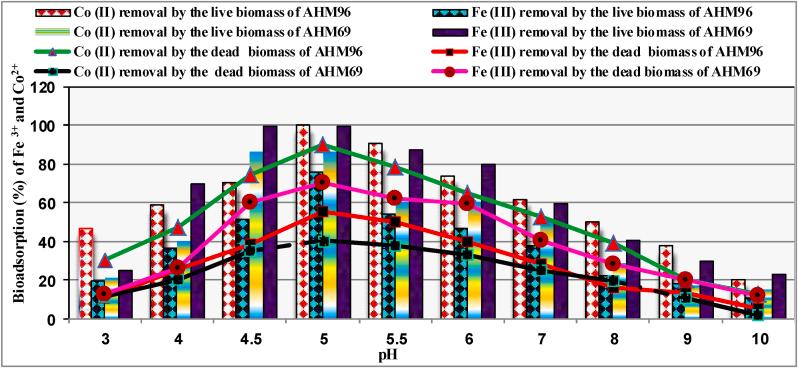
Myco-remediation of heavy metals using indigenous fungi of different petroleum refining areas in Egypt was applied. Among the physicochemical parameters determined in these refineries effluents, the highest levels of heavy metals were recorded for the most toxic heavy metals Fe and Co. The fungal isolates under the isolation codes AHM69 and AHM96 isolated from the mycobiome of Mostorod and Tanta refineries, respectively showed the best bioremoval efficiency toward heavy metals from the real wastewater mixture and polycyclic aromatic hydrocarbons from aqueous solutions. Based on phenotypic and genotypic analysis they were identified as sp. AHM69 and sp. AHM96. The optimum conditions for the best bioremoval of Fe and Co from aqueous solutions by sp. AHM69 were live biomass, temperature 45-55 °C, pH 4.5-5.0, contact time 180 min, metal concentration equal to 1000 and 400 mg/L of Fe and Co with live fungal biomass dose of 0.5% and 0.4% with Fe and Co, respectively. Concerning to the biomass of sp. AHM96, the optimum operation conditions for the best removal of Fe and Co were 45 °C, pH 5.0 and 400 mg/L of Fe with 1.0% biosorbent dosage or 1000 mg/L of Co with 0.5% biosorbent dosage for 180 min as process time. Furthermore, FTIR analysis showed masking, shifting, creating and absenting of different functional groups in the fungal biomass surface of AHM96 and AHM69 strains in the presence of Fe and Co compared to unloaded biomasses. Microscopy with Energy Dispersive X-ray analysis (SEM-EDX) indicated that the removal of Fe and Co by fungi AHM69 and AHM96 was via biosorption and bioaccumulation on the biomass surface. Our results suggested that in the near future, fungal treatment is likely to outperform and replace other chemical and biological treatments in industrial wastewater treatment for oil refining.
采用埃及不同炼油区的本土真菌对重金属进行了真菌修复。在这些炼油厂废水中测定的理化参数中,毒性最强的重金属铁和钴的含量最高。分别从莫斯托罗德炼油厂和坦塔炼油厂的真菌群落中分离出的分离编号为AHM69和AHM96的真菌菌株,对实际废水混合物中的重金属和水溶液中的多环芳烃表现出最佳的生物去除效率。基于表型和基因型分析,它们被鉴定为AHM69菌和AHM96菌。AHM69菌从水溶液中最佳去除铁和钴的最佳条件为:活生物质、温度45 - 55°C、pH值4.5 - 5.0、接触时间180分钟、铁和钴的金属浓度分别等于1000和400 mg/L,铁和钴的活真菌生物质剂量分别为0.5%和0.4%。关于AHM96菌的生物质,最佳去除铁和钴的最佳操作条件为:45°C、pH值5.0、铁浓度400 mg/L时生物吸附剂用量为1.0%,或钴浓度1000 mg/L时生物吸附剂用量为0.5%,处理时间为180分钟。此外,傅里叶变换红外光谱分析表明,与未负载生物质相比,在铁和钴存在的情况下,AHM96和AHM69菌株的真菌生物质表面不同官能团出现了掩蔽、位移、产生和消失的情况。能量色散X射线分析显微镜(SEM - EDX)表明,AHM69和AHM96真菌对铁和钴的去除是通过生物吸附和生物累积在生物质表面进行的。我们的结果表明,在不久的将来,真菌处理在炼油工业废水处理中可能会优于并取代其他化学和生物处理方法。


 Zotero 插件