
微生物灭活:气态臭氧化还是液态臭氧化?
Microbial Inactivation: Gaseous or Aqueous Ozonation?
作者信息
Epelle Emmanuel I, Emmerson Amy, Nekrasova Marija, Macfarlane Andrew, Cusack Michael, Burns Anthony, Mackay William, Yaseen Mohammed
机构信息
School of Computing, Engineering & Physical Sciences, University of the West of Scotland, Paisley PA1 2BE, U.K.
ACS Clothing, 6 Dovecote Road Central Point Logistics Park ML1 4GP, U.K.
出版信息
Ind Eng Chem Res. 2022 Jul 13;61(27):9600-9610. doi: 10.1021/acs.iecr.2c01551. Epub 2022 Jul 1.
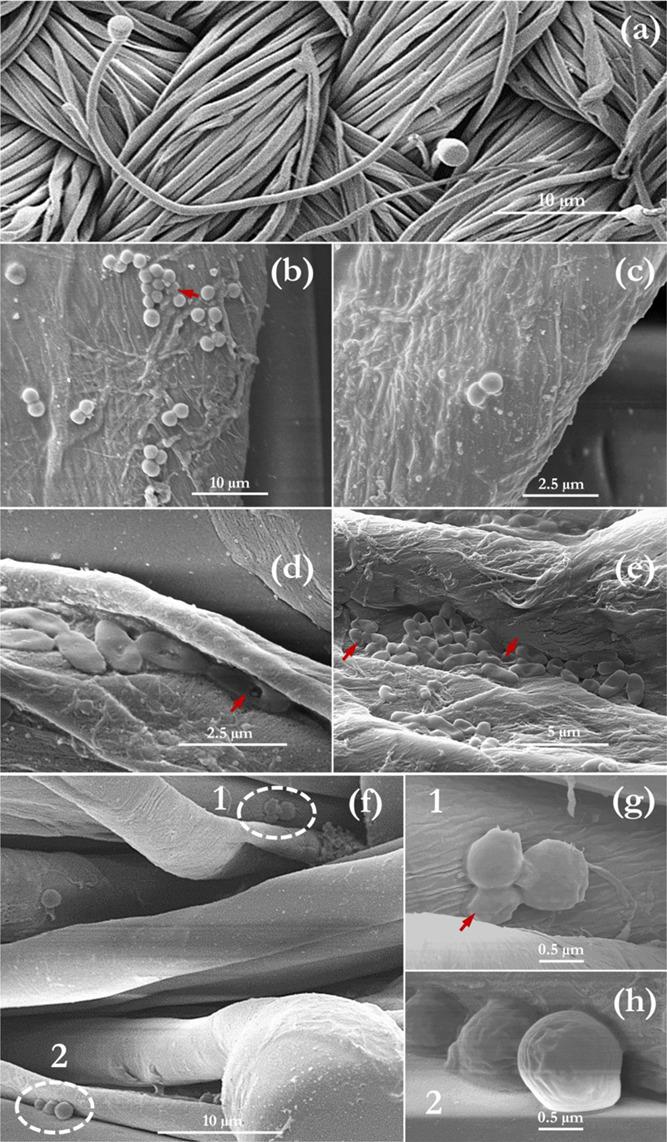
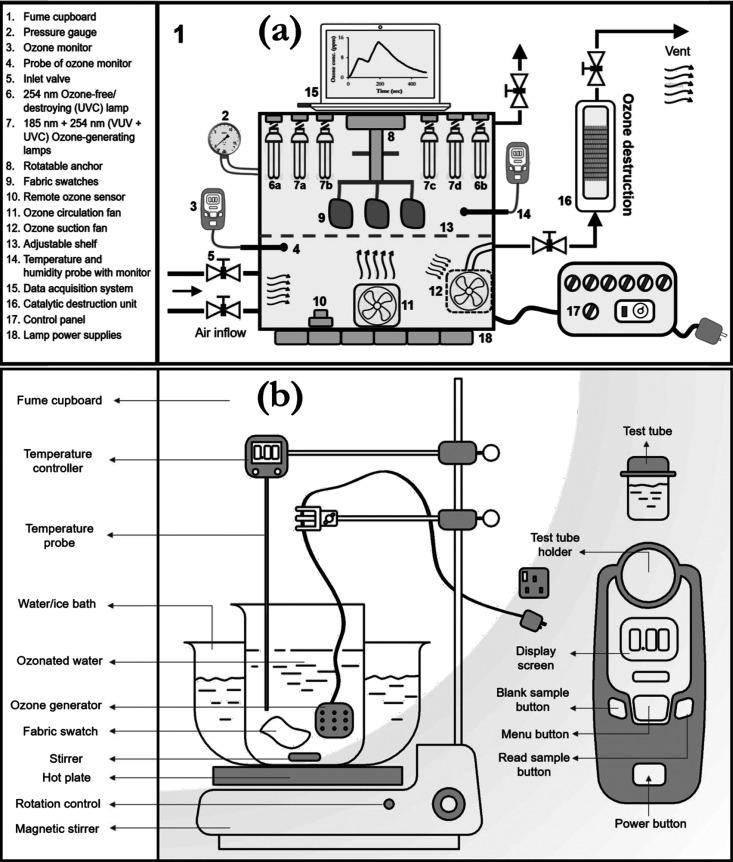
For decades, ozone has been known to have antimicrobial properties when dissolved or generated in water and when utilized in its gaseous form on different substrates. This property (the ability to be used in air and water) makes it versatile and applicable to different industries. Although the medium of ozonation depends on the specific process requirements, some industries have the inherent flexibility of medium selection. Thus, it is important to evaluate the antimicrobial efficacy in both media at similar concentrations, an endeavor hardly reported in the literature. This study provides insights into ozone's efficacy in air and water using two Gram-negative bacteria ( NTCC1290 and NCTC10332), two Gram-positive bacteria ( ATCC25923 and ), and two fungi ( and ). For gaseous ozonation, we utilized a custom-made ozone chamber (equipped with ultraviolet lamps), whereas an electrolysis oxygen radical generator was applied for ozone generation in water. During gaseous ozonation, the contaminated substrates (fabric swatches inoculated with bacterial and fungal suspensions) were suspended in the chamber, whereas the swatches were immersed in ozonated water for aqueous ozone treatment. The stability of ozone nanobubbles and their resulting impact on the aqueous disinfection efficiency were studied via dynamic light scattering measurements. It was observed that ozone is more effective in air than in water on all tested organisms except . The presented findings allow for the adjustment of the treatment conditions (exposure time and concentration) for optimal decontamination, particularly when a certain medium is preferred for ozonation.
几十年来,人们已经知道,臭氧在溶解于水或在水中产生时,以及以气态形式应用于不同底物时,具有抗菌特性。这种特性(能够在空气和水中使用)使其具有通用性,并适用于不同行业。尽管臭氧处理的介质取决于具体的工艺要求,但一些行业在介质选择上具有内在的灵活性。因此,在相似浓度下评估臭氧在两种介质中的抗菌效果很重要,而这一研究在文献中鲜有报道。本研究使用两种革兰氏阴性菌(NTCC1290和NCTC10332)、两种革兰氏阳性菌(ATCC25923和 )以及两种真菌( 和 ),深入探究了臭氧在空气和水中的效果。对于气态臭氧处理,我们使用了一个定制的臭氧室(配备紫外线灯),而在水中产生臭氧则采用电解氧自由基发生器。在气态臭氧处理过程中,受污染的底物(接种了细菌和真菌悬浮液的织物样本)悬挂在臭氧室内,而样本则浸泡在臭氧水中进行水相臭氧处理。通过动态光散射测量研究了臭氧纳米气泡的稳定性及其对水相消毒效率的影响。研究发现,除了 之外,臭氧在空气中对所有受试生物体的效果都比在水中更好。这些研究结果有助于调整处理条件(暴露时间和浓度)以实现最佳去污效果,特别是在臭氧处理更倾向于某种特定介质时。



 Zotero 插件