
使用靶向位点阻滞剂增强精氨酸酶2表达作为调节巨噬细胞表型的一种策略。
Enhancing arginase 2 expression using target site blockers as a strategy to modulate macrophage phenotype.
作者信息
De Santi Chiara, Nally Frances K, Afzal Remsha, Duffy Conor P, Fitzsimons Stephen, Annett Stephanie L, Robson Tracy, Dowling Jennifer K, Cryan Sally-Ann, McCoy Claire E
机构信息
School of Pharmacy and Biomolecular Sciences, Royal College of Surgeons in Ireland, D02 YN77 Dublin, Ireland.
FutureNeuro SFI Research Centre, Royal College of Surgeons in Ireland, D02 YN77 Dublin, Ireland.
出版信息
Mol Ther Nucleic Acids. 2022 Aug 4;29:643-655. doi: 10.1016/j.omtn.2022.08.004. eCollection 2022 Sep 13.
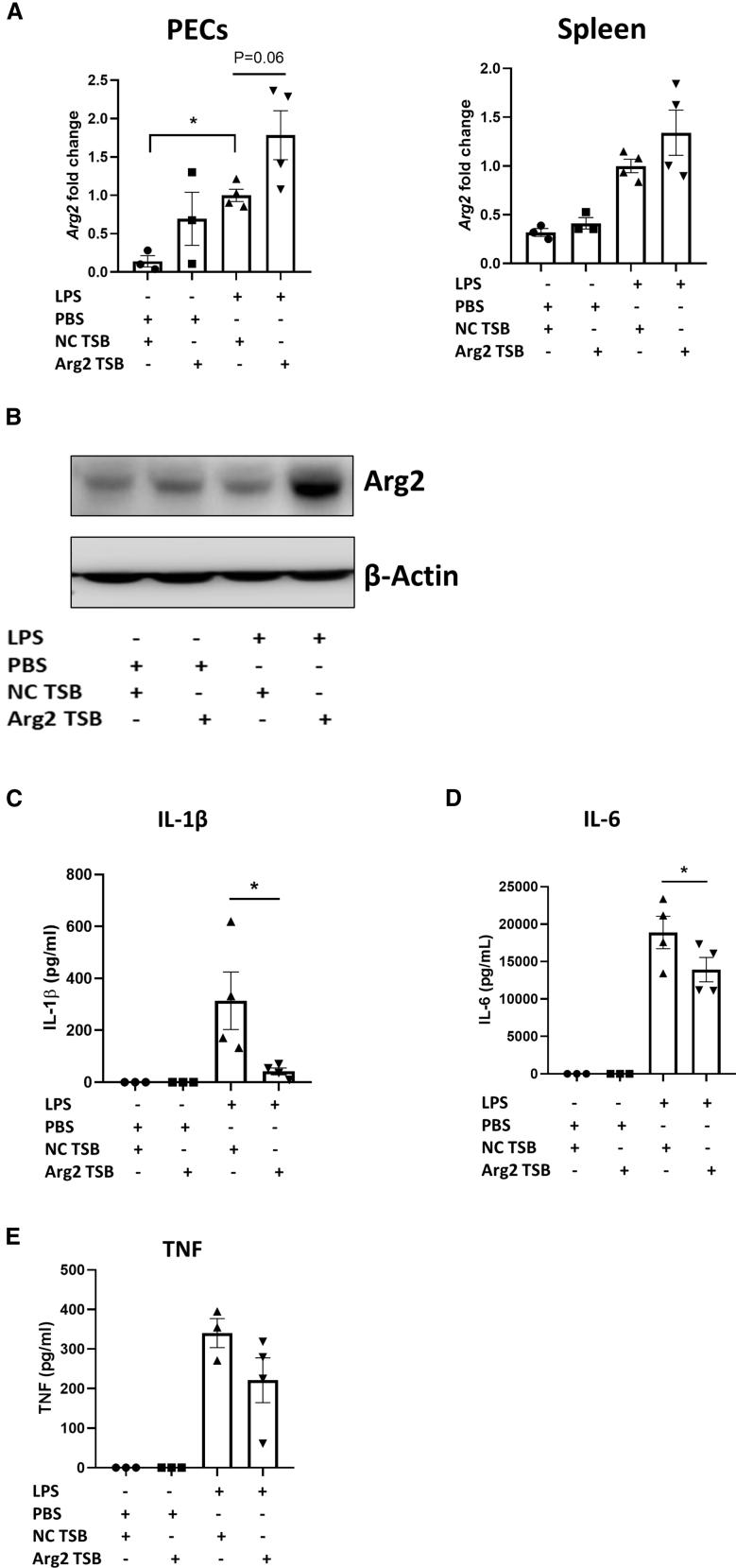
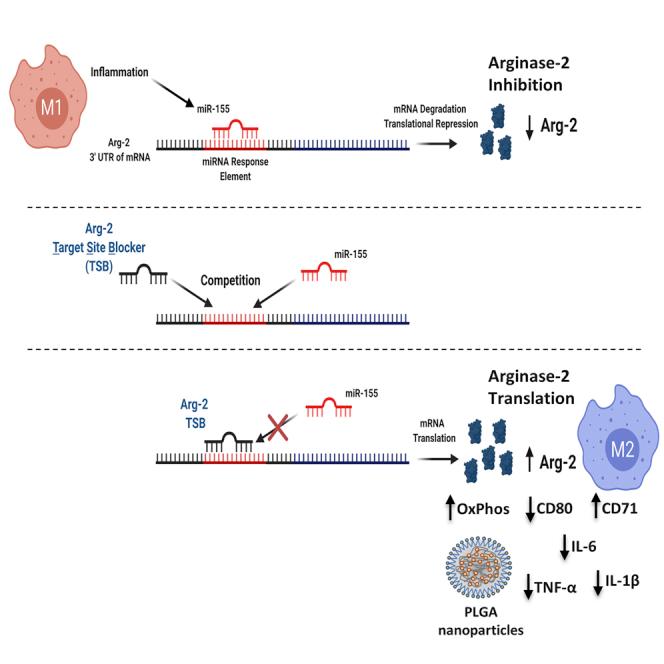
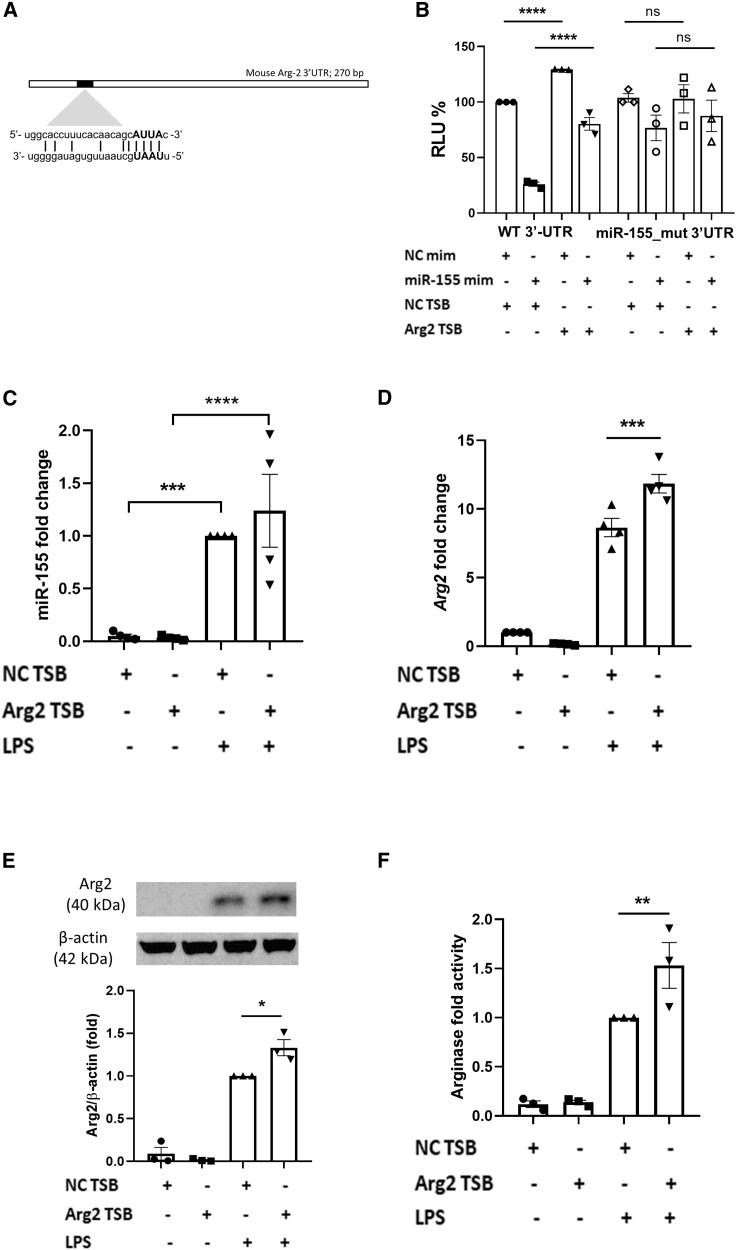
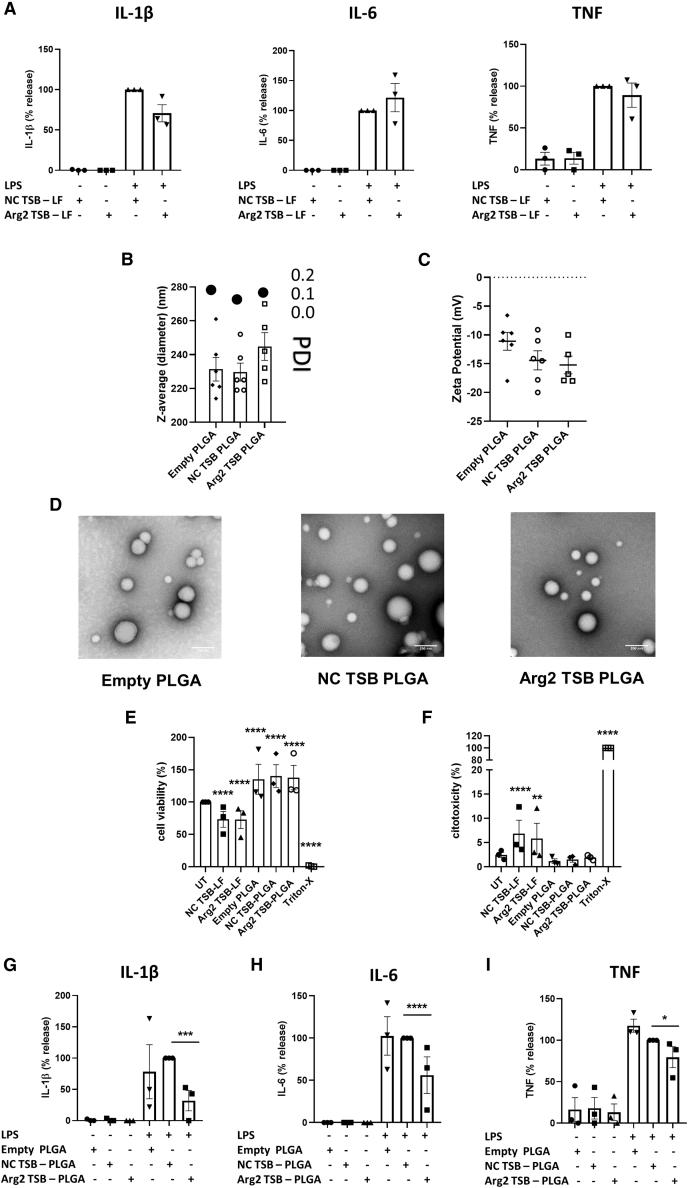
Macrophages are plastic cells playing a crucial role in innate immunity. While fundamental in responding to infections, when persistently maintained in a pro-inflammatory state they can initiate and sustain inflammatory diseases. Therefore, a strategy that reprograms pro-inflammatory macrophages toward an anti-inflammatory phenotype could hold therapeutic potential in that context. We have recently shown that arginase 2 (Arg2), a mitochondrial enzyme involved in arginine metabolism, promotes the resolution of inflammation in macrophages and it is targeted by miR-155. Here, we designed and tested a target site blocker (TSB) that specifically interferes and blocks the interaction between miR-155 and mRNA, leading to Arg2 increased expression and activity. In bone marrow-derived macrophages transfected with Arg2 TSB (in the presence or absence of the pro-inflammatory stimulus LPS), we observed an overall shift of the polarization status of macrophages toward an anti-inflammatory phenotype, as shown by significant changes in surface markers (CD80 and CD71), metabolic parameters (mitochondrial oxidative phosphorylation) and cytokines secretion (IL-1β, IL-6, and TNF). Moreover, in an model of LPS-induced acute inflammation, intraperitoneal administration of Arg2 TSB led to an overall decrease in systemic levels of pro-inflammatory cytokines. Overall, this proof-of-concept strategy represent a promising approach to modulating macrophage phenotype.
巨噬细胞是可塑性细胞,在固有免疫中发挥关键作用。虽然在应对感染方面至关重要,但当它们持续维持在促炎状态时,会引发并维持炎症性疾病。因此,一种将促炎巨噬细胞重编程为抗炎表型的策略在这种情况下可能具有治疗潜力。我们最近发现,精氨酸酶2(Arg2)是一种参与精氨酸代谢的线粒体酶,可促进巨噬细胞炎症的消退,且它是miR-155的作用靶点。在此,我们设计并测试了一种靶点阻断剂(TSB),它能特异性干扰并阻断miR-155与mRNA之间的相互作用,从而导致Arg2表达和活性增加。在用Arg2 TSB转染的骨髓来源巨噬细胞中(无论是否存在促炎刺激物脂多糖),我们观察到巨噬细胞的极化状态总体上向抗炎表型转变,这表现为表面标志物(CD80和CD71)、代谢参数(线粒体氧化磷酸化)和细胞因子分泌(IL-1β、IL-6和TNF)的显著变化。此外,在脂多糖诱导的急性炎症模型中腹腔注射Arg2 TSB导致促炎细胞因子的全身水平总体下降。总体而言,这种概念验证策略是一种调节巨噬细胞表型的有前景的方法。

 Zotero 插件