
神经炎症的正常化:治疗慢性疼痛中持续性疼痛及记忆/情绪缺陷的新策略。
Normalization of Neuroinflammation: A New Strategy for Treatment of Persistent Pain and Memory/Emotional Deficits in Chronic Pain.
作者信息
Liu Xian-Guo
机构信息
Pain Research Center and Department of Physiology, Zhongshan School of Medicine of Sun Yat-sen University, Guangzhou, People's Republic of China.
出版信息
J Inflamm Res. 2022 Sep 9;15:5201-5233. doi: 10.2147/JIR.S379093. eCollection 2022.
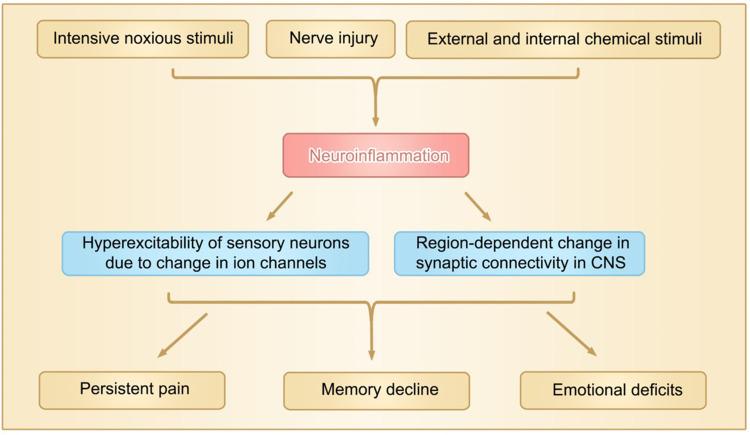
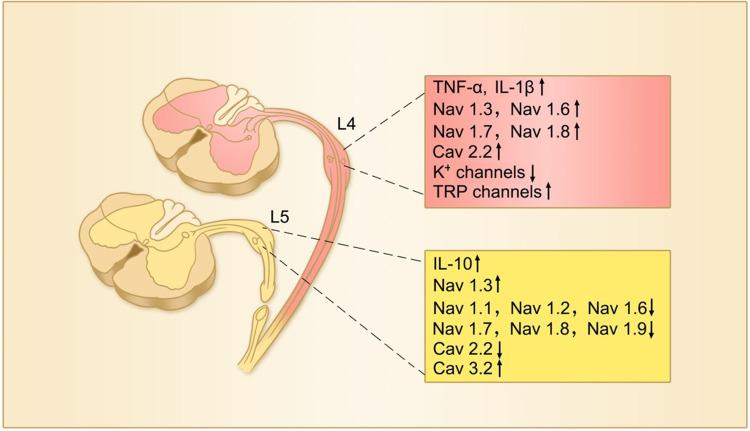
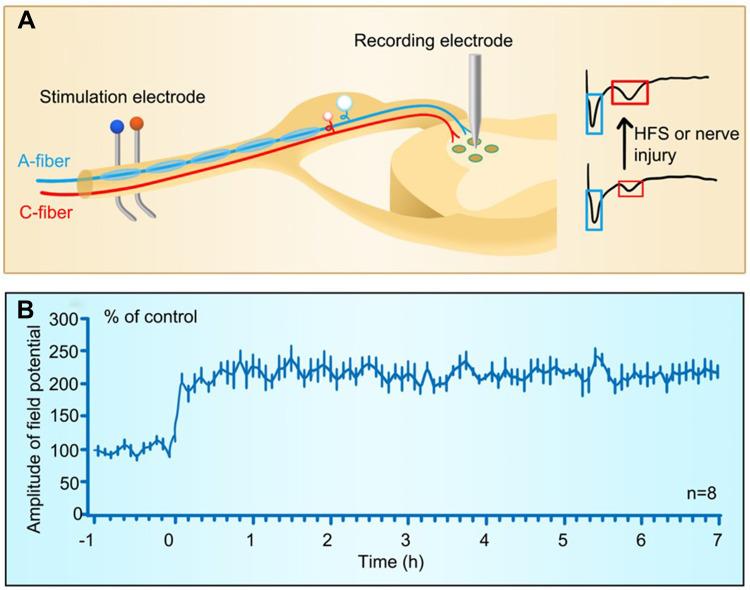
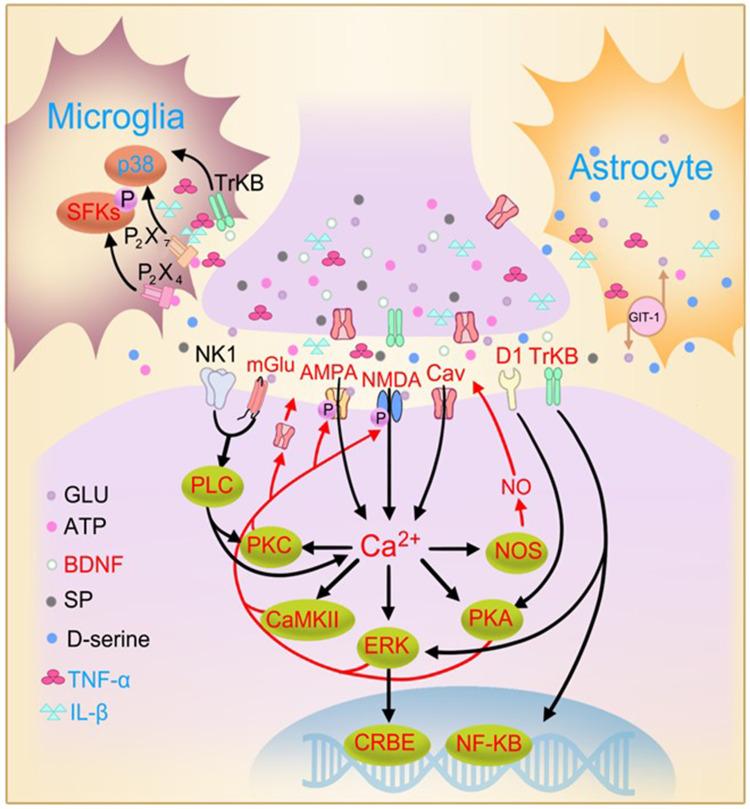
Chronic pain, which affects around 1/3 of the world population and is often comorbid with memory deficit and mood depression, is a leading source of suffering and disability. Studies in past decades have shown that hyperexcitability of primary sensory neurons resulting from abnormal expression of ion channels and central sensitization mediated pathological synaptic plasticity, such as long-term potentiation in spinal dorsal horn, underlie the persistent pain. The memory/emotional deficits are associated with impaired synaptic connectivity in hippocampus. Dysregulation of numerous endogenous proteins including receptors and intracellular signaling molecules is involved in the pathological processes. However, increasing knowledge contributes little to clinical treatment. Emerging evidence has demonstrated that the neuroinflammation, characterized by overproduction of pro-inflammatory cytokines and glial activation, is reliably detected in humans and animals with chronic pain, and is sufficient to induce persistent pain and memory/emotional deficits. The abnormal expression of ion channels and pathological synaptic plasticity in spinal dorsal horn and in hippocampus are resulting from neuroinflammation. The neuroinflammation is initiated and maintained by the interactions of circulating monocytes, glial cells and neurons. Obviously, unlike infectious diseases and cancer, which are caused by pathogens or malignant cells, chronic pain is resulting from alterations of cells and molecules which have numerous physiological functions. Therefore, normalization (counterbalance) but not simple inhibition of the neuroinflammation is the right strategy for treating neuronal disorders. Currently, no such agent is available in clinic. While experimental studies have demonstrated that intracellular Mg deficiency is a common feature of chronic pain in animal models and supplement Mg are capable of normalizing the neuroinflammation, activation of upregulated proteins that promote recovery, such as translocator protein (18k Da) or liver X receptors, has a similar effect. In this article, relevant experimental and clinical evidence is reviewed and discussed.
慢性疼痛影响着全球约三分之一的人口,且常与记忆缺陷和情绪抑郁并发,是痛苦和残疾的主要根源。过去几十年的研究表明,离子通道异常表达导致的初级感觉神经元兴奋性过高以及中枢敏化介导的病理性突触可塑性,如脊髓背角的长时程增强,是持续性疼痛的基础。记忆/情绪缺陷与海马体中突触连接受损有关。包括受体和细胞内信号分子在内的众多内源性蛋白质的失调参与了病理过程。然而,知识的增加对临床治疗贡献不大。新出现的证据表明,以促炎细胞因子过度产生和胶质细胞激活为特征的神经炎症,在慢性疼痛的人类和动物中均可被可靠检测到,并且足以诱发持续性疼痛和记忆/情绪缺陷。脊髓背角和海马体中离子通道的异常表达以及病理性突触可塑性是由神经炎症引起的。神经炎症由循环单核细胞、胶质细胞和神经元之间的相互作用引发并维持。显然,与由病原体或恶性细胞引起的传染病和癌症不同,慢性疼痛是由具有多种生理功能的细胞和分子改变所致。因此,治疗神经元疾病的正确策略是使神经炎症正常化(平衡)而非简单抑制。目前,临床上尚无此类药物。虽然实验研究表明细胞内镁缺乏是动物模型中慢性疼痛的常见特征,补充镁能够使神经炎症正常化,但激活上调的促进恢复的蛋白质,如转位蛋白(18 kDa)或肝脏X受体,也有类似效果。本文对相关实验和临床证据进行了综述和讨论。

 Zotero 插件