
哌喹耐药 PfCRT 突变在疟原虫无性血阶段对药物转运、血红蛋白代谢和寄生虫生理产生不同影响。
Piperaquine-resistant PfCRT mutations differentially impact drug transport, hemoglobin catabolism and parasite physiology in Plasmodium falciparum asexual blood stages.
机构信息
Department of Microbiology and Immunology, Columbia University Irving Medical Center, New York, New York, United States of America.
Center for Malaria Therapeutics and Antimicrobial Resistance, Division of Infectious Diseases, Department of Medicine, Columbia University Irving Medical Center, New York, New York, United States of America.
出版信息
PLoS Pathog. 2022 Oct 28;18(10):e1010926. doi: 10.1371/journal.ppat.1010926. eCollection 2022 Oct.
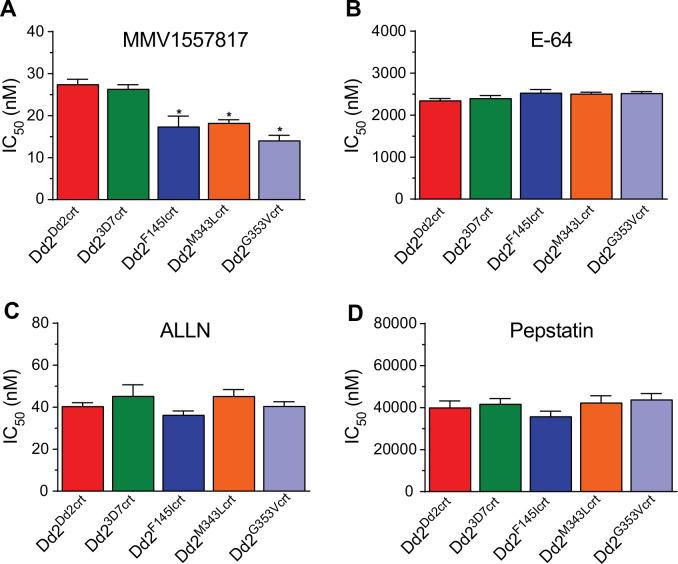
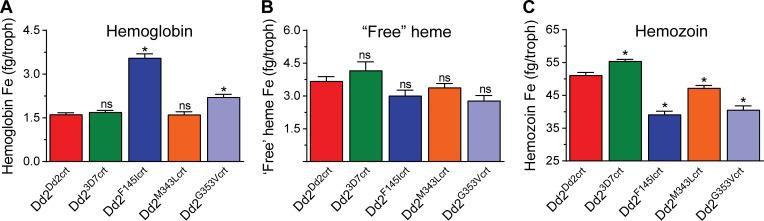
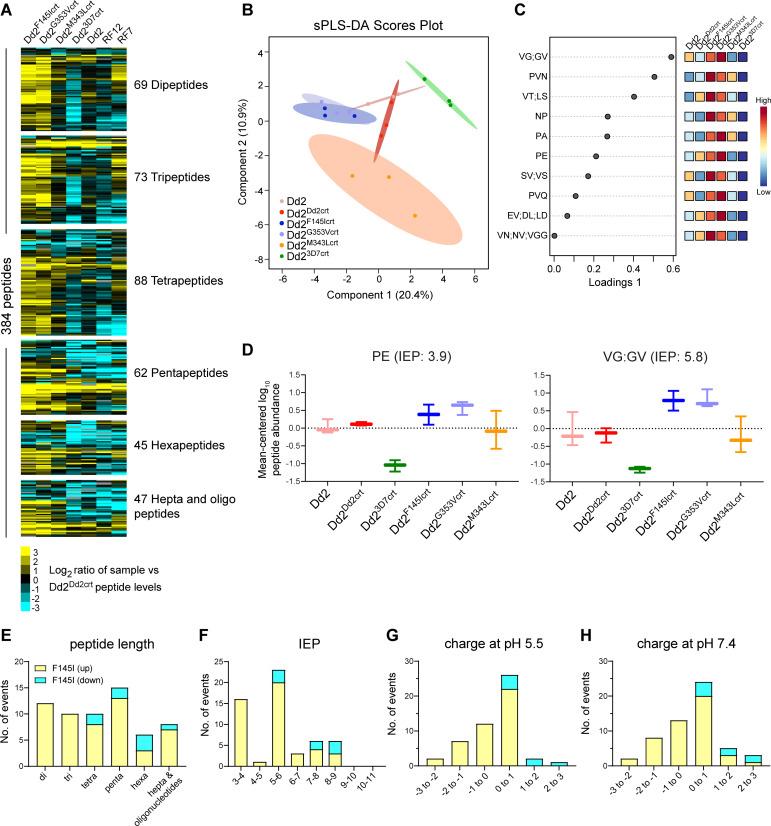
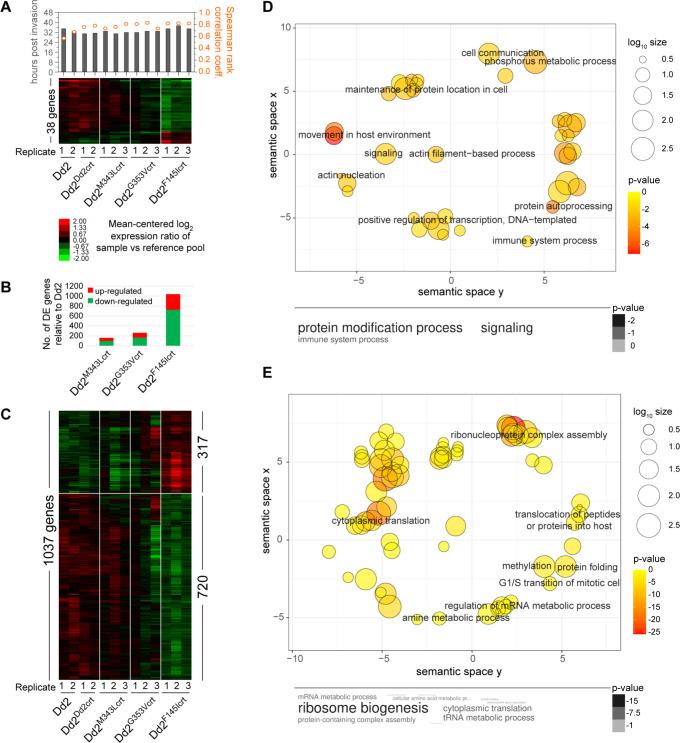
The emergence of Plasmodium falciparum parasite resistance to dihydroartemisinin + piperaquine (PPQ) in Southeast Asia threatens plans to increase the global use of this first-line antimalarial combination. High-level PPQ resistance appears to be mediated primarily by novel mutations in the P. falciparum chloroquine resistance transporter (PfCRT), which enhance parasite survival at high PPQ concentrations in vitro and increase the risk of dihydroartemisinin + PPQ treatment failure in patients. Using isogenic Dd2 parasites expressing contemporary pfcrt alleles with differential in vitro PPQ susceptibilities, we herein characterize the molecular and physiological adaptations that define PPQ resistance in vitro. Using drug uptake and cellular heme fractionation assays we report that the F145I, M343L, and G353V PfCRT mutations differentially impact PPQ and chloroquine efflux. These mutations also modulate proteolytic degradation of host hemoglobin and the chemical inactivation of reactive heme species. Peptidomic analyses reveal significantly higher accumulation of putative hemoglobin-derived peptides in the PPQ-resistant mutant PfCRT isoforms compared to parental PPQ-sensitive Dd2. Joint transcriptomic and metabolomic profiling of late trophozoites from PPQ-resistant or -sensitive isogenic lines reveals differential expression of genes involved in protein translation and cellular metabolism. PPQ-resistant parasites also show increased susceptibility to an inhibitor of the P. falciparum M17 aminopeptidase that operates on short globin-derived peptides. These results reveal unique physiological changes caused by the gain of PPQ resistance and highlight the potential therapeutic value of targeting peptide metabolism in P. falciparum.
疟原虫对青蒿素-哌喹(PPQ)的耐药性在东南亚的出现,威胁到增加全球使用这种一线抗疟组合的计划。高水平的 PPQ 耐药性似乎主要是由疟原虫氯喹耐药转运蛋白(PfCRT)中的新型突变介导的,这些突变增强了寄生虫在体外高浓度 PPQ 下的生存能力,并增加了青蒿素-哌喹治疗失败的风险。使用表达当代具有不同体外 PPQ 敏感性的 pfcrt 等位基因的同基因 Dd2 寄生虫,我们在此描述了定义体外 PPQ 耐药性的分子和生理适应性。通过药物摄取和细胞血红素分离测定,我们报告 F145I、M343L 和 G353V PfCRT 突变对 PPQ 和氯喹外排有不同的影响。这些突变还调节宿主血红蛋白的蛋白酶降解和反应性血红素物质的化学失活。肽组学分析显示,与亲本 PPQ 敏感的 Dd2 相比,PPQ 耐药突变 PfCRT 同工型中,推测的血红蛋白衍生肽的积累显著增加。对来自 PPQ 耐药或敏感同基因系的晚期滋养体进行联合转录组和代谢组学分析,揭示了参与蛋白质翻译和细胞代谢的基因的差异表达。PPQ 耐药寄生虫对作用于短球蛋白衍生肽的 PfCRT M17 氨肽酶抑制剂的敏感性也增加。这些结果揭示了获得 PPQ 耐药性引起的独特生理变化,并强调了靶向疟原虫肽代谢的潜在治疗价值。


 Zotero 插件