
芽孢杆菌诱导小麦生长和耐旱性的挥发性化合物。
Volatile compounds of Bacillus pseudomycoides induce growth and drought tolerance in wheat (Triticum aestivum L.).
机构信息
Microbiology Laboratory, Department of Genetic Engineering and Biotechnology, University of Rajshahi, Rajshahi, 6205, Bangladesh.
Bangladesh Reference Institute for Chemical Measurements (BRiCM), Dhaka, Bangladesh.
出版信息
Sci Rep. 2022 Nov 9;12(1):19137. doi: 10.1038/s41598-022-22354-2.
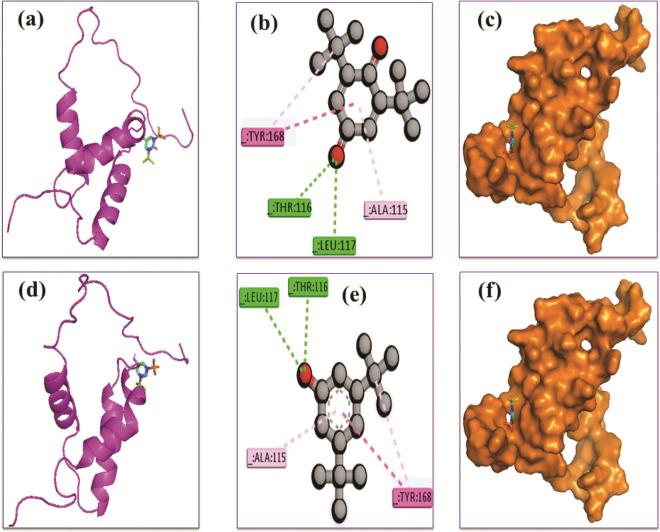
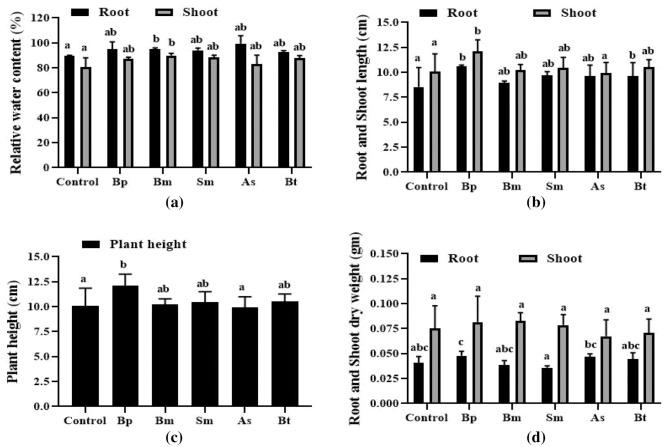
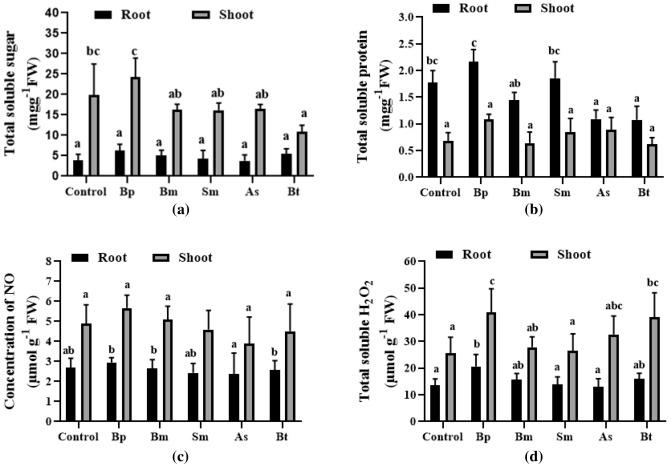
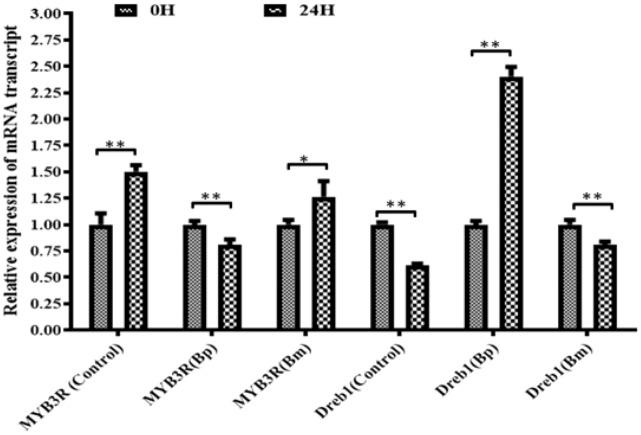
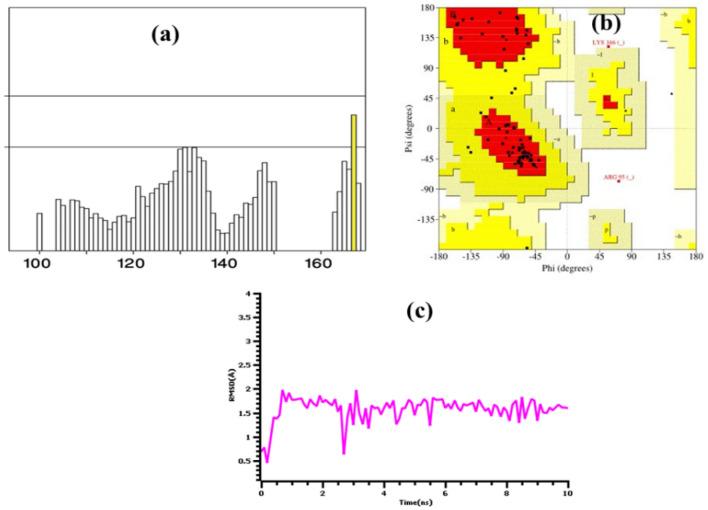
The plant growth-boosting biofilm-forming bacteria Bacillus pseudomycoides is able to promote growth and drought stress tolerance in wheat by suppressing the MYB gene, which synthesizes Myb protein (TaMpc1-D4) through secreted volatile compounds. In the present study, Triticum aestivum seeds were inoculated with five distinct bacterial strains. The growth, germination rate, root-shoot length, RWC, and chlorophyll content of seedlings were investigated. Furthermore, the levels of soluble sugars, proteins, HO, NO, cell death, and antioxidant enzymes (CAT, SOD, POD, and APX) were observed throughout the growth stage. All of the results showed that B. pseudomycoides had a substantially higher ability to form biofilm and promote these traits than the other strains. In terms of molecular gene expression, B. pseudomycoides inoculation strongly expressed the Dreb1 gene by silencing the expression of MYB gene through secreted volatile compounds. For identifying the specific volatile compound that silenced the MYB gene, molecular docking with Myb protein was performed. Out of 45 volatile compounds found, 2,6-ditert-butylcyclohexa-2,5-diene-1,4-dione and 3,5-ditert-butylphenol had a binding free energy of - 6.2 and - 6.5, Kcal/mol, respectively, which predicted that these compounds could suppress this protein's expression. In molecular dynamics simulations, the RMSD, SASA, Rg, RMSF, and hydrogen bonding values found assured the docked complexes' binding stability. These findings suggest that these targeted compounds may be suppressing Myb protein expression as well as the expression of Dreb1 and other drought response genes in wheat. More research (field trial) into plant growth and drought stress is needed to support the findings of this study.
促生生物膜形成的细菌短小芽孢杆菌能够通过分泌挥发性化合物抑制 MYB 基因(合成 Myb 蛋白(TaMpc1-D4))来促进小麦的生长和耐旱性。在本研究中,用五种不同的细菌菌株接种小麦种子。研究了幼苗的生长、发芽率、根-茎长、RWC 和叶绿素含量。此外,在整个生长阶段还观察了可溶性糖、蛋白质、HO、NO、细胞死亡和抗氧化酶(CAT、SOD、POD 和 APX)的水平。所有结果都表明,与其他菌株相比,短小芽孢杆菌形成生物膜和促进这些特性的能力要强得多。在分子基因表达方面,通过分泌的挥发性化合物沉默 MYB 基因,短小芽孢杆菌接种强烈表达了 Dreb1 基因。为了鉴定沉默 MYB 基因的特定挥发性化合物,进行了与 Myb 蛋白的分子对接。在发现的 45 种挥发性化合物中,2,6-二叔丁基环己烷-2,5-二烯-1,4-二酮和 3,5-二叔丁基苯酚的结合自由能分别为-6.2 和-6.5 Kcal/mol,这表明这些化合物可以抑制该蛋白的表达。在分子动力学模拟中,RMSD、SASA、Rg、RMSF 和氢键值发现保证了对接复合物的结合稳定性。这些发现表明,这些靶向化合物可能抑制 Myb 蛋白表达以及小麦中 Dreb1 和其他干旱响应基因的表达。需要进一步研究(田间试验)植物生长和干旱胁迫以支持本研究的结果。

 Zotero 插件