
神经创伤后小胶质细胞介导的氧化应激的治疗靶点
Therapeutic targeting of microglia mediated oxidative stress after neurotrauma.
作者信息
Smith Austin N, Shaughness Michael, Collier Sean, Hopkins Deanna, Byrnes Kimberly R
机构信息
Neuroscience Program, Uniformed Services University of the Health Sciences, Bethesda, MD, United States.
Henry M. Jackson Foundation for the Advancement of Military Medicine, Inc., Bethesda, MD, United States.
出版信息
Front Med (Lausanne). 2022 Nov 3;9:1034692. doi: 10.3389/fmed.2022.1034692. eCollection 2022.
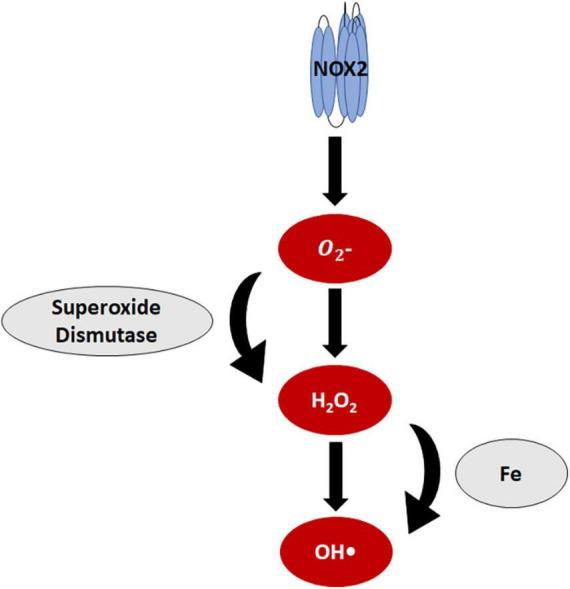
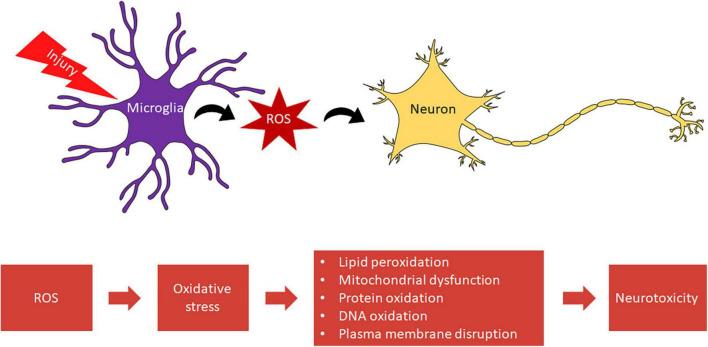
Inflammation is a primary component of the central nervous system injury response. Traumatic brain and spinal cord injury are characterized by a pronounced microglial response to damage, including alterations in microglial morphology and increased production of reactive oxygen species (ROS). The acute activity of microglia may be beneficial to recovery, but continued inflammation and ROS production is deleterious to the health and function of other cells. Microglial nicotinamide adenine dinucleotide phosphate (NADPH) oxidase (NOX), mitochondria, and changes in iron levels are three of the most common sources of ROS. All three play a significant role in post-traumatic brain and spinal cord injury ROS production and the resultant oxidative stress. This review will evaluate the current state of therapeutics used to target these avenues of microglia-mediated oxidative stress after injury and suggest avenues for future research.
炎症是中枢神经系统损伤反应的主要组成部分。创伤性脑损伤和脊髓损伤的特征是小胶质细胞对损伤有明显反应,包括小胶质细胞形态改变和活性氧(ROS)产生增加。小胶质细胞的急性活动可能有利于恢复,但持续的炎症和ROS产生对其他细胞的健康和功能有害。小胶质细胞烟酰胺腺嘌呤二核苷酸磷酸(NADPH)氧化酶(NOX)、线粒体以及铁水平的变化是ROS最常见的三个来源。这三者在创伤后脑损伤和脊髓损伤的ROS产生以及由此产生的氧化应激中都起着重要作用。本综述将评估用于针对损伤后小胶质细胞介导的氧化应激这些途径的治疗方法的现状,并提出未来研究的途径。

 Zotero 插件